
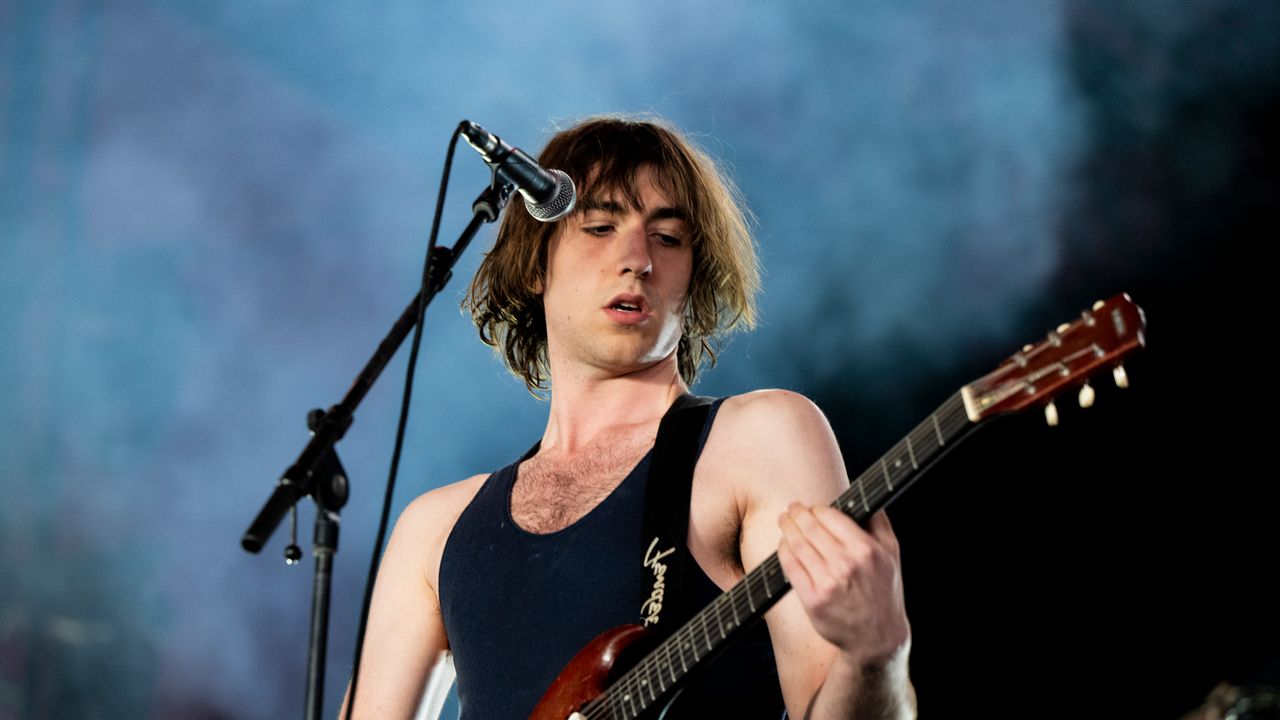
Strategic Pivot from Emerging Act to Headliner
Geese’s announcement of the 2026 North American tour, dubbed the “Getting Killed Again” run, represents a critical strategic inflection point: the transition from an emerging act dependent on festival exposure to an established headliner capable of driving high-yield ticket sales. The tour’s timing, positioned in the fall of 2026 following a 2025 album release and a robust festival season, exemplifies a calculated strategic blueprint designed to maximize market capitalization. This sequencing—using the festivals (Coachella, Lollapalooza, etc.) as high-visibility validation platforms, followed by a headlining tour—converts momentum generated from recent releases and live performances into significant revenue streams, optimizing the return on investment from previous promotional cycles. The strategy mitigates the risk of a post-album dip in interest by capitalizing on peak cultural resonance.
Venue Scaling and Operational Efficiency
The transition to larger venues fundamentally alters the band’s operational profile and financial dynamics. Securing venues like Forest Hills Stadium in Queens and Hollywood Forever in Los Angeles demonstrates a significant increase in perceived market drawing power and allows for a higher per-show revenue capture. This operational shift requires greater logistical planning and larger production budgets, signifying that the band and its promoters have confidence in its ability to fill larger capacities. The selection of specific cultural benchmark venues like the Ryman Auditorium in Nashville and Roadrunner in Boston further solidifies the band’s reputation among industry stakeholders and expands its regional influence. This move from club-level performances to large-scale amphitheaters reflects a successful shift in audience demand and pricing power, essential for long-term financial viability in the streaming era where live performance is the primary revenue driver.
Competitive Differentiation through Festival Leverage and Crossover Appeal
The band’s robust 2025 festival schedule—including appearances at Coachella, Lollapalooza, Bonnaroo, and Governors Ball—serves as a critical competitive lever for market consolidation. These festivals function as high-visibility marketing platforms that validate the band’s status among peers and create a feedback loop where festival success drives headlining tour demand. The media strategy surrounding these appearances, particularly the calculated move to perform an “irreverent” cover of Justin Bieber’s “Baby” at Coachella, demonstrates a sophisticated understanding of modern media dynamics. This tactic generates crossover appeal beyond the core rock audience, differentiating Geese from competitors in a saturated market and securing sustained media coverage necessary to expand their reach and solidify brand identity.
Financial Diversification and Capital Movement
The financial architecture of the tour leverages pre-sale data to implement dynamic pricing strategies and manage demand, ensuring maximum revenue capture. The successful release of frontman Cameron Winter’s 2024 solo project, “Heavy Metal,” prior to the band’s 2025 album release, suggests a deliberate strategy of revenue diversification. This approach strengthens overall brand equity by creating multiple entry points for new fans and mitigating risk by providing alternative revenue streams. The success of both the solo project and the subsequent band album allows promoters to book larger venues confidently, translating into higher ticket prices and a significant capital injection into the band’s ecosystem. This financial stability increases negotiation leverage with labels and publishers, providing a pathway to long-term creative and financial independence.
Long-Term Institutional Strategy and Ecosystem Impact
The transition from a domestic to a global touring strategy, with a North American run following a European jaunt, maximizes market penetration by capitalizing on regional peak touring seasons. The success of this tour serves as a key performance indicator (KPI) for investors and industry partners, demonstrating the band’s ability to generate significant returns and justify continued investment. The “Getting Killed Again” tour is more than a promotional run; it is a critical component of a larger institutional strategy aimed at securing Geese’s position as a sustainable, major player in the contemporary music landscape by consolidating market share, diversifying revenue streams, and maintaining narrative control over media representation. The tour sets a benchmark for other emerging acts seeking a similar upward trajectory.

Photo by Elsemargriet on Pixabay.