The Doctrine of Vicarious Liability in Layover Management
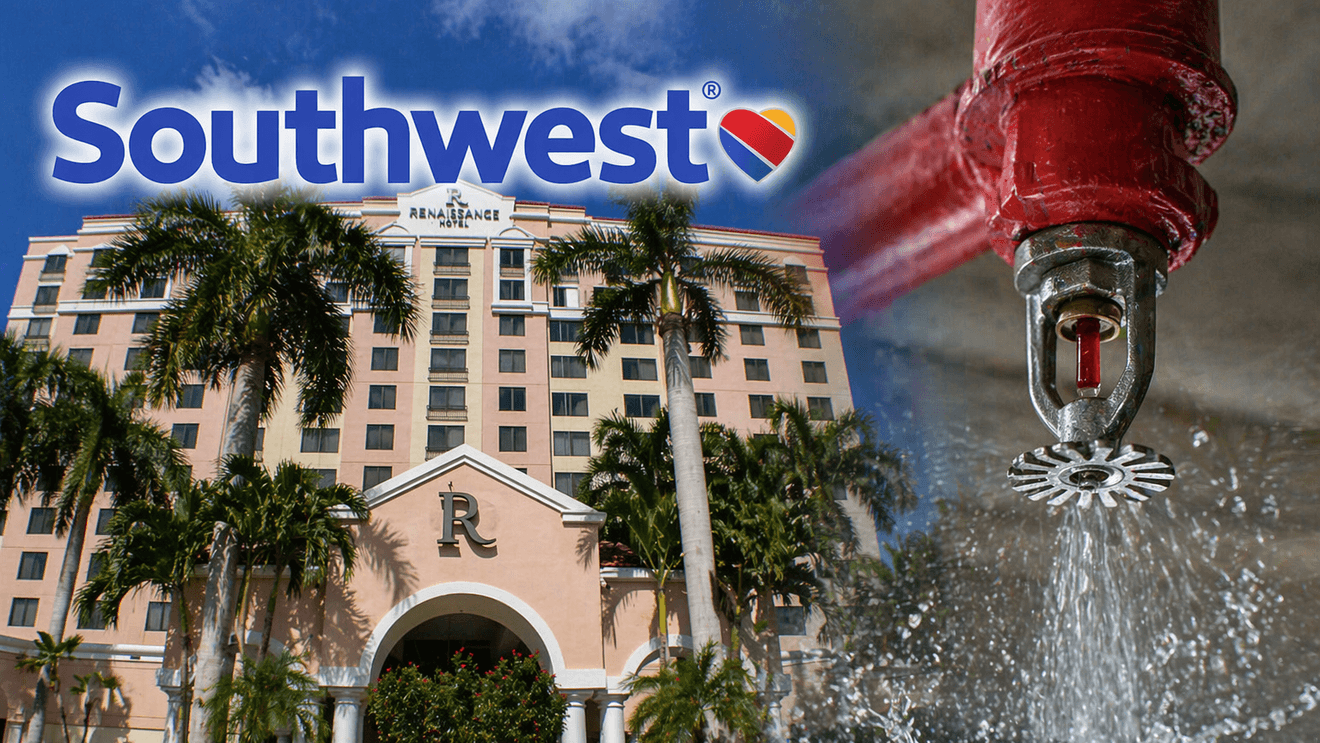
A federal lawsuit filed in April 2026 by 17th Street Hotel LLC has elevated the discourse on airline operational risk, seeking $216,832.58 from Southwest Airlines. The litigation follows a February 2025 incident at the Renaissance Hotel Fort Lauderdale, where a flight attendant’s alleged interference with a fire sprinkler system triggered multi-floor flooding. This case examines the boundaries of vicarious liability, specifically whether a carrier remains financially responsible for employee conduct during work-mandated rest periods in third-party facilities.
By naming the airline as a primary defendant, the plaintiff asserts that the employer-employee nexus extends to the logistics of the layover environment. The timing of the suit—more than a year after the event—indicates a failure in private subrogation or settlement efforts between Southwest’s risk management and the hotel’s insurers, forcing a judicial determination of corporate accountability.
Forensic Validation and the Mechanics of Negligence
The plaintiff’s argument hinges on forensic evidence indicating the sprinkler discharge resulted from manual tampering rather than mechanical failure. The presence of clear warning labels on the equipment elevates the incident from an accidental discharge to a breach of the standard duty of care. For Southwest, the defense must now address why a safety-trained professional allegedly engaged in high-risk interference with life-safety infrastructure.
The physical consequences of high-pressure water discharge in commercial hospitality are systemic. The suit alleges that the water migration bypassed immediate containment, infiltrating electrical conduits and ventilation systems across several floors. This necessitated the immediate suspension of operations in affected wings, turning a localized incident into a significant structural and operational crisis.
Economic Quantification: RevPAR and Loss of Use
The $216,832.58 claim represents a sophisticated accounting of economic disruption. In the high-compression Fort Lauderdale market during February, the loss of inventory directly impacts Revenue Per Available Room (RevPAR). The demand covers physical remediation—such as industrial drying and mold mitigation—alongside “loss of use” and “lost profits,” accounting for the ancillary revenue lost from displaced guests who would have utilized parking, dining, and other services.
This financial architecture tests the limits of Southwest’s liability insurance. While physical repairs are often straightforward, calculating the long-term impact on brand reputation and seasonal profitability requires a granular analysis of the hotel’s booking rotation and occupancy forecasting, which the plaintiff is now prepared to litigate in federal court.
Strategic Implications for Airline-Hospitality Partnerships
This lawsuit may trigger a hardening of terms in the Master Service Agreements (MSAs) between airlines and hotel chains. Hospitality providers may shift toward demanding broader indemnity clauses or increased security deposits to mitigate the risks associated with housing massive, mobile workforces. For Southwest, the incident introduces reputational friction at a time of significant business model transition, highlighting the hidden costs of human-centric operations.
As the case moves through discovery, it will serve as a bellwether for the aviation industry. A judgment against Southwest would reinforce the precedent that the “workplace” for flight crews encompasses any facility where they are stationed by their employer. This necessitates a recalibration of crew training protocols, focusing on behavioral expectations and liability awareness during the hours spent outside the aircraft.