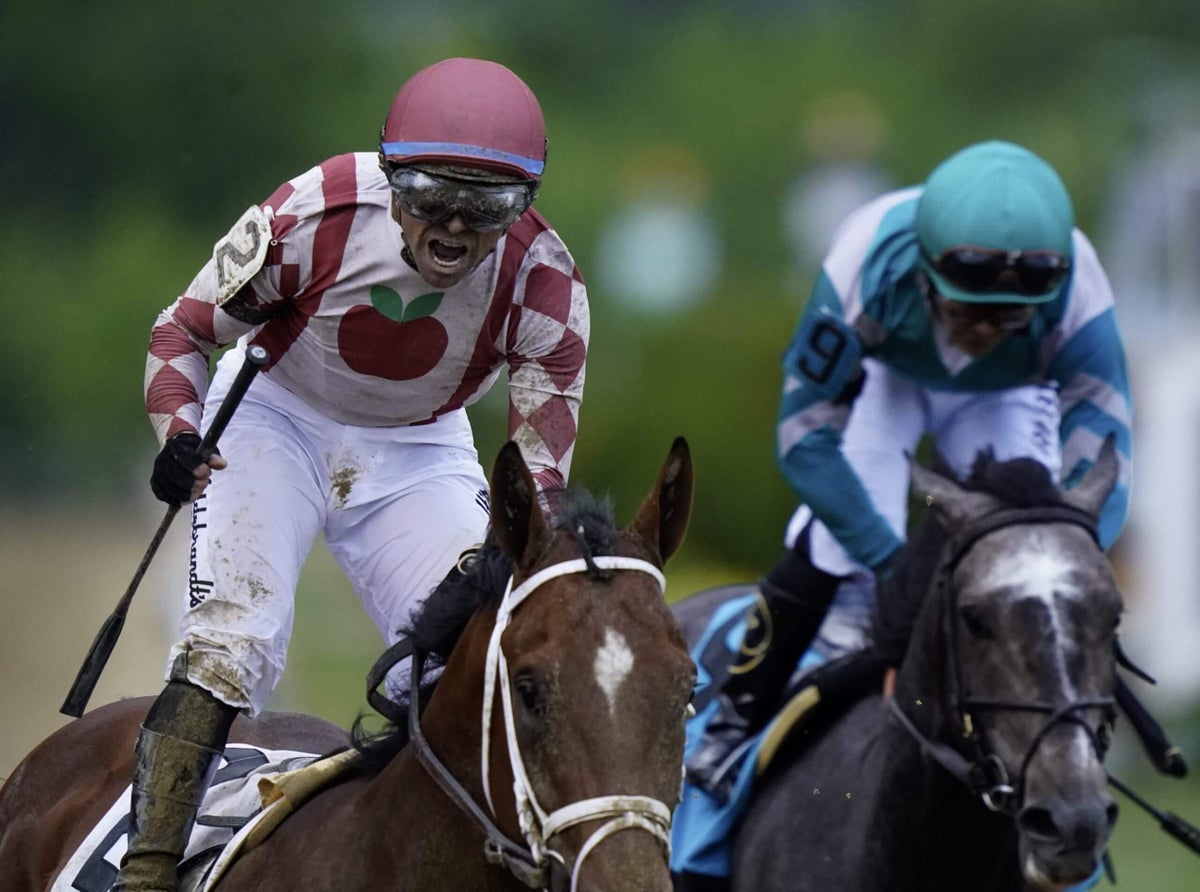
Churchill Downs Consolidates Triple Crown Control with $85 Million Preakness IP Acquisition
Churchill Downs Incorporated (CDI) has acquired the intellectual property rights, including all trademarks and associated rights, for the Preakness Stakes and the Black-Eyed Susan Stakes from 1/ST Maryland LLC. The $85 million transaction, announced Tuesday, centralizes the ownership of the IP for the first two legs of horse racing’s Triple Crown under CDI, a significant consolidation of premier racing assets.
Under the agreement, CDI will license the necessary IP rights back to the State of Maryland for an annual fee, ensuring the continued operation of both races. This structure allows CDI to control the foundational branding and rights while maintaining continuity for the historic events. CDI CEO Bill Carstanjen highlighted the acquisition as adding “one of the most iconic brands in American sports” to their portfolio, aligning with their strategy of investing in top-tier Thoroughbred racing assets.
This acquisition follows a 2024 agreement where the State of Maryland purchased Pimlico Race Course itself from 1/ST Racing, with 1/ST retaining the IP rights to the Preakness and Black-Eyed Susan Stakes. The current deal effectively transfers these critical intangible assets, signaling a strategic shift in their management and capitalization.
Strategic Rationale: Dominance and Triple Crown Narrative
The acquisition of the Preakness Stakes’ IP by Churchill Downs Inc. is a strategic move to deepen its control over pivotal assets within Thoroughbred racing. By consolidating the IP ownership of the Kentucky Derby with that of the Preakness, CDI is positioned to exert greater influence over the Triple Crown series’ narrative and commercial development. This is crucial for the series’ appeal and economic viability in American horse racing.
This consolidation enhances CDI’s leverage in negotiations with media partners, sponsors, and potentially the organizers of the Belmont Stakes. A unified approach to Triple Crown branding and marketing can foster more lucrative, standardized commercial agreements, potentially increasing overall revenue streams for the series.
The competitive landscape is significantly altered as core brand equity is now centralized. This could enable a more cohesive promotional strategy for the Triple Crown, boosting its profile and attracting broader audiences and investment. It also potentially limits other racing entities’ ability to independently leverage the Preakness brand, solidifying CDI’s dominant position in major racing events.
Financial and Operational Implications
The $85 million valuation reflects the enduring commercial and cultural significance of the Preakness and Black-Eyed Susan Stakes. For CDI, this investment aligns with its strategy of acquiring and developing premier Thoroughbred racing assets with long-term growth potential, anticipating future returns to justify the capital outlay.
The licensing agreement with Maryland provides CDI with a recurring revenue stream while ensuring the races continue. This model of acquiring IP and then licensing operational rights back to a governmental entity demonstrates sophisticated financial structuring, aiming to monetize intangible assets while preserving event continuity and public access.
The transaction, expected to finalize after the 2026 Preakness Stakes, allows for a smooth transition. The concurrent renovation of Pimlico Race Course, the traditional home of the Preakness, suggests a long-term vision for the race’s future, potentially including enhanced facilities and fan experiences, supported by CDI’s IP ownership.
Stakeholder Impact and Industry Dynamics
For the State of Maryland, the arrangement secures the continuation of a historic sporting event. The annual IP rights fee from CDI offers a new revenue stream, complementing the state’s prior acquisition of Pimlico Race Course and its commitment to local economic impact.
1/ST Racing, having divested the IP rights, can reallocate capital and focus. Their previous arrangement involved annual payments and a share of wagering revenue, suggesting a strategic shift towards an asset-light model or resource reallocation.
The broader horse racing industry will observe how CDI leverages its consolidated IP ownership. A more unified marketing strategy could benefit the sport by increasing visibility and appeal. However, it also centralizes significant power and decision-making authority within one corporation, potentially influencing future industry-wide initiatives and governance.
Long-Term Vision: Redevelopment and Brand Elevation
CDI’s stated intention to “support efforts to fully realize the potential of a redeveloped Pimlico and Preakness Stakes” signals a forward-looking strategy beyond asset acquisition. This suggests a commitment to investing in the race’s future through infrastructure improvements, enhanced fan experiences, and innovative marketing to elevate its status in the sports and entertainment landscape.
The redevelopment of Pimlico, coupled with CDI’s Preakness IP ownership, represents a strategic effort to modernize and revitalize a historic venue. This approach mirrors trends in sports, where legacy venues are often re-envisioned for mixed-use development, advanced fan engagement technologies, and diversified revenue streams.
Control over the intellectual property positions CDI to dictate terms for future branding, sponsorship, and media rights deals related to the Preakness. This centralized control is vital for executing a cohesive long-term vision that maximizes the race’s commercial potential and its standing as a premier American sporting event.
Historical Context and Industry Consolidation Trends
The Preakness Stakes, established in 1873, is the second jewel of the Triple Crown. Its acquisition by the owner of the Kentucky Derby signifies a notable step in the ongoing consolidation within Thoroughbred racing, where large corporations are increasingly centralizing ownership of key events and venues.
This consolidation trend, seen across various sports sectors, is driven by the pursuit of economies of scale, enhanced marketing power, and greater control over intellectual property. For CDI, incorporating the Preakness aligns with a broader strategy of building a portfolio of premier racing assets to create synergies and optimize performance across its holdings.
The historical context of the Preakness temporarily relocating to Laurel Park during Pimlico’s renovations highlights the dynamic nature of racing operations. CDI’s long-term commitment, evidenced by the IP acquisition, suggests an intent to ensure the Preakness’s future viability and prominence.
Intellectual Property as a Core Strategic Asset
The $85 million valuation underscores the significant economic value attributed to the IP of the Preakness and Black-Eyed Susan Stakes. Trademarks, branding, and associated rights are critical strategic assets, capable of generating substantial revenue and brand equity.
CDI’s acquisition strategy prioritizes these intangible assets, recognizing their power to shape public perception, attract commercial partnerships, and drive fan engagement. This focus on IP reflects a modern approach to asset management in sports and entertainment, where brand identity is paramount to commercial success.
By securing these rights, CDI gains control over how the Preakness brand is presented and commercialized, offering a significant advantage in the competitive media and sponsorship landscape. This strategic control is essential for executing a comprehensive vision for the Triple Crown’s growth and its position in the global sports market.
Future Implications for the Triple Crown Series
The consolidation of the Kentucky Derby and Preakness Stakes IP under CDI creates a unique opportunity for a more cohesive and unified marketing and promotional strategy for the first two legs of the Triple Crown.
This unified approach could lead to integrated sponsorship packages, enhanced media rights deals, and a stronger narrative for fans and new audiences. Presenting the Triple Crown as a more cohesive entity, rather than disparate events, could significantly boost its overall appeal and economic value.
While the Belmont Stakes remains under separate ownership, CDI’s enhanced control over Preakness IP may influence future discussions and collaborations for the entire Triple Crown series. The long-term impact will depend on CDI’s strategic execution and its ability to foster cooperation among stakeholders to maximize collective benefit for horse racing.