Catastrophic Chemical Reaction During Shutdown Exposes PSM Gaps
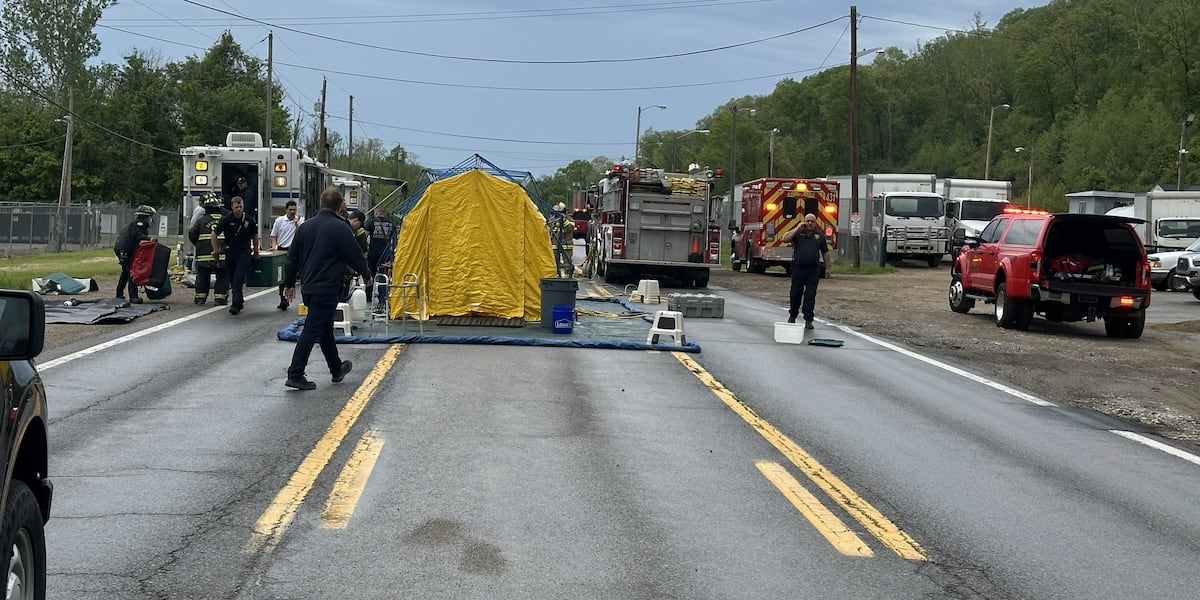
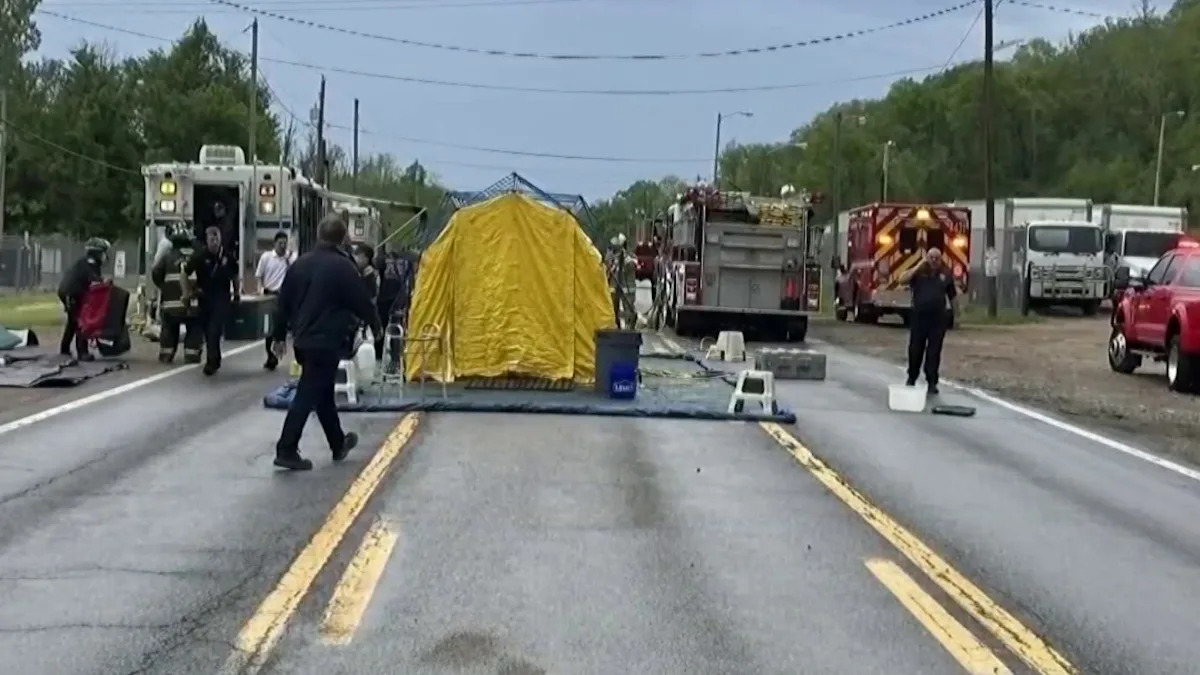
A fatal chemical leak at Catalyst Refiners, a silver recovery facility in Institute, West Virginia, has resulted in two fatalities and 19 injuries, including seven first responders. The incident highlights critical vulnerabilities in industrial process safety management (PSM), particularly regarding non-routine operations. According to officials, the chemical reaction occurred while workers were preparing to shut down part of the facility, a phase typically associated with heightened risk due to procedural changes and increased human intervention.
The incident involved a violent reaction between nitric acid and an unidentified substance, producing highly toxic hydrogen sulfide gas. The severity and uncontrolled nature of the reaction suggest significant failures in process hazard analysis (PHA) and risk mitigation protocols. Non-routine procedures, such as cleaning or decommissioning, often deviate from steady-state operations, introducing variables that can lead to unexpected chemical kinetics and containment failures if not properly assessed and controlled.
Analysis of Non-Routine Operational Risk and Procedural Failures
The core vulnerability exposed by this event aligns with industry data indicating that non-routine operations—including startups, shutdowns, and maintenance activities—present significantly higher risks than steady-state production. During these transition phases, changes in temperature, pressure, and chemical concentrations can destabilize processes. The presence of nitric acid, a highly corrosive and reactive substance common in silver refining, coupled with the non-standard shutdown procedure, created a high-risk scenario that quickly escalated beyond human control.
Process Safety Management (PSM) protocols require comprehensive hazard assessments for all operational phases, including non-routine tasks. The failure during the shutdown suggests potential deficiencies in procedural adherence, personnel training, or the initial hazard identification process. The release of hydrogen sulfide, a highly lethal gas at low concentrations, underscores a breakdown in hazard communication and emergency preparedness. The resulting chaotic scene, where injured individuals were transported by private cars and even a garbage truck, further indicates a failure in initial emergency response protocols.
Regulatory Scrutiny and Broader Sector Implications
The incident has triggered a multi-agency investigation involving state departments (like the West Virginia Department of Environmental Protection) and federal regulatory bodies, including the Occupational Safety and Health Administration (OSHA) and the Environmental Protection Agency (EPA). The investigation will focus on determining whether Catalyst Refiners adhered to federal and state regulations concerning PSM, hazardous materials handling, and emergency response planning.
Beyond immediate regulatory compliance issues, this event serves as a critical test case for risk management across the industrial sector. The long-term viability of high-risk facilities hinges on their ability to manage operational transitions effectively. The incident will likely influence insurance underwriting standards for industrial facilities, potentially leading to increased premiums and stricter scrutiny of Environmental, Social, and Governance (ESG) performance regarding safety records and regulatory adherence. For companies in chemical processing and metal refining, this incident reinforces the imperative to prioritize comprehensive risk assessments over cost savings during non-routine operations.
The immediate and downstream consequences extend beyond the facility. The community faced disruption from road closures and potential environmental exposure to toxic chemicals. For Catalyst Refiners, the incident results in immediate operational halt, significant liability exposure, and potential long-term business disruption. The high number of first responder injuries highlights the need for improved hazard communication and coordination between industrial facilities and local emergency services to avoid secondary casualties during critical incidents.