Operational Response to Security Threats
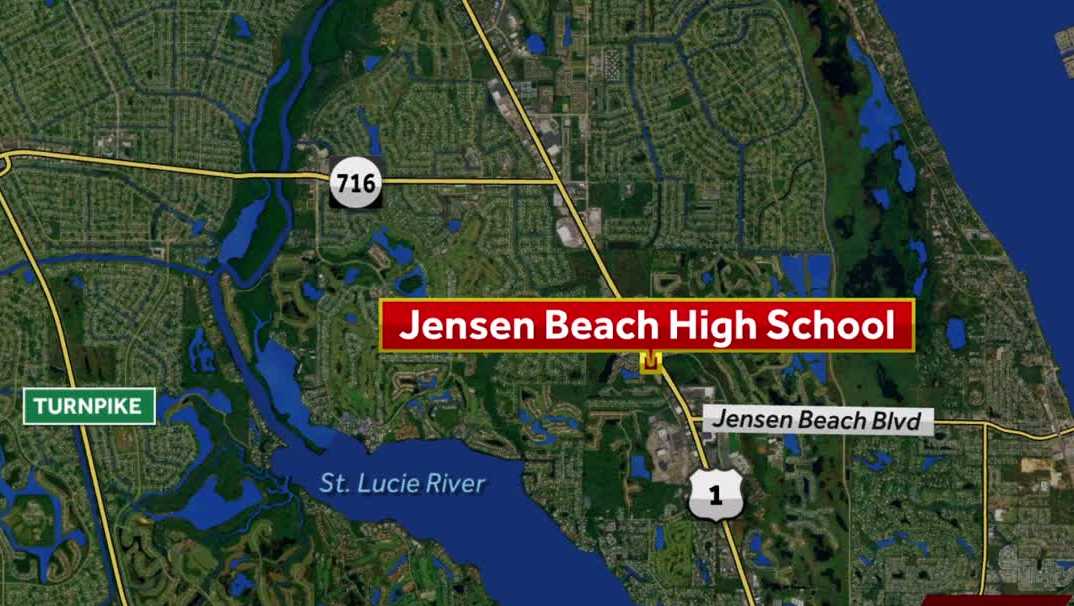
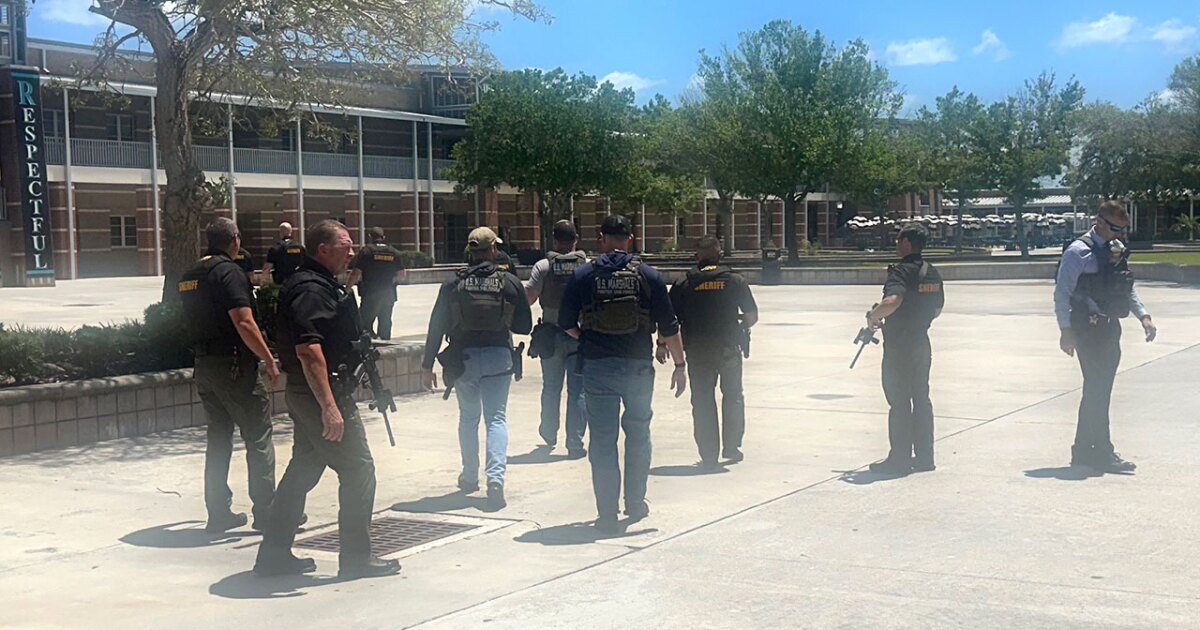
The Martin County Sheriff’s Office recently executed a high-level security response at Jensen Beach High School following an anonymous report of an active shooter and a bomb threat. By immediately initiating standard emergency protocols, authorities prioritized the safety of the student body and faculty.
Although investigations determined the threats were false, the incident necessitated a comprehensive campus search. This deployment highlights the complexities of institutional security when faced with unverified intelligence, forcing administrators and law enforcement to weigh the cost of immediate, resource-intensive interventions against the necessity of securing the academic environment.
Risk Management and Institutional Continuity
The transition from a full lockdown to a controlled lockout reflects a calculated approach to risk mitigation. By restricting access while permitting limited internal operations, school officials attempt to maintain educational continuity without compromising physical safety. However, the reliance on anonymous tips remains a systemic challenge; every report demands a full-scale response, as the failure to act on a potential threat carries catastrophic consequences, regardless of the statistical likelihood of the report’s validity.
Economic and Administrative Implications
The mobilization of significant law enforcement assets represents a substantial reallocation of public resources. When threats are proven non-credible, the financial and administrative burden shifts to taxpayers and the district, emphasizing the fiscal strain of recurring security disruptions. Furthermore, these events necessitate precise communication strategies to manage parental anxiety and prevent logistical congestion near emergency access routes, which is vital for effective modern crisis management.
Systemic Challenges in Information Verification
Digital anonymity allows malicious actors to disrupt institutional operations, revealing a vulnerability in the verification pipeline between the public and emergency dispatch. Law enforcement agencies must continuously refine their ability to distinguish between credible dangers and strategic hoaxes to prevent institutional fatigue. As school districts navigate these tensions, the integration of advanced verification technology and human intelligence becomes increasingly critical to ensuring that future response protocols remain both efficient and capable of protecting the academic environment.