Canada’s Strategic Pivot: Assessing US Protectionism as an Economic Vulnerability
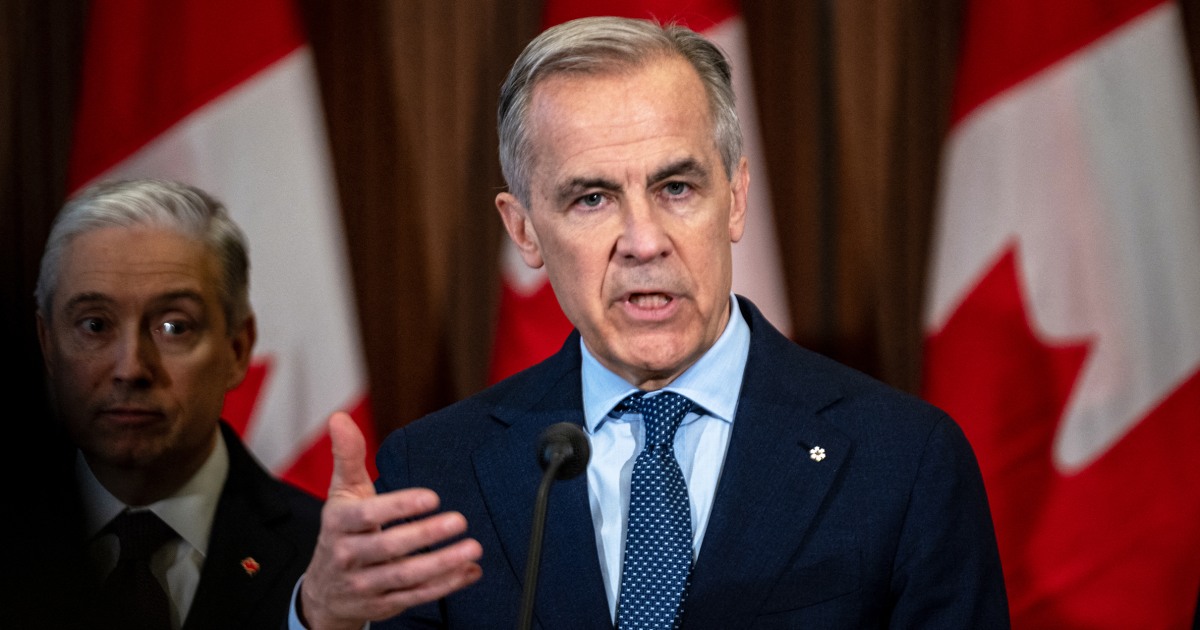
Canadian Prime Minister Mark Carney has stated that Canada’s traditionally strong economic integration with the United States has transitioned from a fundamental strength into a significant vulnerability. In a video address, Carney highlighted a fundamental shift in U.S. trade policy, characterized by protectionist measures and unpredictable changes. This shift, he noted, has introduced pervasive uncertainty that is restraining investment and impacting critical sectors of the Canadian economy. The Prime Minister’s remarks signal a strategic re-evaluation of Canada’s economic positioning, moving away from a reliance on deep integration with a single, increasingly unpredictable trading partner.
The Structural Impact of Protectionism on Supply Chains and Investment
Carney specifically pointed to the detrimental effects of U.S. tariffs on key sectors, including the auto and steel industries. The highly integrated nature of North American supply chains means that tariffs on raw materials or components disrupt production processes and increase costs across the value chain. For the auto sector, which relies heavily on just-in-time logistics and cross-border component movement, tariff uncertainty creates a substantial obstacle to efficient operations and long-term capital planning. The source notes that businesses are holding back investments due to the “pall of uncertainty” hanging over the economy. This phenomenon reflects a broader strategic challenge for firms operating within the North American market, as unpredictable trade rules deter capital expenditure and potentially divert investment to more stable jurisdictions.
Geopolitical Imperative and Historical Precedent
Carney framed the issue within a broader geopolitical context, stating that the “world is more dangerous and divided.” This perspective suggests that the strategic shift is not merely a reaction to specific tariffs but a necessary response to a fundamental change in global trade dynamics. The rise of economic nationalism necessitates a re-evaluation of Canada’s national economic security strategy. The Prime Minister drew a historical parallel between current tariffs and those of the Great Depression, specifically referencing the Smoot-Hawley Tariff Act of 1930. By doing so, Carney emphasized the severity of the threat to the established international trade order and the potential negative long-term consequences of protectionism on global economic stability. This historical context provides a strong rationale for proactive measures to protect the Canadian economy from similar outcomes.
Strategic Diversification and Operational Challenges
The strategic pivot toward economic diversification involves strengthening trade ties with other countries and attracting foreign direct investment from non-U.S. sources. The long-term goal is to build resilience by creating alternative markets for Canadian goods and services, mitigating the impact of potential future trade restrictions from the U.S. However, this decoupling presents substantial operational challenges. Decades of integration have created highly efficient logistical networks optimized for cross-border movement. Shifting away from this model requires significant capital expenditure to establish new infrastructure, find alternative suppliers, and develop new market access strategies. The cost and timeline for this transition present a significant hurdle for businesses, particularly small and medium-sized enterprises (SMEs) enterprises, potentially affecting domestic employment and consumer prices in the short term.
Financial Market Implications and Stakeholder Response
The uncertainty described by Carney has direct implications for financial markets and corporate risk management. Businesses must re-evaluate their exposure to cross-border trade risks, potentially increasing hedging costs or altering investment portfolios. The “pall of uncertainty” affects currency valuations and interest rate expectations, as investors price in the potential for trade disruptions. The strategic shift toward diversification also creates opportunities for new investment in sectors that facilitate trade with non-U.S. partners, including infrastructure development and logistics technology. Politically, the source highlights tensions exacerbated by U.S. rhetoric suggesting Canada become the 51st state. This perceived threat to national sovereignty strengthens the political imperative for diversification, making the strategic pivot a matter of national autonomy as much as much as economic necessity.