United Airlines Elevates Premium Strategy with Enhanced 787-9 Fleet and Activated Polaris Suite Doors
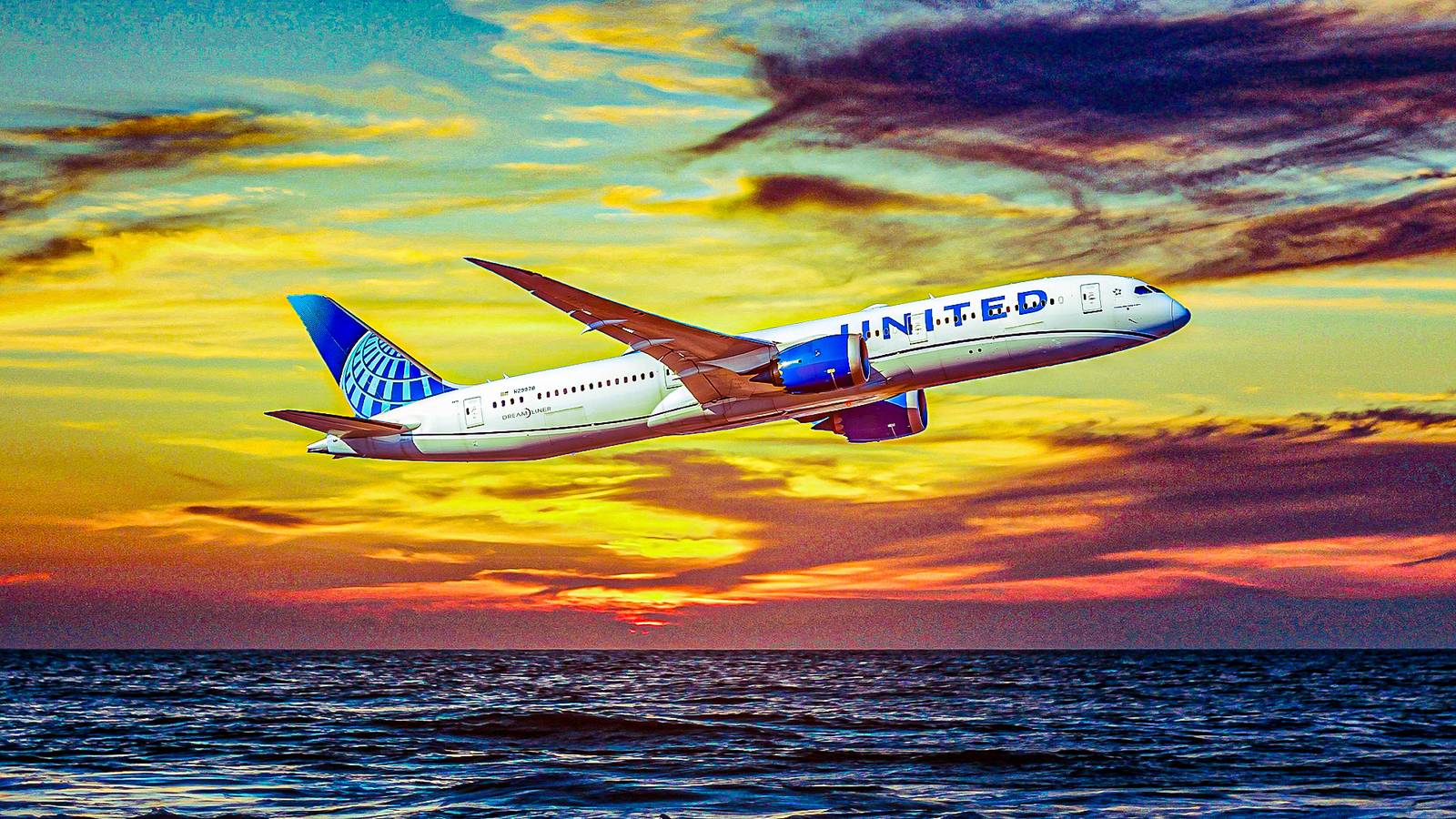
United Airlines is making a significant strategic pivot, aggressively expanding its footprint in the high-yield premium travel market through a comprehensive enhancement of its Boeing 787-9 Dreamliner fleet. The introduction of an “Elevated interior” on select aircraft drastically reconfigures the cabin, reducing total seating to 222. Critically, 99 of these seats (approximately 44.6% of total capacity) are dedicated to business class and premium economy, signaling a deliberate and calculated shift towards optimizing Revenue Per Available Seat Mile (RASM) by prioritizing higher-spending passengers. This premium-heavy deployment is precisely targeted at long-haul international corridors, identified through rigorous market analysis as possessing the highest demand for superior comfort and exclusive services, thereby maximizing profitability.
Strategic Network Deployment and Market Challenge
United’s network optimization strategy is demonstrably clear with the expansion of these specialized 787-9s to a total of eight routes. This phased rollout, encompassing an additional four routes, underscores a sustained commitment to enhancing service quality and revenue capture on critical international arteries. The recent additions, originating from United’s strategically vital George Bush Intercontinental Airport (IAH) hub in Houston, include high-value routes to São Paulo, Sydney, Tokyo Narita, and London Heathrow, with the initial three launching in October 2026. IAH’s central geographic position in the Americas is leveraged to maximize connectivity and capture premium traffic flows, solidifying its role as a key gateway in United’s enhanced international network.
The precise allocation of these premium-heavy aircraft to routes with established high-demand for business and luxury leisure travel, such as Sydney and Tokyo Narita, is a calculated move to maximize Revenue Per Available Seat Mile (RASM). By directly targeting passenger segments willing to pay a premium for enhanced travel experiences, United aims to outcompete rivals on lucrative long-haul segments. This aggressive positioning is designed not only to capture significant market share but also to redefine United’s brand perception in highly contested global markets, particularly against carriers already strong in the premium space.
Polaris Suite Doors: Completing the Premium Experience and Addressing Competition
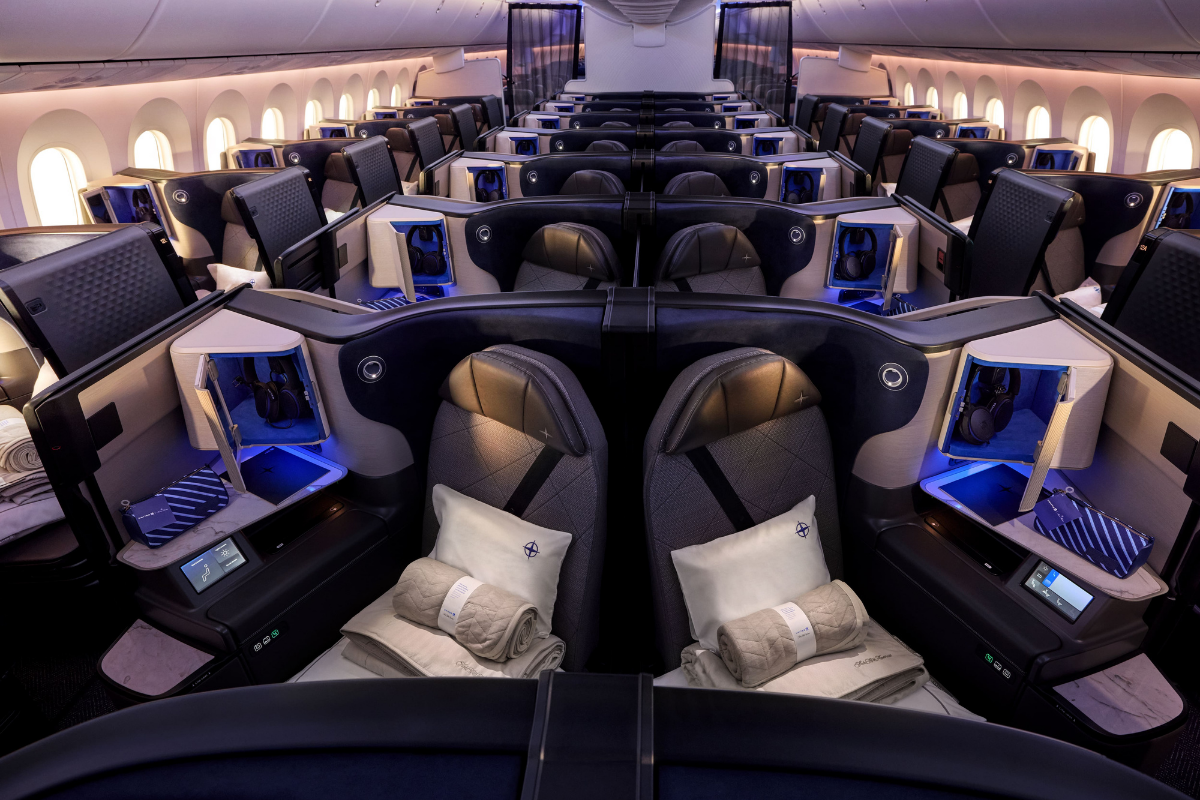
The activation of sliding privacy doors for United’s newest Polaris business class suites represents a pivotal moment in its premium cabin strategy. This feature, fundamental to the Polaris product’s intended design, had been temporarily locked in the open position, awaiting crucial regulatory approval—a standard but often time-consuming procedural step for any cabin modification affecting safety or egress. The successful certification and subsequent fleet-wide activation of these doors complete one of the most significant upgrades to United’s premium offering since Polaris’s debut nearly a decade ago. This regulatory milestone not only validates the rigorous safety and design compliance but also signals the full maturation of United’s premium hard product.
While passengers previously benefited from new seats, larger entertainment screens, enhanced storage, and expanded Studio suites, the defining element of personal privacy remained elusive. The full operationalization of these doors now delivers the complete, intended customer experience, elevating the Polaris suite to a truly private, enclosed space. This critical enhancement directly closes a competitive gap with leading long-haul operators who have already integrated private suite features. By offering fully enclosed, individual environments, United not only differentiates its product but also significantly strengthens its competitive standing within the fiercely contested global premium travel market, meeting an increasingly non-negotiable expectation among discerning high-value travelers.
Market Repositioning and Competitive Advantage
This strategic investment in a premium-heavy 787-9 configuration and the full activation of Polaris suite privacy doors signify United’s deliberate repositioning from a traditional legacy carrier to a formidable global premium airline. This move is a direct, data-driven response to the evolving demands of high-value travelers who increasingly prioritize comfort, personal space, and unparalleled privacy. This aggressive push into the ultra-premium segment exerts significant competitive pressure on rival carriers, particularly those on parallel long-haul routes lacking equivalent private suite offerings. These competitors now face intensified pressure to accelerate their own cabin upgrade cycles or risk substantial erosion of market share among lucrative business and affluent leisure travelers.
United’s decision aligns with a broader industry trend acknowledging the disproportionate revenue contribution of premium cabins. Despite representing a smaller percentage of total seats, premium offerings deliver significantly higher yields, critically boosting overall profitability, especially on capital-intensive long-haul international routes. Beyond direct revenue, the enhanced exclusivity and privacy are designed to attract new premium clientele and significantly deepen loyalty among existing high-tier frequent flyers. The tangible value of a genuinely private in-flight environment becomes a compelling differentiator in securing repeat bookings and negotiating high-value corporate travel contracts, reinforcing United’s brand equity.
Financial Leverage and Future Fleet Strategy
The significant capital expenditure allocated to aircraft interior reconfigurations and the rigorous process of securing regulatory approvals underscores United’s unwavering belief in the long-term financial viability of its premiumization strategy. This investment is predicated on the expectation of superior returns driven by enhanced premium yields and an expanded share of the high-value market segment. Operationally, concentrating these premium-dense assets on meticulously identified high-demand routes optimizes aircraft utilization, ensuring that each of the most lucrative aircraft delivers maximum revenue contribution while mitigating the risk of underutilization on less premium-intensive sectors.
The Boeing 787-9 Dreamliner serves as an ideal platform for this strategy, leveraging its inherent fuel efficiency and extended range capabilities. These operational economics enable United to profitably serve distant international markets, even with a reduced overall seat count, by disproportionately maximizing revenue per premium seat. The success of this premium-heavy 787-9 deployment is poised to critically inform United’s future fleet planning and procurement decisions, potentially guiding subsequent wide-body aircraft orders and cabin configurations, thereby cementing a sustained, long-term commitment to premiumization across its entire global network.
Regulatory Rigor and Innovation Prowess
The interim period during which the Polaris suite doors remained locked in an open position starkly illustrates the critical, non-negotiable role of aviation regulatory bodies in overseeing cabin design and safety. Any cabin feature, especially one impacting passenger egress, emergency procedures, or overall operational safety, mandates exhaustive review and stringent certification prior to full activation. This rigorous regulatory scrutiny is paramount to ensuring that advancements in passenger comfort never compromise established safety standards—a foundational tenet of the aviation industry. The successful certification process for the sliding doors involved meticulous demonstration of compliance with diverse safety protocols, including emergency evacuation timings and accessibility standards.
The ultimate approval and full activation of these doors not only underscore United’s capacity to integrate sophisticated cabin features but also demonstrate the broader industry’s ability to innovate while adhering to the most stringent safety regulations. This achievement sets a crucial precedent for future aircraft interior designs, effectively balancing desired passenger experience enhancements with immutable safety mandates. For an airline, adeptly navigating these complex regulatory pathways is an arduous yet indispensable component of product development. The initial delay, while potentially impacting early passenger perceptions, ultimately reinforced the methodical, safety-first approach mandated by global aviation authorities, thereby solidifying passenger trust and ensuring long-term operational integrity.
Long-Term Market Impact and Brand Elevation
United’s comprehensive overhaul of its premium offering, strategically culminating in the full activation of Polaris suite privacy doors, signifies a profound evolution in its brand perception. This decisive action signals a clear and ambitious intent: to transcend its identity as a major global carrier and firmly establish itself as a preeminent leader in luxury long-haul travel. This strategic repositioning is poised to fundamentally reshape customer expectations for United’s premium products, cultivating a perception of unparalleled luxury and exclusivity that will enable the airline to command higher price points and attract a more affluent, discerning clientele. The significant investment in privacy directly addresses and capitalizes on a growing consumer preference for personalized, undisturbed, and truly private travel experiences.
The long-term repercussions extend far beyond immediate revenue generation, critically influencing corporate travel agreements and strategic partnerships. Companies prioritizing superior travel experiences for their executives and key personnel will find United’s enhanced premium product compelling, potentially catalyzing a significant shift in corporate accounts. Moreover, the sustained positive media narrative generated by the fully activated Polaris suites and the strategic deployment of premium-heavy aircraft will substantially reinforce United’s commitment to passenger comfort and innovation. This contributes to a robust, differentiated brand image within the highly competitive global aviation landscape. By strategically focusing on premiumization, particularly across routes connecting to vital global business and tourism hubs, United adopts a forward-looking market segmentation approach, positioning itself to aggressively capitalize on the anticipated resurgence and sustained growth of high-value international travel, thereby securing a decisive competitive advantage for the foreseeable future.