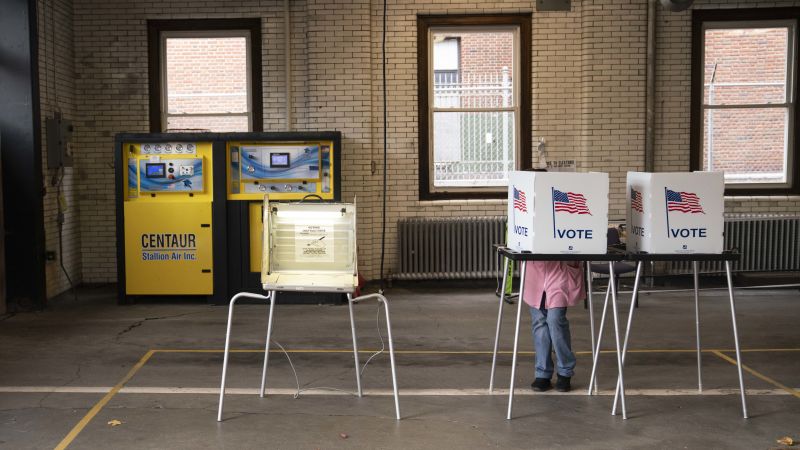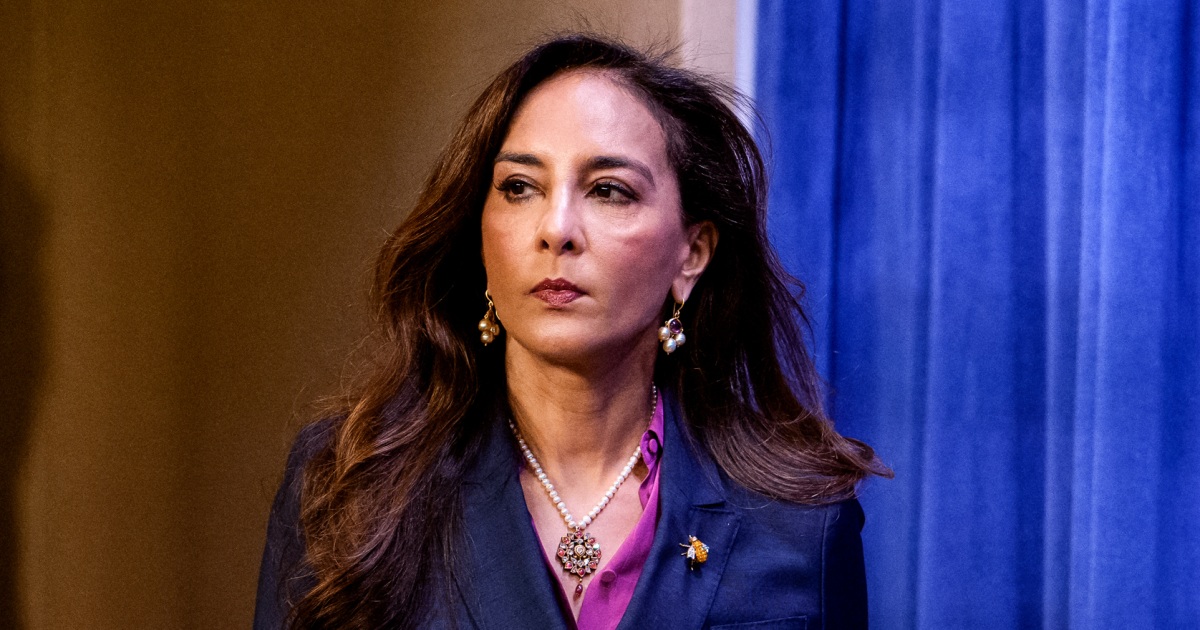
The United States Department of Justice (DOJ) has initiated a high-stakes administrative maneuver by demanding the immediate surrender of all ballots, receipts, and envelopes from the 2024 general election in Wayne County, Michigan. This directive, issued by the Civil Rights Division under Assistant Attorney General Harmeet Dhillon, signals an aggressive shift in federal oversight. By targeting Michigan’s most populous jurisdiction with a 14-day compliance window, the DOJ has placed unprecedented operational and legal pressure on local officials responsible for the security and chain of custody of millions of sensitive documents.
Jurisdictional Friction and the 10th Amendment
Michigan Attorney General Dana Nessel has formally contested the federal demand, characterizing the DOJ’s actions as an overreach into state-level democratic processes. This confrontation underscores a deepening rift between federal executive authority and state sovereignty. Under the U.S. Constitution’s Elections Clause and the 10th Amendment, the administration of elections is primarily reserved to the states. Nessel’s refusal to comply sets the stage for a judicial determination on the limits of federal investigative reach into local tallies, likely requiring the courts to weigh federal oversight mandates against state administrative autonomy.
Logistical Vulnerabilities and Administrative Strain
The DOJ’s 14-day ultimatum presents a significant logistical challenge for Wayne County’s infrastructure. Managing the physical movement of a massive volume of records—including those from the city of Detroit—risks disrupting state-mandated retention protocols and post-election auditing. Forcing a rapid turnover of these materials could compromise the physical integrity of the documents and the established chain of custody. Furthermore, the personnel and financial resources required for such a large-scale data transfer create an administrative burden that threatens to paralyze local clerks already navigating intense public scrutiny.
Strategic Pivot of the Civil Rights Division
The involvement of the Civil Rights Division suggests a strategy to frame this inquiry as a protection of voting rights, potentially bypassing traditional jurisdictional limits. By citing historical irregularities in Wayne County, the DOJ is attempting to establish a pattern of conduct that justifies federal intervention under civil rights statutes. However, critics argue that relying on isolated incidents or previously dismissed litigation to justify a county-wide seizure lacks the specific, credible evidence typically required for such broad federal action. This tension between federal investigative mandates and evidentiary standards remains a central legal friction point.
Historical Precedent and Judicial Scrutiny
This conflict is inextricably linked to the 2020 election cycle, where similar claims of fraud in Michigan were repeatedly dismissed for lack of evidence. The current DOJ demand relies on allegations stemming from cases that previously failed to meet judicial scrutiny. If the Department cannot produce new, substantive evidence to distinguish the 2024 cycle from 2020’s debunked claims, it faces a high bar in court. This reliance on contested historical narratives may undermine the institutional credibility of the DOJ if the judiciary views the current inquiry as a continuation of failed legal strategies.
Institutional Risks and Precedential Impact
The escalation places Wayne County officials in a position of extreme legal exposure, caught between a federal demand and a state directive to resist. This uncertainty risks deterring qualified individuals from election administration roles and erodes public trust in the DOJ’s impartiality. The resolution of this standoff will set a critical precedent: either reinforcing the principle of state-led election administration or signaling a shift toward centralized federal control over local tallies. As the deadline nears, the focus remains on whether the federal government will pursue enforcement through a court-ordered subpoena or seek a negotiated compromise.