
Operational Resilience in Professional Motorsports
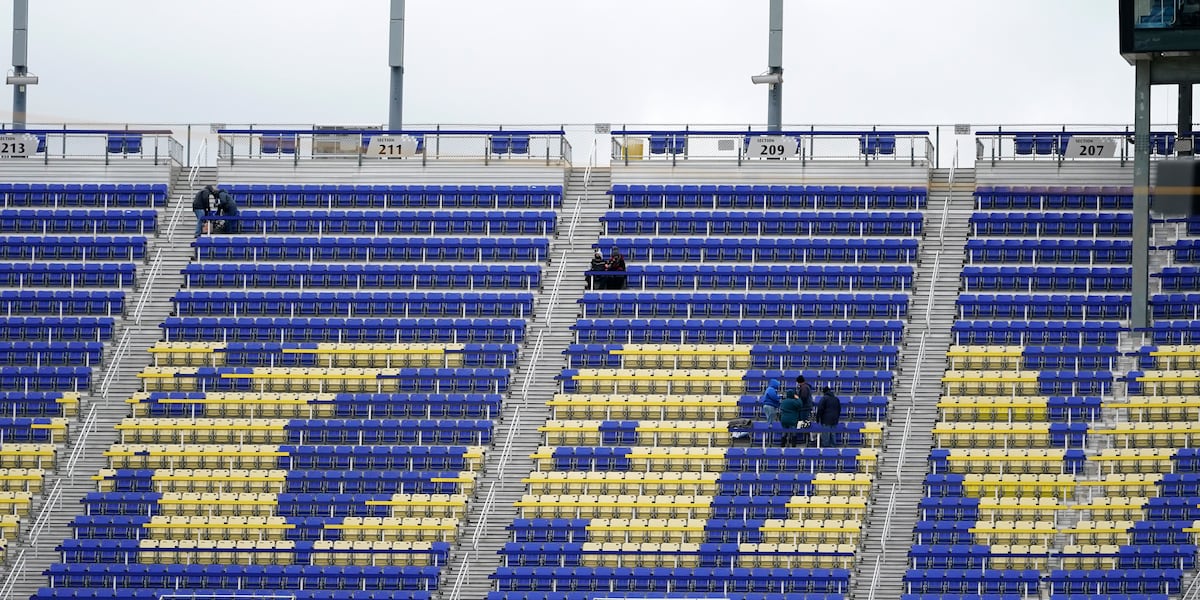
The decision by Kansas Speedway officials to close grandstands and cancel activities on April 17, 2026, highlights the vulnerability of high-stakes outdoor sports to meteorological volatility. By prioritizing spectator safety over the continuity of practice rounds, management exercised essential risk mitigation, balancing institutional liability against the pressures of a high-performance racing schedule.
This disruption emphasizes the logistical intensity of a multi-day racing weekend where capital investment is concentrated in brief, high-intensity windows. Navigating severe weather threats requires precise coordination between track operators, NASCAR officials, and emergency services. The loss of practice sessions compels teams to adjust technical preparations, potentially recalibrating the competitive landscape for upcoming races.
Strategic Implications of Schedule Compression
The cancellation of Friday’s sessions forces teams to rely heavily on simulation data and historical metrics. Without on-track calibration, engineering teams face significant pressure to optimize vehicle setups within the truncated time remaining before the ARCA Menards Tide 150 and the Kansas Lottery 300. This compression shifts the burden of performance from trackside adjustments to pre-event engineering and predictive modeling.
For sponsors and media stakeholders, such disruptions threaten projected ROI. The loss of fan engagement opportunities necessitates agile communication strategies to maintain brand sentiment. These events underscore the industry’s dependence on stable environmental conditions to ensure the integrity of the competitive schedule.
Institutional Coordination and Safety Protocols
Announced at 2:30 p.m. on April 17, the track’s response reflects established safety protocols. Centralized decision-making minimizes confusion and reinforces safety as the primary operational directive—a necessity for large-scale venues in regions prone to unpredictable weather.
Rescheduling the ARCA Menards Tide 150 for Saturday demonstrates a recovery strategy dependent on the flexibility of broadcast partners and racing teams. Mastering this pivot is a critical competency for modern sports management, directly influencing the facility’s financial and reputational standing.
Economic and Competitive Consequences
The AdventHealth 400 remains the weekend’s financial anchor; its success is vital for the venue’s economic performance. Disruptions jeopardize revenue streams, including concessions and advertising commitments. Consequently, sophisticated weather monitoring and contingency planning serve as core components of modern track operations.
Competitively, the lack of practice disproportionately impacts smaller teams with fewer simulation resources. This creates a shift where advantage tilts toward organizations with more robust technical support systems, marking operational adaptability as a key differentiator in professional racing viability.
Systemic Vulnerability and Future Planning
The events at Kansas Speedway serve as a case study in crisis management. As climate volatility increases, the demand for advanced meteorological integration and flexible scheduling will grow. Embedding these capabilities into standard operating procedures is now a fundamental requirement for maintaining the continuity of high-value sporting events.
Ultimately, the resilience of the NASCAR circuit relies on the collective ability of tracks and teams to adapt without compromising competitive standards. The Kansas Speedway experience confirms that while infrastructure remains fixed, operational strategy must be fluid to navigate an unpredictable environment.
Photo by PublicDomainPictures on Pixabay.