The Structural Reality of the Mets’ Downturn
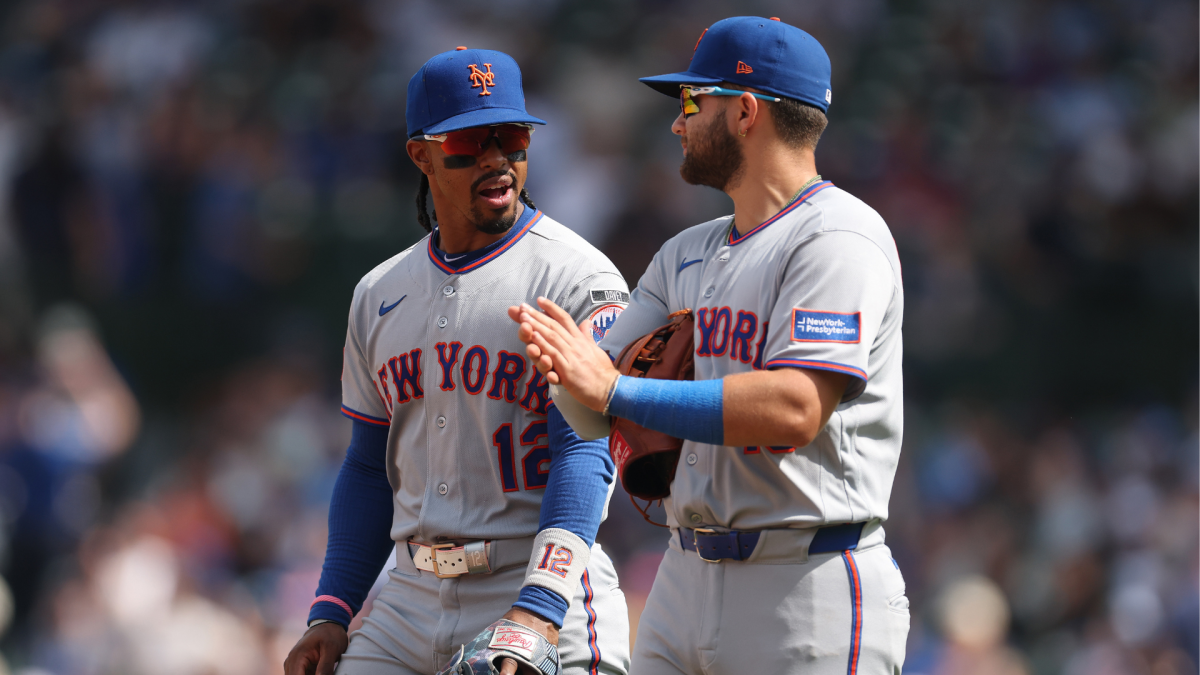
The New York Mets have entered a period of institutional stress, marked by a nine-game losing streak—the franchise’s longest since 2004. Following a 12-4 loss to the Chicago Cubs, the team’s 7-13 record triggers questions regarding the sustainability of its current operational model. This performance deficit reflects systemic roster challenges; given one of the highest payrolls in professional baseball history, the disparity between capital investment and on-field output has intensified organizational scrutiny.
Operational Deficiencies and Competitive Leverage
Outscored 56-16 during this stretch, the Mets lack competitive leverage in both pitching and hitting. The reliance on marquee assets like Kodai Senga has failed to provide stability, as Senga has surrendered six or more earned runs in consecutive appearances. Offensively, the lineup’s .175/.213/.257 slash line during the streak underscores a primary bottleneck in converting base runners into scoring opportunities.
High-Payroll Expectations and Psychological Toll
Elevated payrolls mandate immediate high-level performance. When these metrics are unmet, the resulting pressure permeates team culture and individual development. Brett Baty’s public acknowledgment of his substandard performance highlights the psychological weight exerted on personnel. For a franchise previously susceptible to late-season volatility, this early-season slump creates a critical challenge for long-term strategic planning.
Institutional Memory and Organizational Risk
The current 7-13 standing mirrors historical performance lapses, notably the 2023 collapse where a 45-24 record by mid-June devolved into a 38-55 finish. This recurrence suggests structural, rather than incidental, issues. Management must now stabilize the roster without resorting to reactionary personnel decisions that could jeopardize future financial flexibility.
Strategic Implications for Stakeholders
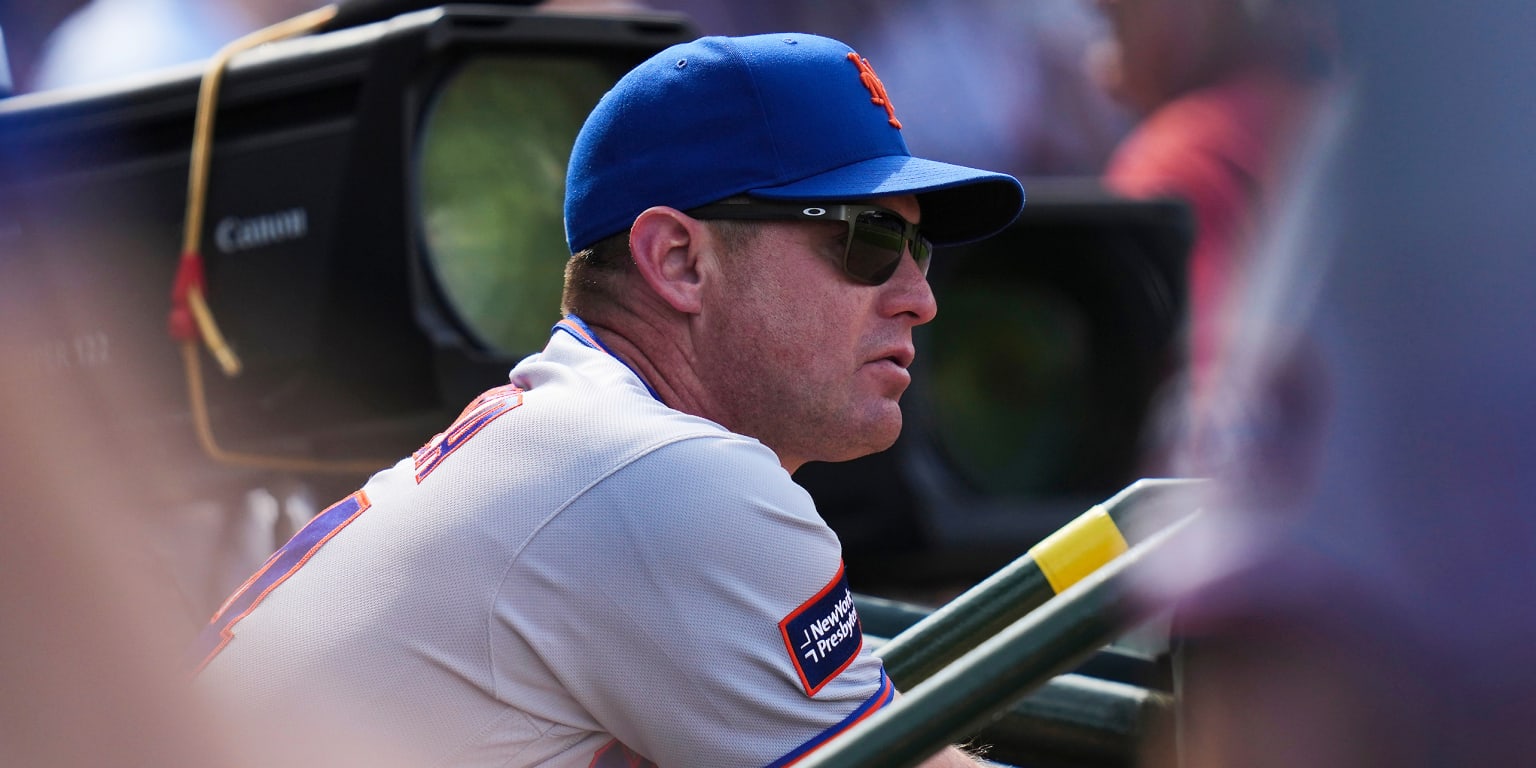
The front office faces an urgent evaluation: does the current roster possess the capacity to correct these performance gaps? The silence in the clubhouse and manager Carlos Mendoza’s public calls for improved execution indicate that operational adjustments are no longer optional. As the team continues to be outscored at a rate of 4.44 runs per game, the pressure on the coaching staff to reconcile these results with the club’s financial commitment increases, forcing a delicate balance between roster patience and competitive necessity.