The Play-In Tournament: Structural Evolution and Competitive Volatility
The 2026 NBA postseason marks a significant inflection point in the league’s competitive and commercial strategy, driven primarily by the full integration of the Play-In tournament. By institutionalizing this phase between the regular season finale and the traditional playoff bracket, the NBA has created a distinct high-stakes inventory that extends the competitive window and maximizes engagement during a period previously characterized by tanking or rest strategies.
This structural change introduces a strategic paradox for franchises. For top contenders like the Oklahoma City Thunder, securing the No. 1 seed for the third consecutive year provides a buffer against the high-variance environment of the Play-In, allowing for load management and strategic rest ahead of the main bracket. Conversely, teams positioned in the 7th through 10th seeds face immediate, high-pressure elimination games. The early exit of established franchises, notably the Miami Heat and Los Angeles Clippers in the initial stages of the 2026 tournament, highlights how this format increases financial and competitive risk for high-value organizations.
The Strategic Imperative for Bubble Teams
For Play-In participants, such as the Philadelphia 76ers and Portland Trail Blazers, the challenge shifts from long-term regular-season consistency to immediate game-to-game execution. These teams must peak earlier than top seeds, integrating the high-stakes intensity of single-elimination play into their preparation for a potential seven-game series. This differs fundamentally from the traditional path, where teams could transition directly from a more leisurely regular-season conclusion into a structured playoff environment. The psychological and physical toll of this qualification process impacts roster management and momentum generation as they enter the main bracket.
Media Distribution and Market Segmentation
The 2026 postseason also serves as a critical test for the league’s evolving media distribution strategy, particularly with the exclusive streaming of the Play-In tournament on Prime Video. This decision represents a deliberate move to segment the audience and leverage digital platforms to capture new revenue streams. By isolating the Play-In inventory from traditional linear broadcasts, the NBA creates a distinct digital product that appeals to a different demographic and offers new data insights into viewer behavior on streaming services.
Valuation and Broadcast Leverage
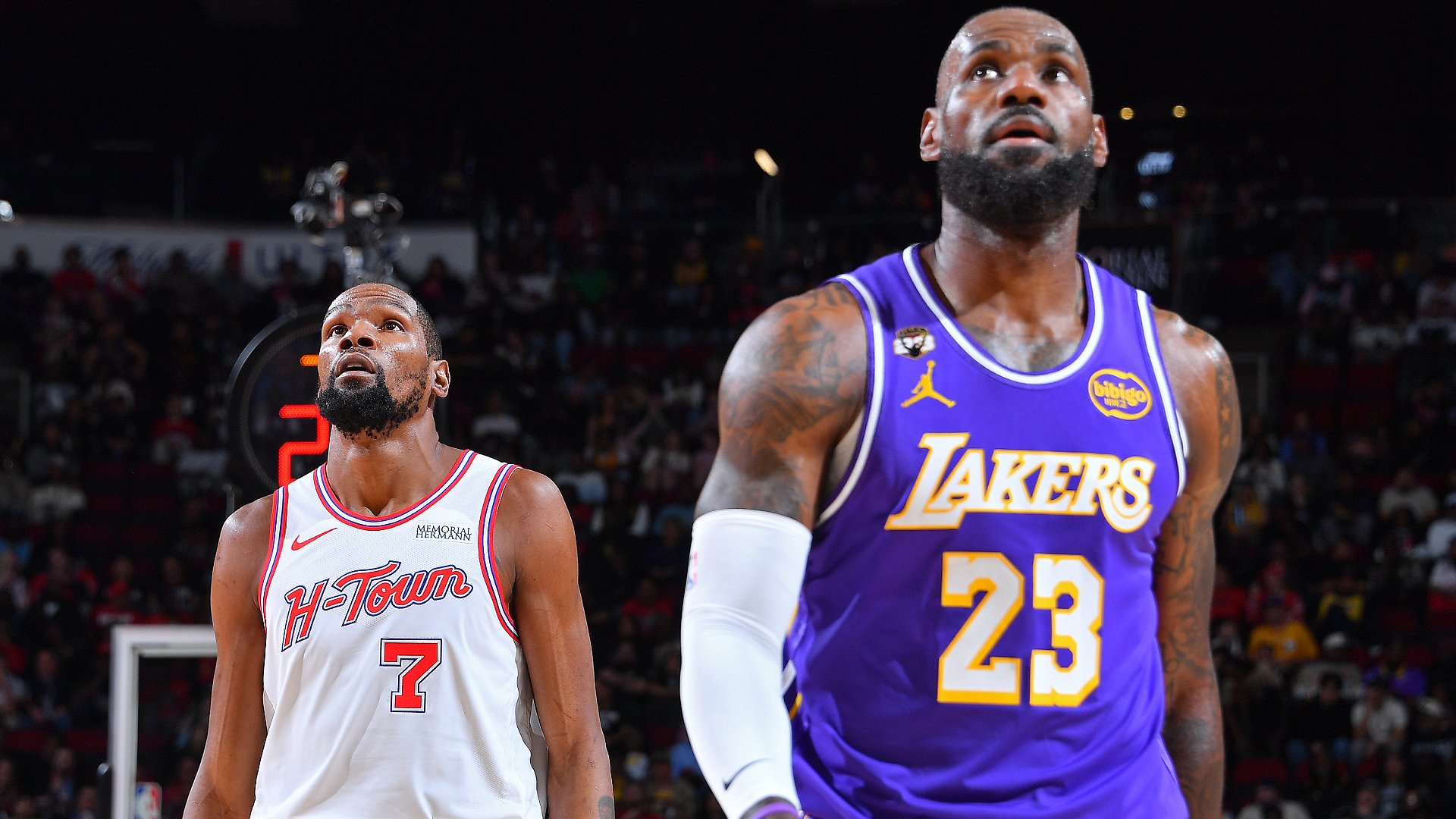
This hybrid approach allows the league to optimize its revenue across different media markets. As the postseason transitions to the official bracket, the distribution model reverts to a mix of traditional networks, including ABC and ESPN, ensuring maximum reach for high-profile matchups like the Houston Rockets at the Los Angeles Lakers. The strategic allocation of content across both streaming platforms (for qualification) and linear television (for high-value series) enables the NBA to maximize advertising revenue and maintain brand visibility, while simultaneously increasing its negotiating leverage for future media rights packages by demonstrating the value of its segmented inventory.
Economic Implications and Organizational Risk
The financial consequences of the Play-In tournament extend beyond immediate broadcast revenue. For organizations that secure advancement, deeper playoff runs generate additional revenue through home game ticket sales, merchandise, and enhanced sponsorship opportunities. Conversely, early elimination, especially for large-market teams, represents a significant disruption to financial projections and anticipated return on investment. The increased risk introduced by the Play-In format necessitates a re-evaluation of long-term strategic planning, roster construction, and capital expenditure for franchises that fail to secure a top-six seed, underscoring its impact on organizational stability and team valuation.