
The Economic Vulnerability of Automotive Assets
Recent severe weather events in Cuyahoga County have exposed the profound financial risks associated with concentrated automotive inventory. When hail and convective storms strike, the immediate result is the rapid devaluation of high-value capital assets. This is not merely a localized insurance issue; it creates systemic friction within the regional automotive supply chain.
As dealerships serve as critical nodes in the retail distribution network, physical damage triggers immediate liquidity constraints. The necessity for large-scale repairs or complete inventory write-downs disrupts cash flow, forcing stakeholders to confront the fiscal consequences of geographical risk concentration.
Structural Risks of Convective Weather
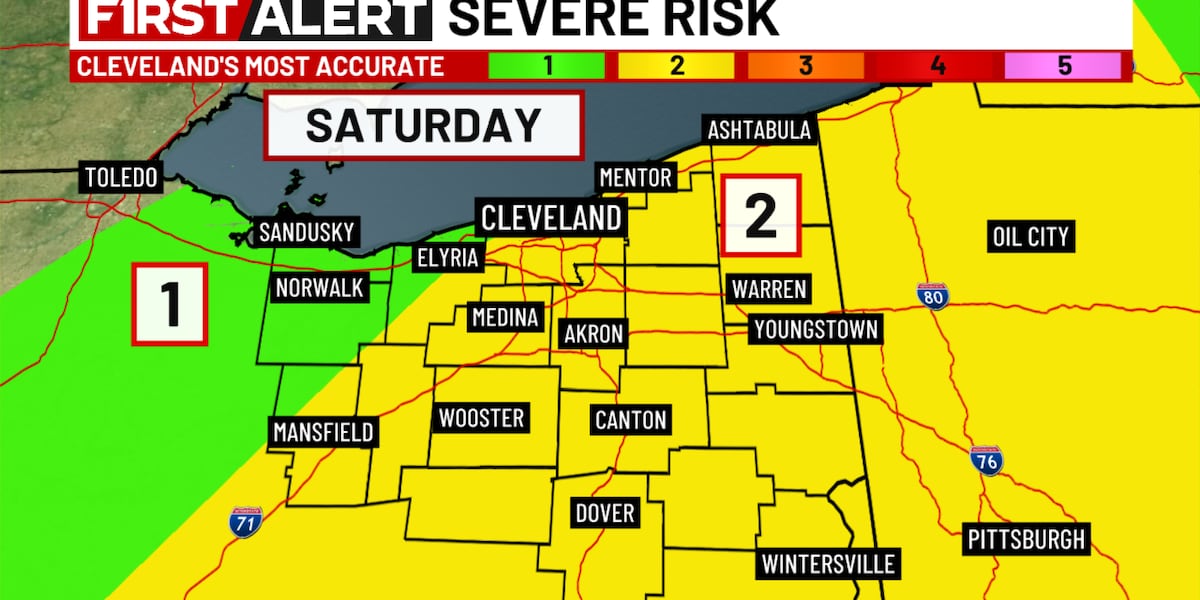
Meteorological data reveals that Northeast Ohio’s cold front transitions create specific windows of high risk. The tendency for severe weather to concentrate east of the I-71 corridor underscores a distinct vulnerability for regional infrastructure. These storms, marked by intense hail and wind gusts, create high-velocity damage that outpaces conventional mitigation efforts.
The rapid intensification of localized cells limits the lead time for site-specific protection. This unpredictability complicates the risk profiles for both commercial asset holders and regional property owners, rendering standard disaster preparedness protocols less effective.
Operational and Market Implications
The impact extends to the administrative burden of damage assessment and claims processing, which diverts capital away from core operations. This cycle of recovery forces a reevaluation of insurance underwriting for the region, potentially leading to increased premiums and stricter deductibles for businesses with high-exposure inventories.
Regional stakeholders are now compelled to prioritize long-term fiscal resilience. This involves transitioning from reactive recovery to proactive asset management, including physical hardening and more granular meteorological monitoring.
Strategic Infrastructure and Economic Stability
Strategic economic planning must now integrate climate-related volatility into long-term forecasts. For Cuyahoga County, maintaining regional stability requires a synthesis of public-sector forecasting—such as data provided by the 19 First Alert Weather team—and private-sector defensive investment.
As the frequency of high-impact events potentially shifts, the ability of businesses to adapt their operational workflows will dictate their long-term solvency. Future viability rests on the intersection of predictive modeling and adaptive risk management, ensuring that infrastructure can withstand the realities of an increasingly volatile climate.

Photo by JillWellington on Pixabay.