Institutional Arbitrage: Challenging the 65-Game Mandate
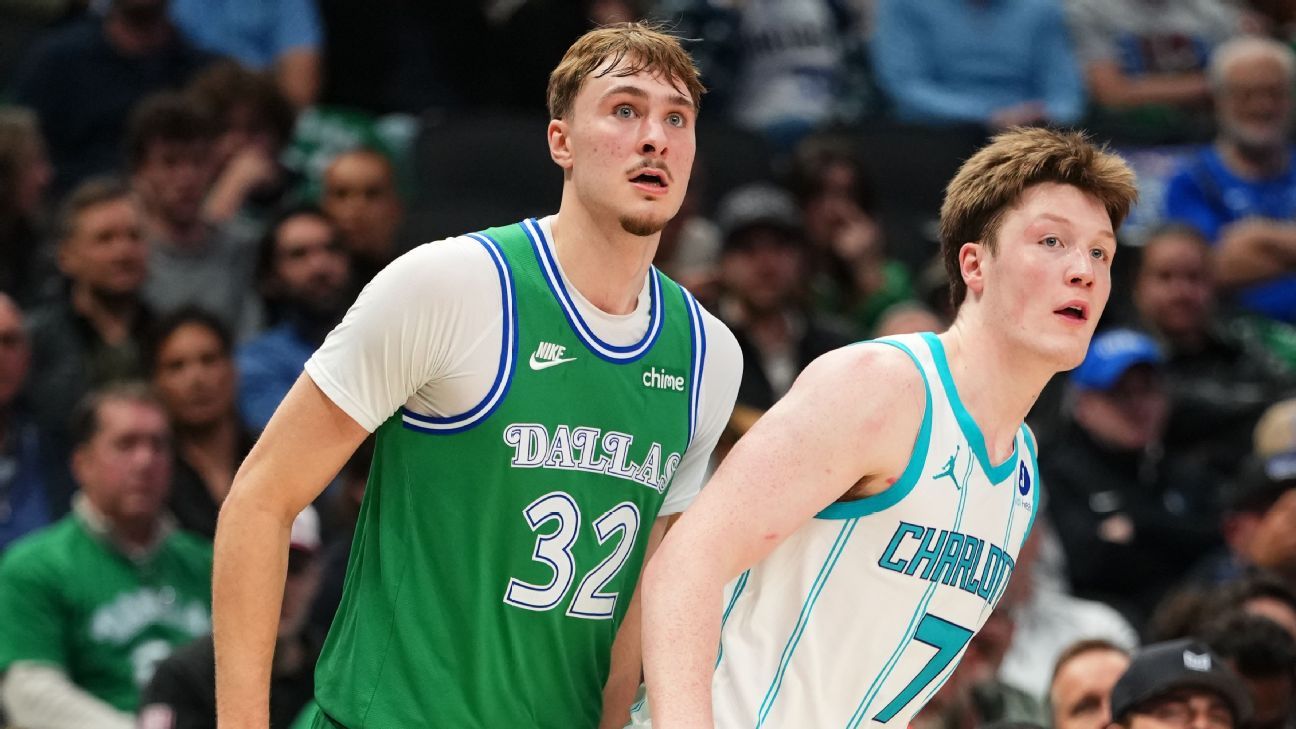
The NBA’s administrative decision to uphold eligibility challenges by Luka Doncic and Cade Cunningham represents a foundational shift in the league’s governance. By bypassing the rigid 65-game participation mandate established in the current Collective Bargaining Agreement (CBA), the league has transitioned from a strict quantitative requirement to a model of qualitative administrative review. This precedent suggests that elite performance can, under specific institutional scrutiny, supersede the ‘availability’ metrics intended to curb load management, effectively creating a rebuttable presumption for star-level exceptions.
For the Dallas Mavericks and Detroit Pistons, this ruling mitigates significant fiscal volatility. Award eligibility serves as the primary trigger for ‘Supermax’ extensions and designated player exceptions, which dictate a franchise’s long-term salary cap elasticity. Had the 65-game threshold remained an absolute barrier, these organizations would have faced a ‘contractual cliff,’ losing the leverage of official league honors in high-stakes negotiations regarding player valuation and franchise retention.
The Voting Panel as De Facto Capital Adjudicators
As the 100-member voting panel submits their ballots, the intersection of media narrative and financial reality becomes stark. These journalists and broadcasters act as de facto adjudicators of hundreds of millions of dollars in potential earnings. The reliance on advanced metrics—interpreted through a lens of marketability and competitive utility—highlights the professionalization of the voting process. This analytical rigor is no longer a luxury; it is a necessity for maintaining the integrity of an awards system that functions as a talent-grading mechanism for the trade market.
Inclusion in All-NBA teams provides a clear signal to the market, rewarding franchises with competitive advantages in retention through higher salary tiers. Consequently, the 100 voters wield institutional power that extends far beyond the sports media landscape, directly influencing the distribution of capital across the league’s thirty franchises and shaping the economic hierarchy of the modern era.
MVP Hierarchy and the Global Market Signal
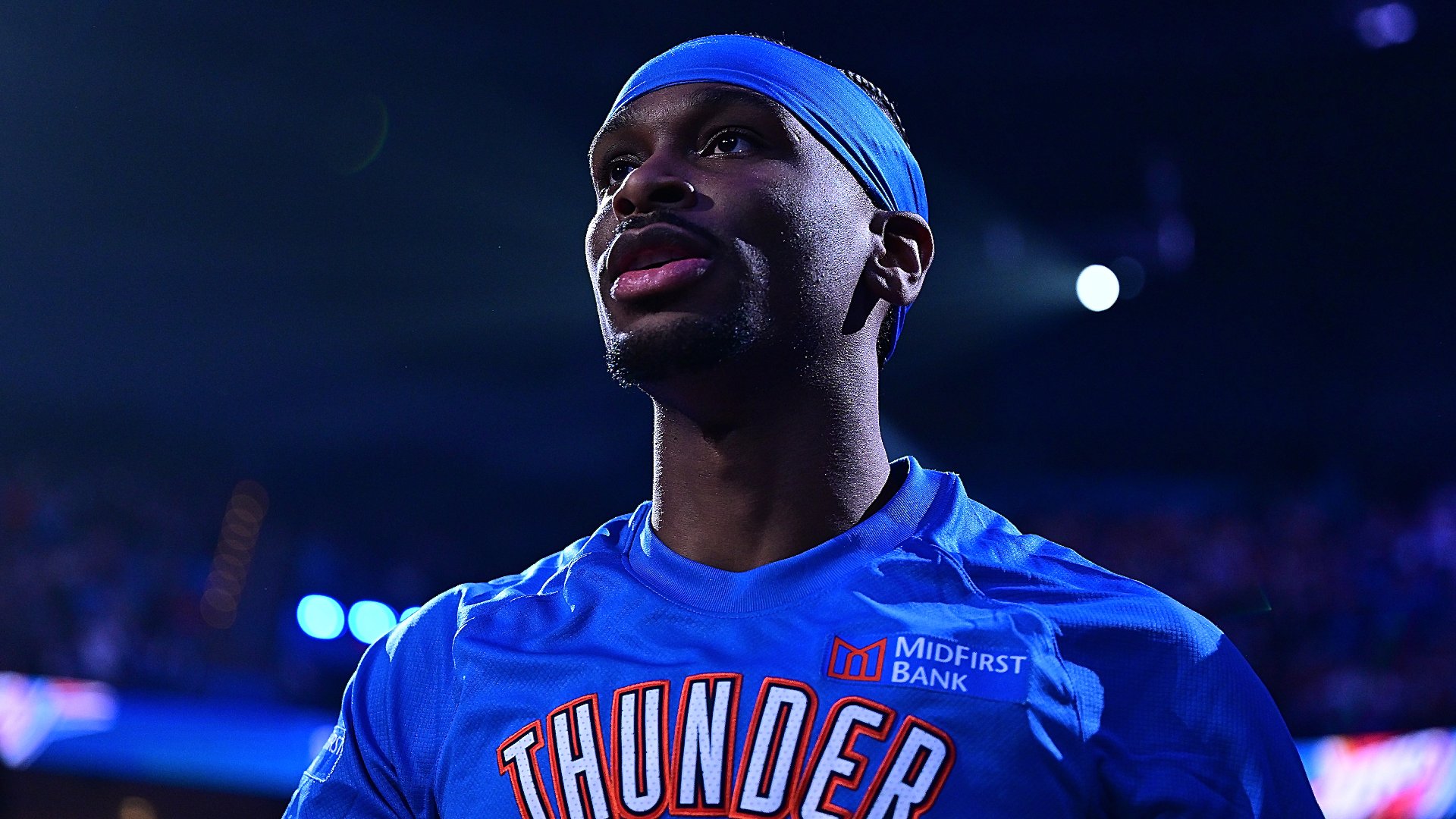
Shai Gilgeous-Alexander’s ascendancy in the MVP race indicates a stabilization of the NBA’s star hierarchy following a period of generational transition. Securing a second MVP award would place him among the top 16 players in history, fundamentally altering his career trajectory and global brand equity. For the Oklahoma City Thunder, this achievement validates a multi-year strategy of aggressive asset accumulation, providing a high-performance floor that drives regional sponsorship and global broadcasting interest.
The dominance of international talents like Nikola Jokic and Luka Doncic alongside Gilgeous-Alexander underscores the league’s successful expansion into global markets. This trend has profound implications for upcoming broadcasting rights negotiations, as the NBA’s most marketable assets are increasingly untethered from domestic US demographics. The MVP race thus serves as the primary narrative engine, sustaining high-level viewer engagement through the conclusion of the regular season.
Labor Implications and the Future of the CBA
The successful challenges by Doncic and Cunningham will likely serve as the primary friction point in future labor negotiations between the NBA and the NBPA. The league’s willingness to grant exceptions acknowledges that the current participation rules may be too blunt an instrument for the physical realities of an 82-game season. Both sides must now determine if the 65-game rule has fulfilled its intent of increasing star availability or if it has merely introduced a new layer of administrative complexity.
If the rule is perceived as inconsistently applied, the NBPA will likely push for a lower threshold or more transparent injury exception criteria. Conversely, the league office may seek to tighten the appellate process to ensure the mandate remains a meaningful deterrent against excessive rest. The 2026 awards cycle will therefore be studied as a critical case study in how the NBA balances labor harmony with the commercial necessity of presenting its best product to global media partners.