Mets’ Performance Crisis Exposes Strategic Vulnerability and Financial Risk
The New York Mets’ recent performance trajectory, marked by a documented eight-game losing streak and a 7-12 record, has highlighted significant operational and strategic vulnerabilities within the organization. The current crisis places immediate pressure on the team’s high-value roster and management structure, challenging the efficacy of substantial capital investments. The upcoming series against the Chicago Cubs, where the Mets enter as underdogs, serves as a critical test of the team’s ability to stabilize operations and mitigate compounding financial and reputational damage.
Asset Underperformance and Systemic Vulnerability
The core issue facing the Mets is the significant underperformance of high-cost offensive assets. The team’s severe scoring drought, yielding only three runs over its last 38 innings, directly challenges the return on investment (ROI) from key player acquisitions. Specific struggles from high-value players exemplify this strategic failure: Francisco Lindor, a high-value superstar, is batting .184, while Bo Bichette holds a .228 average. The hitless streak of Luis Robert Jr. further compounds the offensive deficiencies, suggesting that individual underperformance is symptomatic of a broader systemic issue rather than isolated incidents.
The strategic decision to build around a few high-value players creates inherent fragility, as evidenced by Juan Soto’s absence due to a strained calf. Soto, described as the team’s “biggest bauble,” represents a critical component of the offensive strategy. His injury forces the team to rely more heavily on underperforming assets, highlighting a lack of depth and resilience in the lineup. This roster construction creates a high-risk scenario where the failure of one or two key components can lead to systemic collapse.
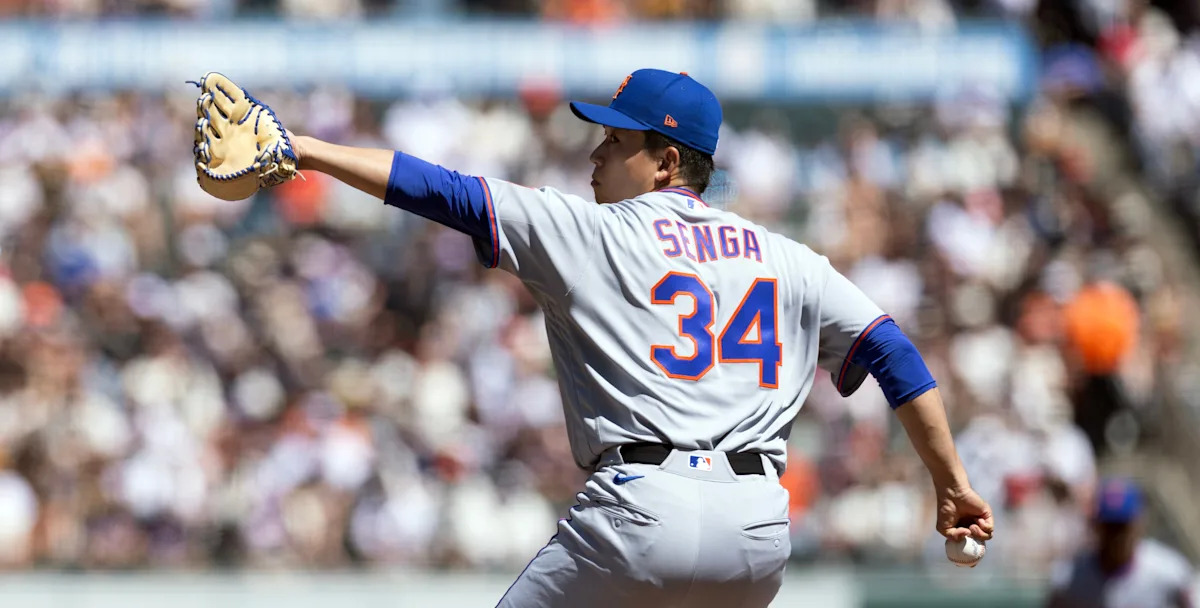
This offensive breakdown creates a cascading effect on other aspects of the team, particularly the pitching staff. The upcoming pitching matchup against the Cubs illustrates this operational challenge. Kodai Senga, starting for the Mets, carries a 7.07 ERA, while opposing pitcher Edward Cabrera holds a strong 1.62 ERA. Senga’s performance metrics suggest instability in the starting rotation. The combination of an offensive drought and pitching instability places the Mets at a severe competitive disadvantage, forcing the team to seek exceptional individual performances to compensate for systemic weaknesses.
Strategic Implications and Competitive Leverage
The Mets’ struggles have significant strategic implications for their competitive positioning. The recent series sweep by the Dodgers, where Shohei Ohtani dominated the Mets’ offense while pitching, highlights a competitive gap between the Mets and top-tier organizations. The strategic failure to generate consistent offense against elite pitching suggests a fundamental flaw in the team’s offensive approach or roster composition. The Mets’ inability to score more than two runs in seven of their eight losses indicates a lack of adaptability and resilience under pressure. This impacts the team’s long-term strategic trajectory and raises questions about coaching and development methodologies.
The pressure on management is amplified in high-stakes environments where high-cost teams underperform. Manager Carlos Mendoza’s statement, “Guys have got to start playing better. It’s as simple as that,” carries significant institutional weight. It signals an awareness of accountability and suggests an understanding of the potential consequences if the team fails to reverse its trajectory. This institutional dynamic influences strategic decision-making within the organization as management seeks to demonstrate accountability and restore confidence in the team’s direction.
Financial Risk and Market Dynamics
The financial implications of the Mets’ performance slump extend beyond immediate game outcomes. The underperformance of high-value assets like Lindor and Bichette creates direct financial risk for the organization, as the ROI for these contracts is currently not being realized. A prolonged period of underperformance reduces the value of these assets and impacts future revenue streams. The strategic decision to invest heavily in these players assumes a certain level of performance leverage, which is currently absent.
Market sentiment, reflected in betting odds, indicates a loss of confidence in the team’s ability to perform. This market devaluation can affect future betting lines, media rights valuations, and sponsorship deals. The media narrative surrounding the team further amplifies institutional pressure and affects fan engagement metrics. The need to manage this narrative adds another layer of complexity to the strategic challenges facing the organization, requiring media management efforts to mitigate brand value erosion.
The Mets must strategically recalibrate to reverse their current trajectory. The immediate challenge is to stabilize performance and regain clubhouse confidence. The long-term challenge involves re-evaluating the effectiveness of current roster construction and management strategy. The potential consequences of continued failure include significant changes in management and roster composition. The organization’s ability to navigate this period of crisis will determine its long-term competitive positioning and financial stability.