
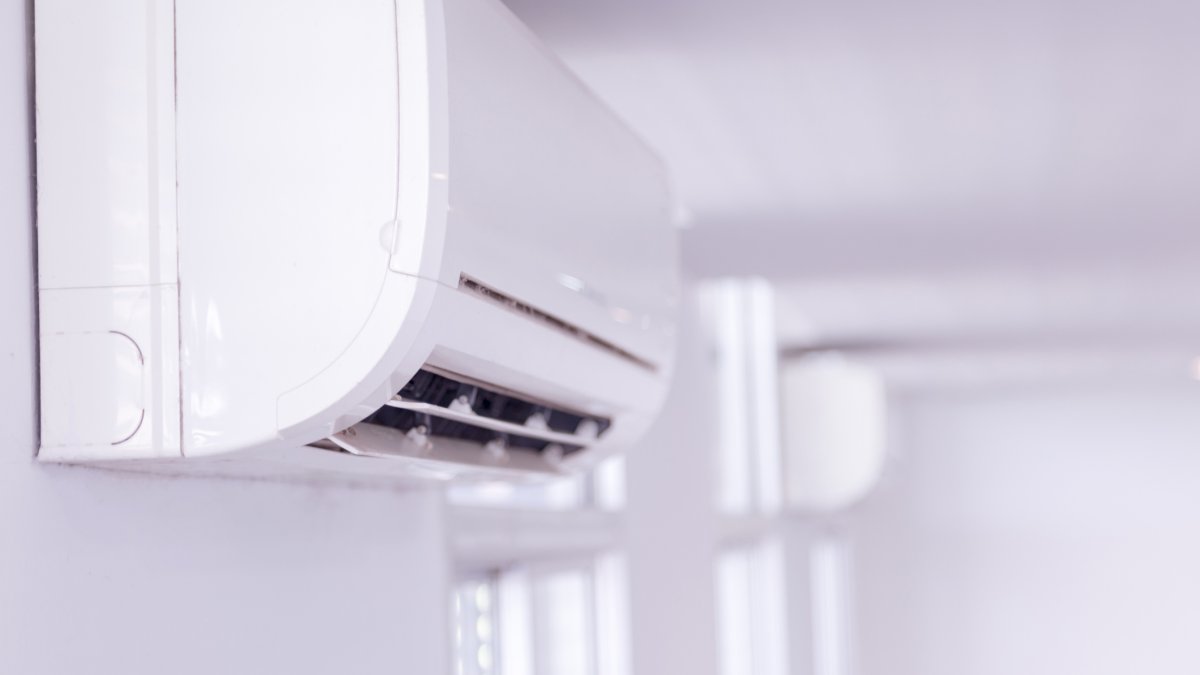
The activation of the 2024 Cooling Assistance Benefit on April 15 signifies an evolution in New York State’s public health policy, transitioning residential cooling from a lifestyle amenity to a critical life-safety utility. This program serves as a targeted socio-economic intervention, designed to bolster infrastructure resilience for vulnerable populations facing increasing thermal volatility.
Fiscal Architecture and Procurement Standards
The program’s financial framework is dictated by specific procurement ceilings that balance equipment quality with labor costs. A cap of $800 is established for standard window or portable units, covering both hardware and professional installation. For dwellings featuring existing wall sleeve infrastructure, the benefit increases to $1,000, reflecting the heightened technical complexity and labor requirements associated with through-the-wall integration. This tiered funding structure acknowledges the architectural diversity of New York’s housing stock while maintaining strict fiscal oversight.
To maximize resource distribution, a single-unit-per-household mandate is enforced. This rationing strategy prioritizes the creation of a ‘cool room’ sanctuary—a baseline thermal safety zone—over comprehensive climate control. By limiting the scope of the benefit, the state ensures that a broader demographic can access essential relief within the constraints of the annual budget.
Operational Integration and Lifecycle Management
A distinctive feature of this benefit is the comprehensive inclusion of professional labor. By centralizing installation, the state mitigates risks associated with structural damage, electrical overloads, and personal injury inherent in DIY setups. Furthermore, the provision for ‘minor repairs’ ensures that deteriorating residential infrastructure does not disqualify high-risk households from receiving aid.
The scope also encompasses the decommissioning and removal of non-functional units. This proactive approach to waste management prevents the accumulation of hazardous electronic materials and ensures that new, energy-efficient systems are not compromised by proximity to obsolete hardware. In instances where architectural or electrical constraints preclude AC installation, the program provides high-velocity fans as a pragmatic secondary mitigation strategy, ensuring no eligible applicant is left without thermal relief.
Systemic Impacts on Public Health and Economy
Beyond immediate residential comfort, the program functions as a preventative measure for the state’s healthcare system. By reducing heat-related morbidity in high-risk demographics—defined by gross monthly income and specific health indicators—the state decreases the seasonal burden on emergency medical services. This targeted safety net is synchronized with an April launch to secure equipment inventory and contractor availability before peak summer demand distorts market pricing.
Long-term, the Cooling Assistance Benefit drives the modernization of residential energy use. Replacing inefficient, legacy units with state-vetted hardware contributes to grid stability during peak load periods. For the HVAC sector, the program provides a predictable, high-volume revenue stream, albeit one that requires contractors to operate within lean margins to meet the state’s stringent fiscal caps.

Photo by C1ri on Pixabay.