Strategic Implications of the Yankees-Angels Series
The mid-April series between the New York Yankees and the Los Angeles Angels illustrates the operational challenges defining the 2026 Major League Baseball season. With both franchises contending with early-season parity, success is increasingly dictated by pitching management and the organizational ability to mitigate injury-related volatility.
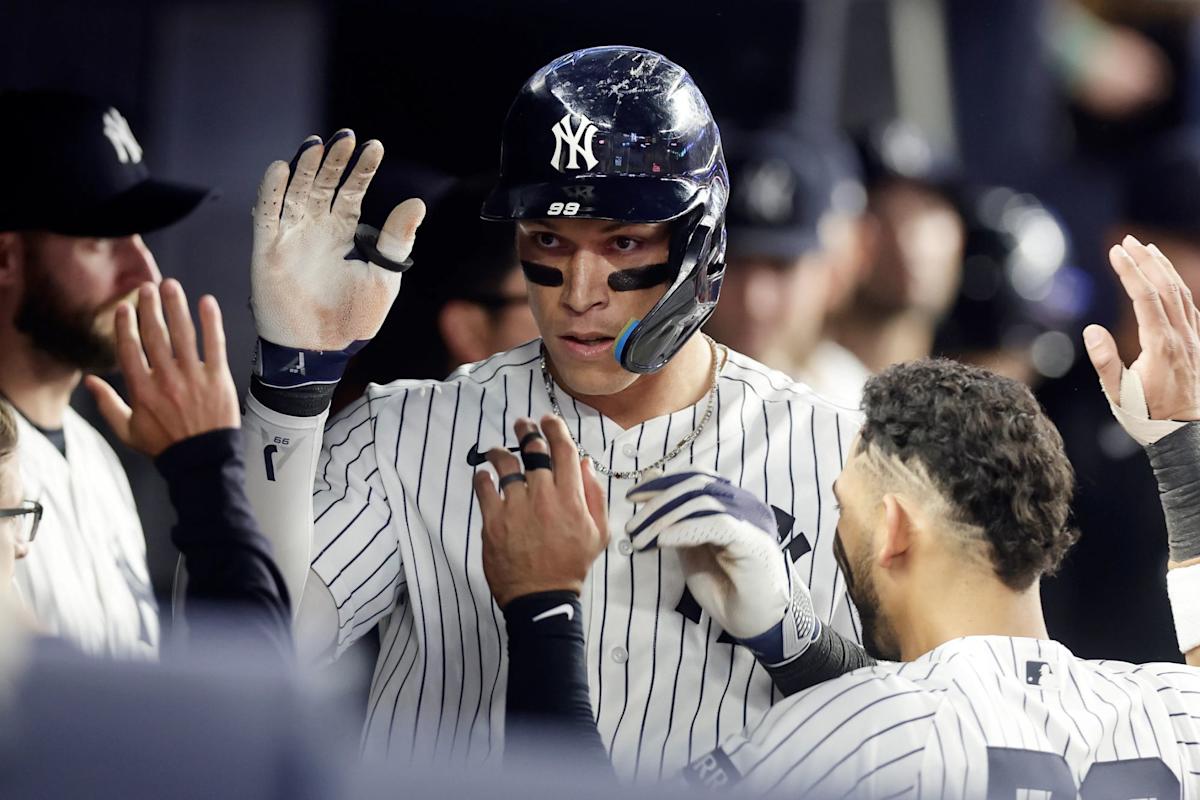
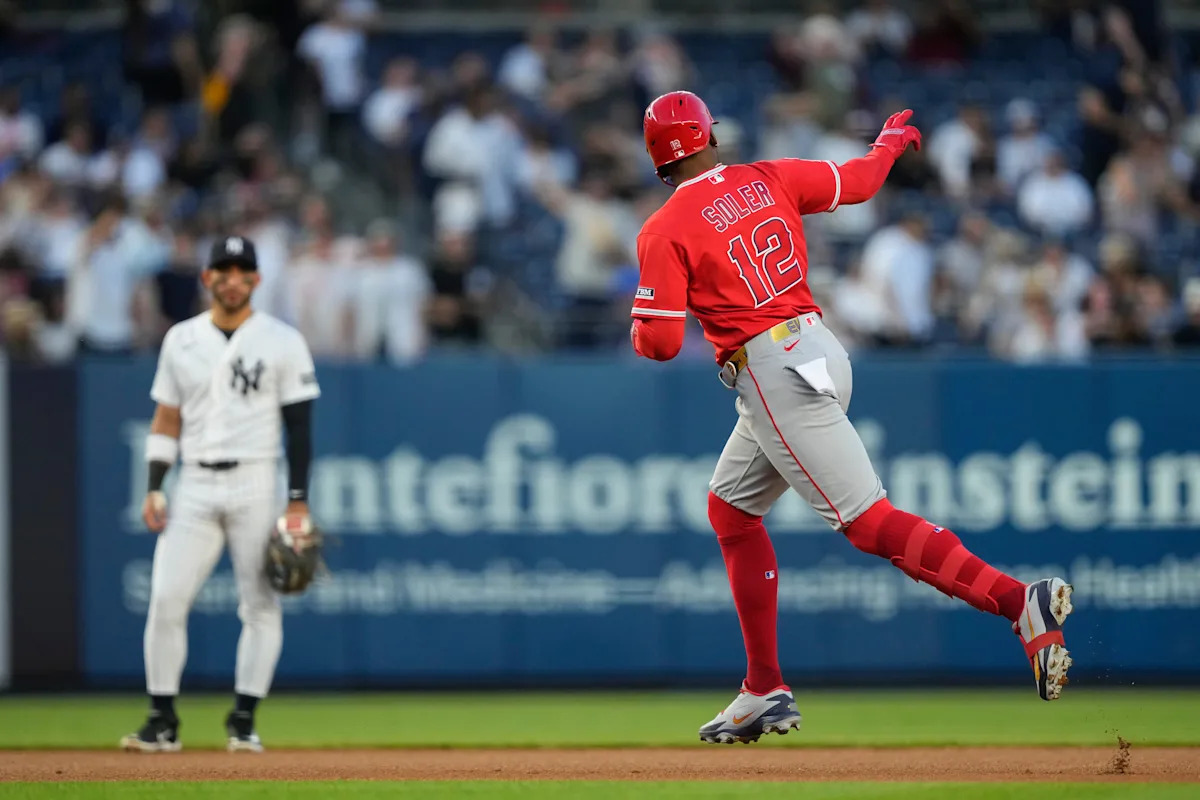
The Angels’ recent offensive surge—highlighted by three consecutive home runs—serves as a tactical stress test for the Yankees’ defensive staff. This performance underscores the high-variance reality of modern baseball, forcing a shift in how secondary rotation members, such as Jack Kochanowicz and Luis Gil, are utilized to maintain divisional competitiveness during the prolonged regular season grind.
Pitching Depth as Institutional Risk
The Yankees currently face significant institutional pressure to stabilize their rotation following injuries to Gerrit Cole and Carlos Rodon. Luis Gil’s 6.75 ERA symbolizes this period of heightened performance risk. In contrast, the Angels’ deployment of Jack Kochanowicz—boasting a 2-0 record and a 3.24 ERA—highlights the strategic advantage of developing internal depth. These contrasting metrics reflect diverging organizational philosophies regarding roster construction and long-term risk management.
Financial Gamification and Prediction Markets
The rise of prediction markets like Kalshi represents a pivotal shift in sports fan engagement. By enabling financial speculation on specific game outcomes, these platforms transform sports data into investable assets. This trend suggests a strategic alignment between sports media entities and fintech providers, aiming to monetize fan behavior through real-time analytics. Such integration prompts critical questions regarding the influence of financial incentives on the perceived integrity and consumption patterns of professional sports.
Media Fragmentation and Consumption
The multi-platform distribution of this series across Amazon Prime Video, FanDuel Sports Network West, and ESPN+ highlights the structural transformation of sports media. This fragmentation necessitates a more complex consumer experience, often requiring navigation across disparate subscription models. As media rights strategies pivot toward digital-first environments, the quality of real-time data integration has become a primary differentiator for audience retention and market penetration.
Economic Parity and Strategic Planning
Both teams currently occupy third place in their respective divisions, illustrating a competitive parity that complicates long-term strategic planning. While such parity sustains high fan engagement, it forces organizations to weigh immediate win-maximization against sustainable roster development. Betting market data, specifically the Yankees’ 63.9% moneyline probability, confirms this uncertainty, as oddsmakers adjust for high-variance variables including stadium conditions and volatile player performance.
The Evolution of Baseball Operations
The Yankees-Angels series serves as a case study for the modernization of baseball operations. The reliance on algorithmic decision-making has become the baseline for competitive success. As the 2026 season progresses, the organizations capable of pivoting strategies, optimizing roster depth, and leveraging innovative financial and media distribution channels will define the next phase of institutional growth in professional baseball.