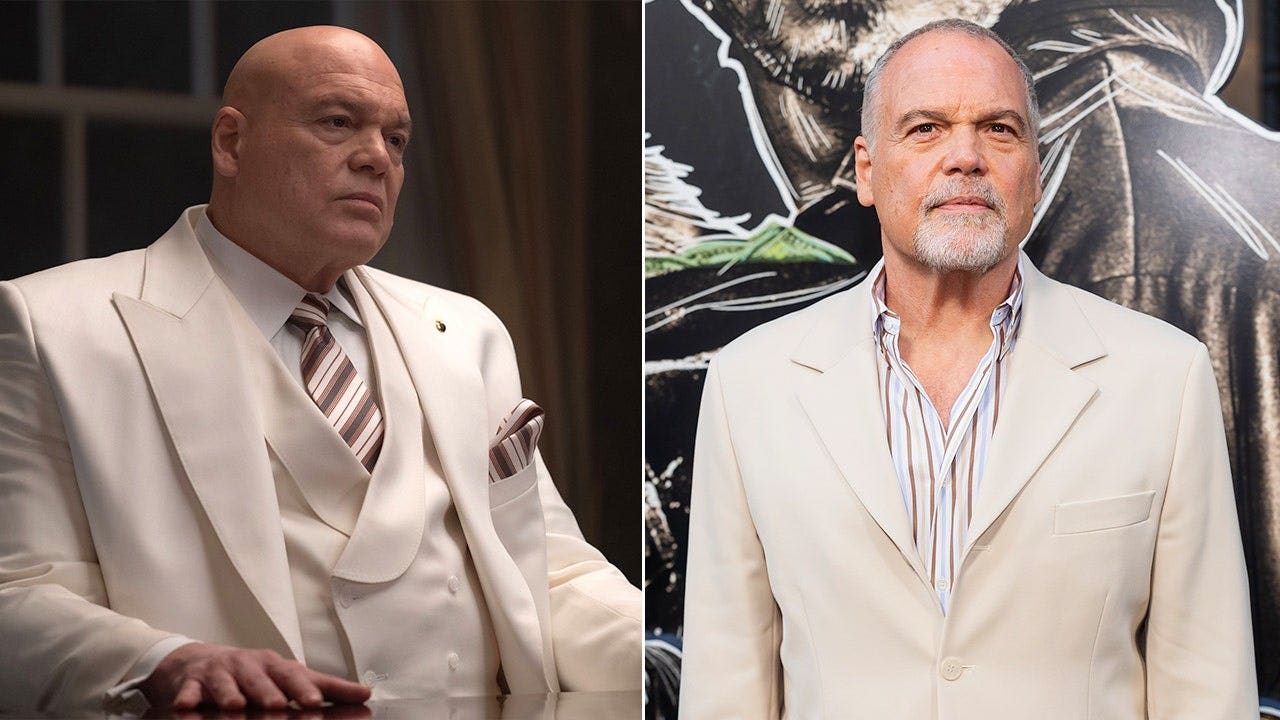
Vincent D’Onofrio, the actor celebrated for his portrayal of Marvel’s formidable antagonist Kingpin across various series, has announced a cessation of the extreme physical transformations previously required for the role. This decision, directly linked to significant health considerations, signals a pivotal shift in character interpretation and the operational demands placed on actors in physically intensive roles.
Health Imperatives and Performance Sustainability
D’Onofrio’s public statements highlight the cumulative physiological toll of repeatedly altering his body weight for the Kingpin character. He explicitly described the unsustainable burden of “taking it on, putting it back on and blah, blah, blah,” indicating that continued extreme weight fluctuations are medically inadvisable. This has direct implications for the long-term feasibility of casting and maintaining actors in roles demanding such drastic physiological changes, particularly within ongoing franchise narratives.
The actor’s current reliance on specialized suits, including a “big fat suit, muscle suit thingy,” for the Kingpin role exemplifies a strategic adaptation to mitigate physical strain. While this approach prioritizes D’Onofrio’s immediate health and comfort, it also reflects a broader industry trend towards utilizing advanced costume design and practical effects to achieve character physicality, potentially reducing the necessity for extreme actor physical conditioning and impacting production resource allocation.
Strategic Implications for Franchise Management
Marvel Studios and Disney+ face strategic considerations arising from D’Onofrio’s announcement. The Kingpin character, a central figure in the Daredevil universe and a significant presence in potential MCU projects, is closely associated with D’Onofrio’s imposing physique. The actor’s inability to undergo further extreme weight changes necessitates a strategic re-evaluation: adapting the character’s visual presentation to D’Onofrio’s current physical state, exploring alternative casting, or fundamentally altering the character’s on-screen presence.
This situation prompts a critical examination of long-term character development strategies within the Marvel Cinematic Universe. For franchises heavily reliant on iconic actor performances tied to specific physical attributes, like Kingpin, the sustainability of such portrayals becomes paramount. Studios must balance the established brand equity of an actor’s performance with the operational realities of performer health and the potential for long-term continuity, influencing future casting decisions and production planning.
Industry-Wide Impact on Actor Well-being and Production Models
D’Onofrio’s candid disclosure concerning his health challenges brings renewed focus to the often-unseen physical sacrifices made by actors. The description of the Kingpin costume as “hot and tight,” covering him extensively, further illustrates the demanding conditions performers can endure. This insight serves as a critical case study for the entertainment industry, potentially informing labor negotiations, health and safety protocols, and ethical standards regarding extreme physical demands placed on talent.
The increasing reliance on sophisticated suit technology, as adopted by D’Onofrio, indicates a potential evolution in production methodologies. This shift could lead to increased investment in advanced costume engineering and digital augmentation techniques, providing a viable path for actors to maintain their health while still delivering visually compelling performances. Such advancements may also broaden the accessibility of physically demanding roles to a more diverse range of actors, thereby reducing the pressure for extreme body modifications.
Evolution of Character Portrayal and Performance Artistry
D’Onofrio’s commitment to the Kingpin role, spanning from the Netflix series “Daredevil” (2015-2018) through subsequent appearances in “Hawkeye,” “Echo,” and the upcoming “Daredevil: Born Again,” represents over a decade of dedication. His current preference for specialized suits over personal weight fluctuations signifies a maturation in his performance approach, prioritizing career longevity and well-being. This contrasts with the more intense, method-driven physical transformations of his earlier work as the character.
This evolution in D’Onofrio’s performance strategy aligns with a broader discourse in the acting profession regarding the equilibrium between authentic physical embodiment and sustainable artistic practice. It raises questions about whether the most impactful character portrayals stem solely from an actor’s direct physical alteration or if advanced artistry in costume, makeup, and performance can achieve comparable results without compromising an actor’s health.
Financial and Resource Allocation in Franchise Management
From a financial standpoint, D’Onofrio’s adaptive strategy may influence resource allocation within franchise management. If studios continue to leverage actors who opt for suit-based transformations, there could be a strategic reallocation of funds from actor-specific physical training and dietary regimens towards the development of advanced costume and special effects. This represents a potential cost-saving measure in certain areas, balanced by necessary investments in new technological capabilities.
Moreover, the long-term financial stability of a franchise is intrinsically linked to the sustained availability of its key performers. By prioritizing D’Onofrio’s health, Marvel and Disney+ are making a strategic investment in his continued participation, albeit in a modified capacity. This approach may prove more economically prudent than the potential costs associated with recasting a central character or managing prolonged production disruptions due to actor health issues.
Legacy and Future of Physically Demanding Roles
Vincent D’Onofrio’s decision marks a significant point in the legacy of his Kingpin portrayal and has potential implications for the future of physically demanding roles in Hollywood. His willingness to adapt his performance methodology, prioritizing health over extreme physical alteration, establishes a precedent for other actors facing similar pressures.
The industry may witness an increased emphasis on ethical performer treatment and a more nuanced understanding of character embodiment. This could foster more sustainable production practices that mitigate undue physical stress on actors, promoting longer and healthier careers in roles requiring significant physical commitment.