
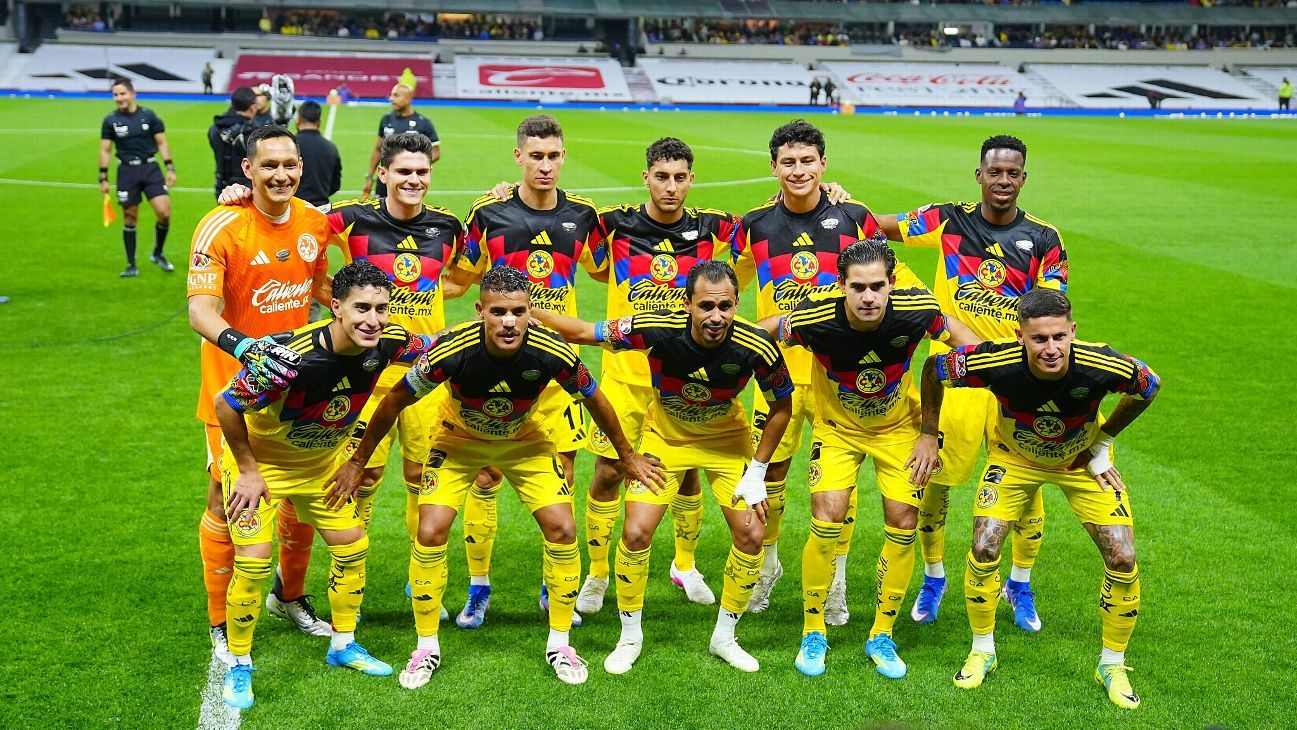
The upcoming quarterfinal return leg between Club América and Nashville SC is a definitive stress test for André Jardine’s tactical framework. Following a 0-0 draw at Geodis Park, the strategic landscape has shifted toward a high-variance environment. While the clean sheet provides a foundation, the failure to secure an away goal forces América into a precarious defensive posture where any concession at home carries a compounded penalty under tournament tie-breaking mechanics.
The Strategic Volatility of the 0-0 Draw
The scoreless first leg fundamentally alters the risk profile for the second leg. Nashville SC, currently leading the MLS Eastern Conference with 16 points, thrives in reactive scenarios. Their domestic record—five wins and only one defeat in seven matches—underscores a level of defensive cohesion designed to exploit tactical overextensions. By neutralizing América’s offensive assets in Tennessee, Nashville demonstrated a capacity to absorb pressure, a blueprint they intend to replicate to trigger América’s mounting institutional desperation.
For the home side, the objective is to dismantle a narrative of international underperformance spanning six consecutive tournaments. The absence of an away goal means América cannot rely on a scoring draw; they must secure an outright victory to avoid elimination. This dynamic forces Jardine into a balancing act: maintaining an aggressive offensive line while shielding against the counter-attacking efficiency that has defined Nashville’s recent success.
Institutional Mandates and the ‘Jardine’ Factor
This fixture serves as a referendum on América’s ability to convert domestic investment into continental prestige. Previous exits in the 2024 and 2025 editions of the Concacaf Champions Cup have intensified the pressure on the coaching staff. The internal mandate at Coapa requires more than advancement; it demands a restoration of the club’s identity as a regional powerhouse. A failure here would likely trigger a comprehensive reevaluation of the current sporting project, given the capital-intensive nature of the squad.
Compounding this pressure is a significant personnel deficit. The reported absence of a key starter disrupts established patterns of play, particularly those used to break down the low-block defenses Nashville employs. Jardine’s public warnings suggest an awareness of this vulnerability, placing a premium on the squad’s depth and the ability of rotational players to integrate into a high-consequence environment without compromising structural integrity.
Domestic Context and Regional Parity
América’s current Liga MX standing adds a layer of complexity. Occupying seventh place after 14 rounds, the club is currently entangled in a congested race for Liguilla positioning alongside León and Atlas. This lack of sustained domestic dominance, punctuated by a recent draw against Cruz Azul, suggests a team struggling with the physical and mental fatigue of a dual-competition calendar. Nashville, by contrast, arrives with the psychological cushion of domestic leadership, allowing them to approach the away leg with tactical clarity.
The outcome also carries implications for the broader Liga MX vs. MLS rivalry. Nashville’s technical maturity reflects the closing gap in regional parity. A defeat for América at home would be viewed as a blow to the perceived hierarchy of Mexican football, impacting the league’s brand value. Ultimately, the match at Estadio Banorte is a study in risk management: Nashville will prioritize defensive shape and transitions, while América must penetrate a disciplined backline without falling into the away-goal trap.
Photo by Michelle_Pitzel on Pixabay.