Organizational Continuity in Professional Athletics
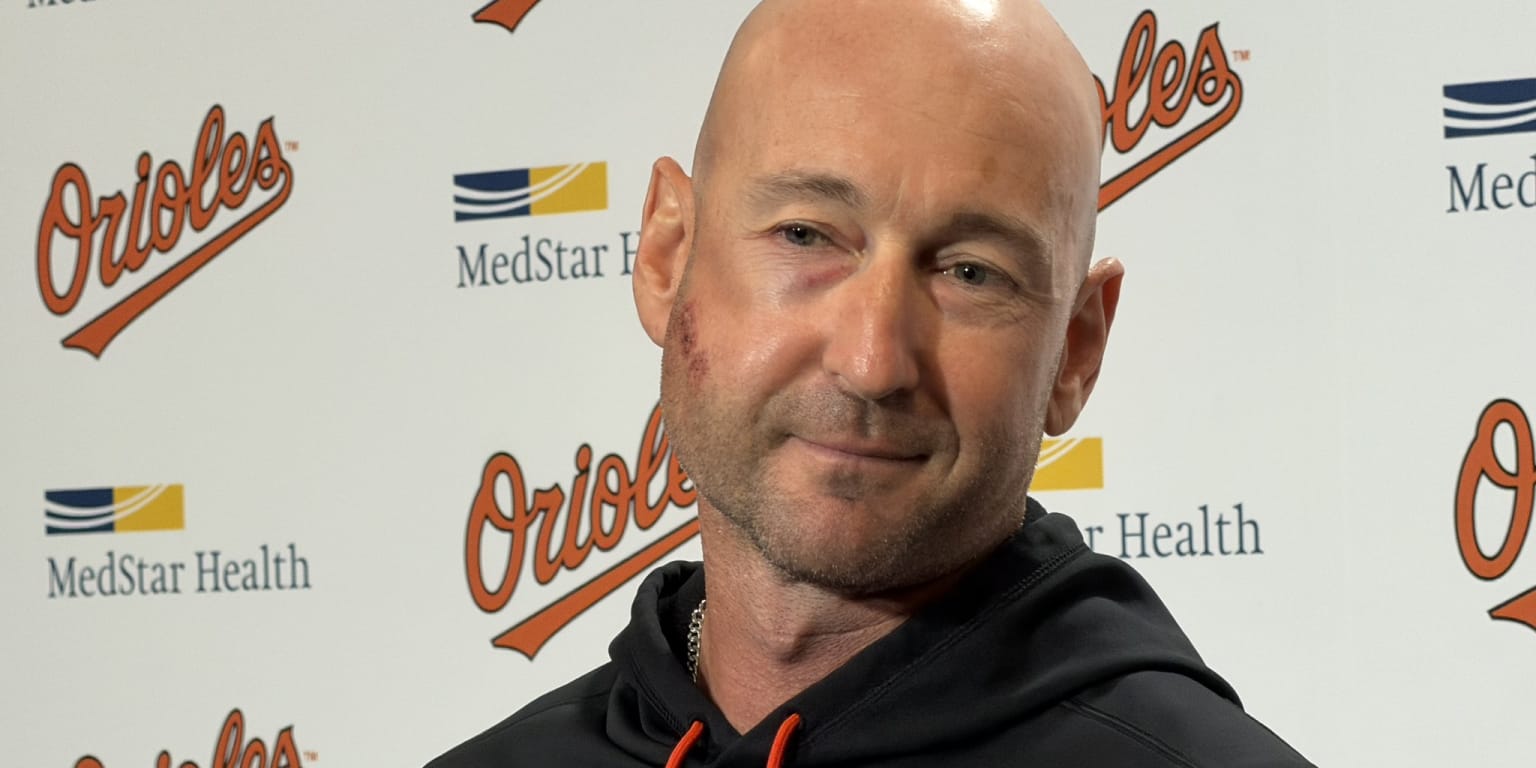
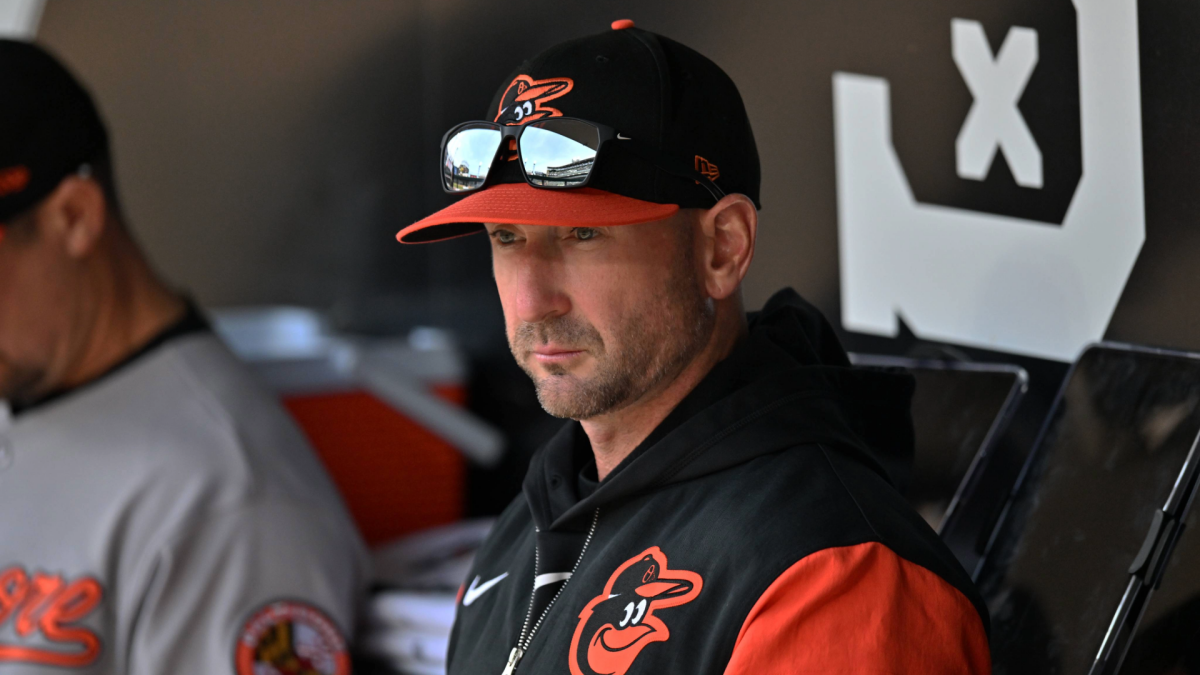
Baltimore Orioles manager Craig Albernaz’s return to the dugout less than 24 hours after sustaining seven facial fractures and a broken jaw illuminates the rigid operational requirements of Major League Baseball. In a high-performance ecosystem defined by a relentless schedule, consistent leadership is a vital variable in maintaining organizational momentum.
Albernaz’s prompt return, despite significant physical trauma, reflects the institutional expectations inherent in professional sports franchises. By bypassing an extended recovery period, Albernaz has prioritized team stability during a critical competitive window, characterized by the Orioles securing six wins in their last seven games.
The Intersection of Personal Risk and Institutional Performance
The incident, occurring during a contest against the Arizona Diamondbacks, underscores the persistent physical hazards within the professional dugout. While modern stadium design has improved, the proximity of personnel to high-velocity projectiles remains an unavoidable operational risk factor.
The rapid reintegration of a key decision-maker acts as a psychological catalyst for the roster. By prioritizing the team’s ongoing objectives over personal recuperation, leadership reinforces core organizational values of resilience and task-focus—traits essential for sustained success in elite leagues.
Strategic Management of Team Dynamics
The team’s comeback win against the Diamondbacks, punctuated by Jeremiah Jackson’s performance, highlights the volatility of competitive outcomes. Successful franchise management integrates individual heroics with broader team strategy, where the manager functions as the focal point for both tactical execution and morale.
Albernaz’s interaction with Jackson—an embrace following the grand slam—effectively mitigated potential player distraction. By neutralizing the emotional weight of the errant ball, the manager ensured the team’s focus remained on the competitive objective rather than the incident itself.
Medical Management and Institutional Adaptability
The medical assessment, which confirmed that surgery was not required, facilitated the manager’s swift return to daily operations. This outcome demonstrates the critical role of immediate clinical evaluation in minimizing disruptions to the team’s strategic trajectory.
While the manager faces functional limitations—including a restricted diet and prohibitions on specific physical activities—the organizational structure has successfully adapted to accommodate these constraints. This demonstrates a high degree of institutional elasticity, ensuring that leadership presence remains constant despite temporary physical impairment.
Long-term Stability and Professional Dedication
The media narrative surrounding this incident resonates with broader themes of professional dedication within high-stakes environments. For the Orioles, maintaining a consistent leadership presence is essential for sustaining their current winning trend. The seamless management of this disruption serves as a case study in the robust framework required to withstand unforeseen operational challenges, providing a foundation for continued performance as the season progresses.