Analyzing the Vulnerability of Regional Distribution Networks
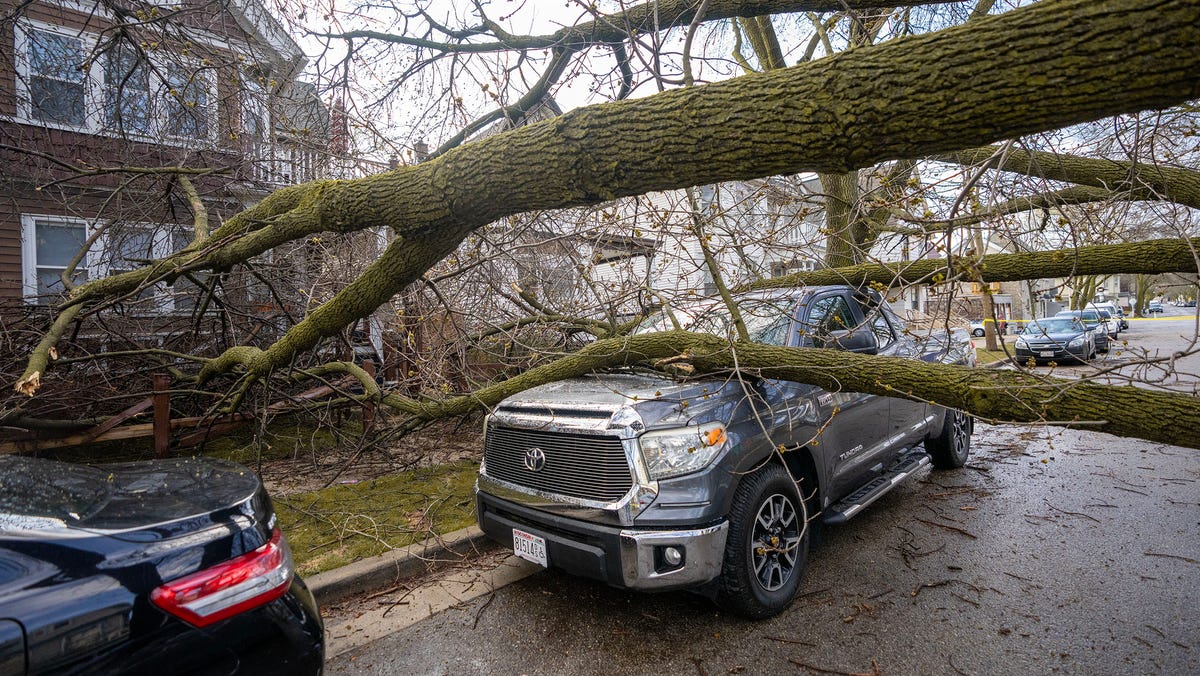
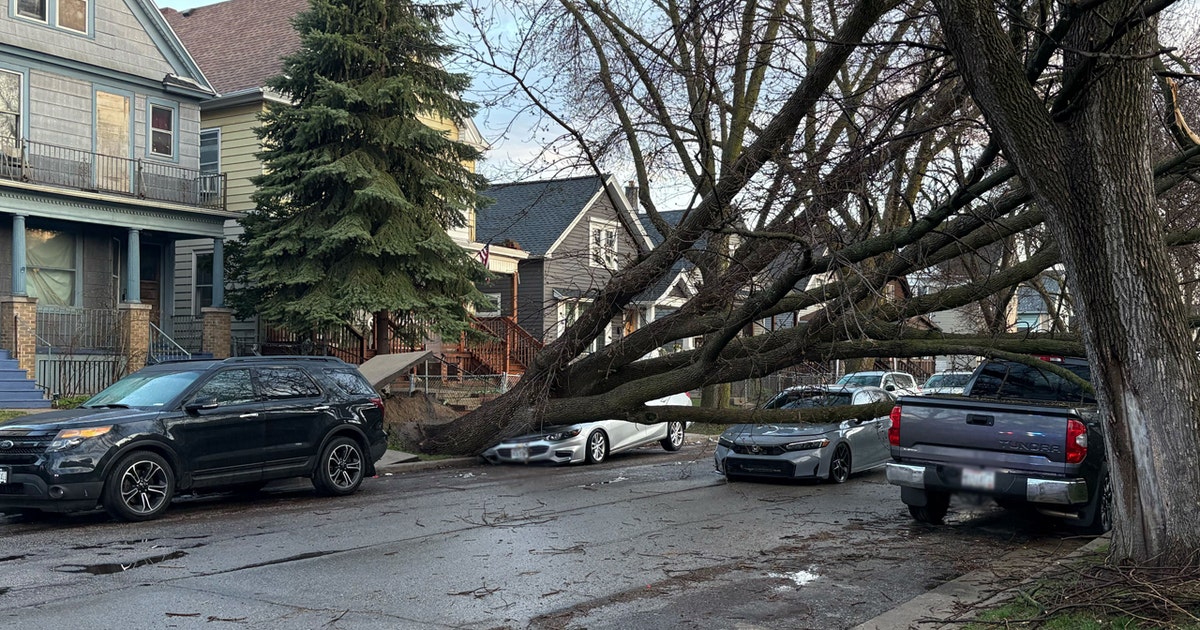
The severe weather of April 14, 2026, in southeast Wisconsin provides a clear data point regarding the fragility of aging electrical distribution networks. The physical damage—specifically downed timber compromising power poles—illustrates the structural inadequacy of current utility hardware when faced with sustained high-wind events. This failure highlights the necessity of shifting the utility management paradigm from reactive emergency maintenance to proactive, systemic reinforcement.
Operational Efficacy and Restoration Metrics
For providers such as We Energies, the immediate surge in demand for repair services demonstrates the efficiency of established load-balancing protocols. With over 51,000 customers initially de-energized, the restoration of 45,000 accounts by mid-afternoon on Tuesday reflects a successful utilization of existing response frameworks. However, these metrics also underscore a dependence on manual field interventions, which are inherently limited by physical access constraints, such as the debris-clogged thoroughfares observed on South 20th Street.
The Economic Argument for Grid Hardening
The financial ripple effects of prolonged outages suggest that the status quo of capital expenditure is no longer sustainable. Business productivity, educational continuity, and local municipal operations are increasingly susceptible to grid volatility. Consequently, stakeholders must weigh the immediate cost of infrastructure upgrades—such as subterranean cabling or reinforced lattice structures—against the long-term economic drain of intermittent service, property damage, and regulatory penalties associated with service reliability failures.
Technological Integration and Risk Mitigation
Modern utility management is shifting toward a reliance on predictive analytics and digital transparency. By integrating real-time outage tracking and automated grid monitoring, utilities can shorten the ‘mean time to repair’ (MTTR). This digital evolution is critical for institutional preparedness; as seen with regional programs like Dane County’s Severe Weather Awareness Week, data-driven communication is now as fundamental to grid resilience as the copper and steel infrastructure itself.
Regulatory and Competitive Pressure
In the mid-2020s, regulatory environments are increasingly punitive toward extended outages, making infrastructure stability a core competitive metric. For We Energies, maintaining the trust of both regulators and the public requires a demonstrable commitment to reliability. As climate volatility persists, the ability to anticipate failure points through advanced modeling will distinguish high-performing utilities from those hindered by legacy infrastructure limitations, ultimately dictating the future of regional energy security.