The upcoming fixture between Chennai Super Kings (CSK) and Kolkata Knight Riders (KKR) at the MA Chidambaram Stadium represents a pivotal juncture in the 2026 Indian Premier League season. For the Chennai franchise, this match offers a crucial opportunity to consolidate early momentum and reinforce their playoff aspirations after a stabilizing victory. Conversely, the Kolkata Knight Riders approach this contest under intense organizational scrutiny, still actively seeking their inaugural win amidst mounting internal and external critiques regarding their performance efficacy.
Chepauk’s Transformed Pitch: Tactical Implications and Adaptation Demands
Historically known for its slow, spin-conducive characteristics, the MA Chidambaram Stadium’s pitch has undergone a significant transformation for the 2026 season. Observations reveal a discernible increase in pace and bounce, fundamentally reshaping the strategic landscape and diminishing the traditional advantage of home-side spinners. This reconfigured surface compels both coaching staffs to rigorously re-evaluate their bowling allocations, powerplay blueprints, and even batting approach, as customary defensive lines and lengths may now prove ineffectual. The elevated bounce amplifies the risk-reward dynamic for pace bowlers capable of exploiting vertical movement to constrain batsmen. For CSK, this necessitates a strategic pivot towards high-velocity, accurate seam bowling, moving beyond the slow-ball dominance previously favored. KKR, whose bowling identity traditionally relies on their formidable spin department, faces a profound challenge in adapting their core strength to these altered conditions.
Rahane’s Leadership Under Pressure: Navigating Strike Rate Debates
Ajinkya Rahane, captaining Kolkata Knight Riders, has adopted a steadfast public stance concerning his bowling unit’s performance and the intensifying scrutiny over individual player strike rates. By unequivocally endorsing his bowlers amid a challenging winless streak, Rahane endeavors to fortify squad morale and shield his players from the often-volatile external media narratives. This resilient leadership philosophy underscores a commitment to long-term process over immediate statistical outcomes, prioritizing the psychological equilibrium of his roster during a critical competitive transition. The pervasive discourse surrounding strike rates has emerged as a defining theme of the 2026 season, emblematic of T20 cricket’s broader evolution towards hyper-efficiency. Rahane’s counter-narrative, advocating for situational batting intelligence over mere statistical aggression, remains tactically sound but acutely vulnerable should KKR fail to secure vital points. Persistent poor results could precipitate significant organizational ramifications, potentially compelling a reassessment of this foundational philosophy and leading to changes in team composition or strategic directives from management.
The Narine-Samson Conundrum: A Critical Statistical & Strategic Bottleneck
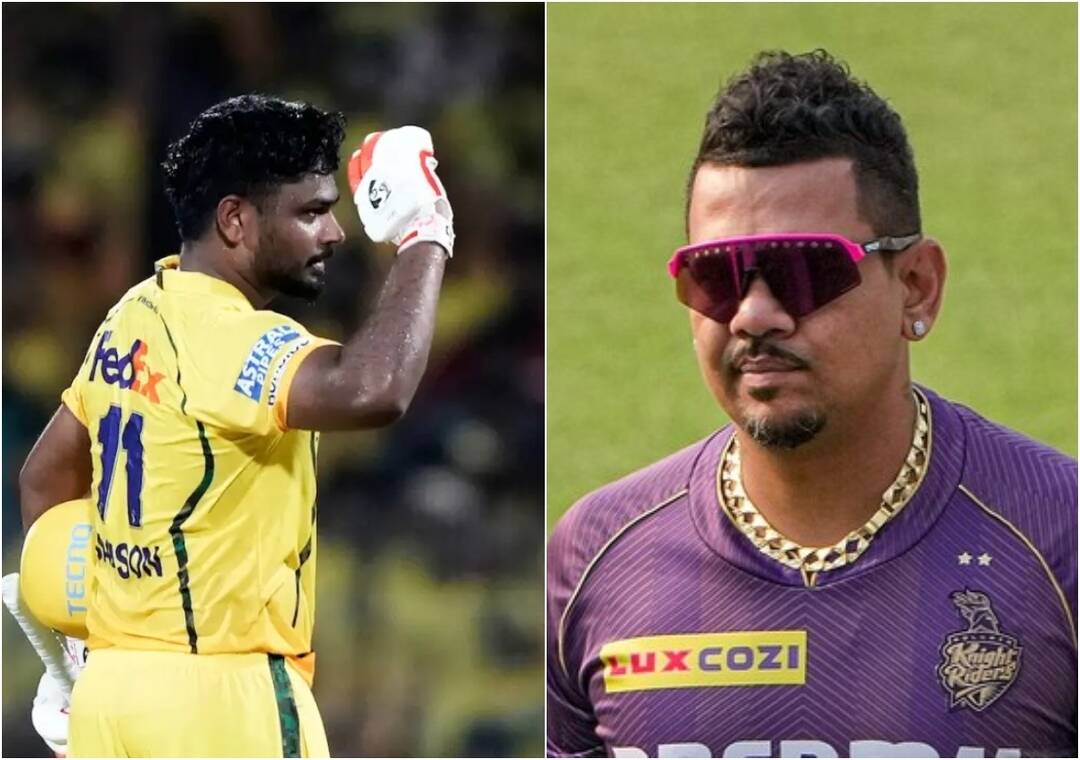
A paramount tactical challenge for Chennai Super Kings lies in Sanju Samson’s documented historical struggles against Sunil Narine’s enigmatic spin. Data, corroborated by former all-rounder Irfan Pathan, reveals a profound inefficiency: Samson’s strike rate of approximately 80 across 80 deliveries faced against Narine is markedly below top-order batting standards. This statistic underscores a fundamental difficulty in deciphering Narine’s unique release and trajectory. With three dismissals already recorded in this head-to-head, the psychological advantage unequivocally favors KKR. Strategically, KKR’s optimal deployment of Narine during Samson’s presence at the crease becomes an operational imperative, capable of significantly throttling CSK’s scoring impetus during crucial middle overs. This critical matchup thus presents a strategic bottleneck for CSK, forcing them to weigh absorbing an extended period of dot balls against the high-risk maneuver of altering their established batting order to insulate Samson from Narine’s spell.
Powerplay Dynamics: Allen’s Conversion Challenge vs. Khaleel’s Renewed Threat
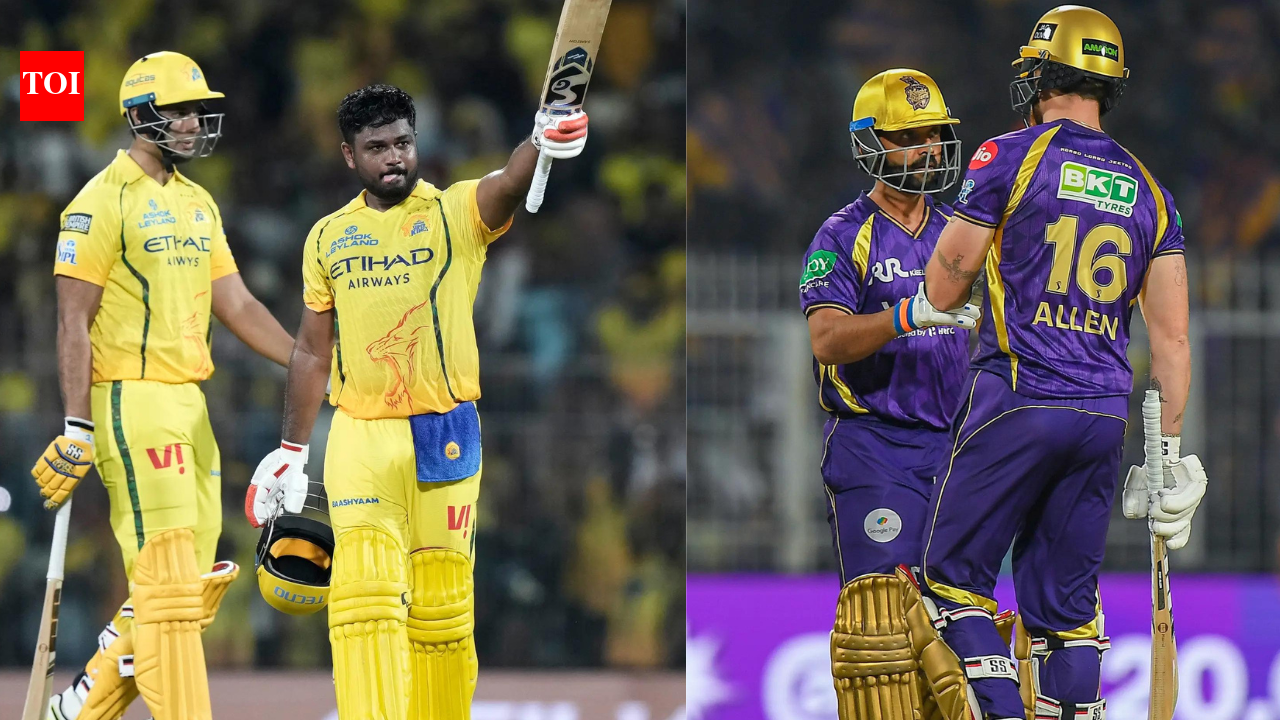
The initial powerplay exchange between KKR’s Finn Allen and CSK’s Khaleel Ahmed will be instrumental in dictating the innings’ early momentum. While Allen possesses the capacity for explosive starts, his consistent struggle to convert these impactful beginnings into substantial, match-winning scores remains a tactical vulnerability. This persistent lack of batting longevity places immense pressure on KKR’s middle order and impedes the team’s capacity to consistently set or chase competitive totals. Khaleel Ahmed, despite a recent dip in wicket-taking efficiency, maintains a potent threat due to his mastery of new-ball swing. The invigorated pace of the Chepauk surface is poised to significantly amplify Khaleel’s effectiveness, offering the necessary lateral movement to rigorously test Allen’s defensive acumen and potentially induce an early error. An early breakthrough by Khaleel would not only vindicate CSK’s continued faith in him but also exacerbate the palpable crisis within KKR’s top order.
Dube vs. Narine: The Strategic Counter to KKR’s Spin Anchor
Contrasting sharply with Samson’s difficulties, Shivam Dube presents a formidable and direct counter to Sunil Narine’s renowned defensive economy. Dube has forged a reputation for dominating spin through exceptional physical leverage and high bat speed, enabling him to clear boundaries even against the most accurate bowling. This specific middle-overs matchup is a potential game-changer: Dube’s ability to neutralize Narine’s threat could fundamentally disrupt KKR’s primary strategy for run containment. Narine’s season thus far has shown a high economy but a comparatively low wicket-taking frequency, a trend KKR desperately needs to reverse for competitive viability. Should Dube successfully negate Narine’s influence, KKR would lose their most pivotal tool for controlling the game’s tempo and stifling scoring. This dynamic places immense strategic pressure on the KKR captain to meticulously manage Narine’s overs, perhaps reserving him for specific phases when Dube’s aggressive impact can be minimized.
Broader Ramifications: Playoff Aspirations and Franchise Stability
The immediate outcome of this match carries significant broader ramifications for the strategic trajectory of both franchises within the IPL ecosystem. For Chennai Super Kings, securing a second consecutive victory would not only solidify their standing as a formidable top-tier contender but also emphatically validate their adept adaptation to Chepauk’s transformed pitch conditions. Such stability is paramount for sustaining investor confidence and forging a clearer, less tumultuous path towards playoff qualification. Conversely, for Kolkata Knight Riders, the stakes are demonstrably higher. A prolonged winless streak would almost certainly necessitate a profound internal recalibration, indicative of a potential disconnect between tactical blueprints and on-field execution. A defeat at Chepauk would intensify scrutiny on Rahane’s captaincy and could precipitate more decisive intervention from the franchise’s technical leadership, aimed at salvaging their 2026 campaign.
Strategic Synthesis: Interplay of Individual Brilliance and Environmental Adaptation
The upcoming CSK vs KKR fixture is a microcosm of intricate tactical interplay, shaped by both individual player duels and the evolving environmental dynamics. The crucial variables determining each team’s scoring potential hinge on Sanju Samson’s capacity to overcome his strike rate struggles against Narine, and Finn Allen’s ability to convert his starts into substantive, longer innings. These individual player performances are not standalone events but are inextricably linked to the overarching strategic directives emanating from the captains and coaching staff. Ultimately, victory will be claimed by the side that most effectively navigates the reconfigured characteristics of the Chepauk surface. While historical data informs certain matchup advantages, the introduction of heightened pace and bounce offers a strategic reset, empowering bowlers like Khaleel Ahmed and Vaibhav Arora to redefine their match-winning impact. As the 2026 season unfolds, the profound lessons gleaned from this high-stakes encounter will undoubtedly influence future recruitment strategies and tactical evolutions for both franchises.