Super Typhoon Sinlaku Exposes Geopolitical Vulnerabilities in U.S. Pacific Territories
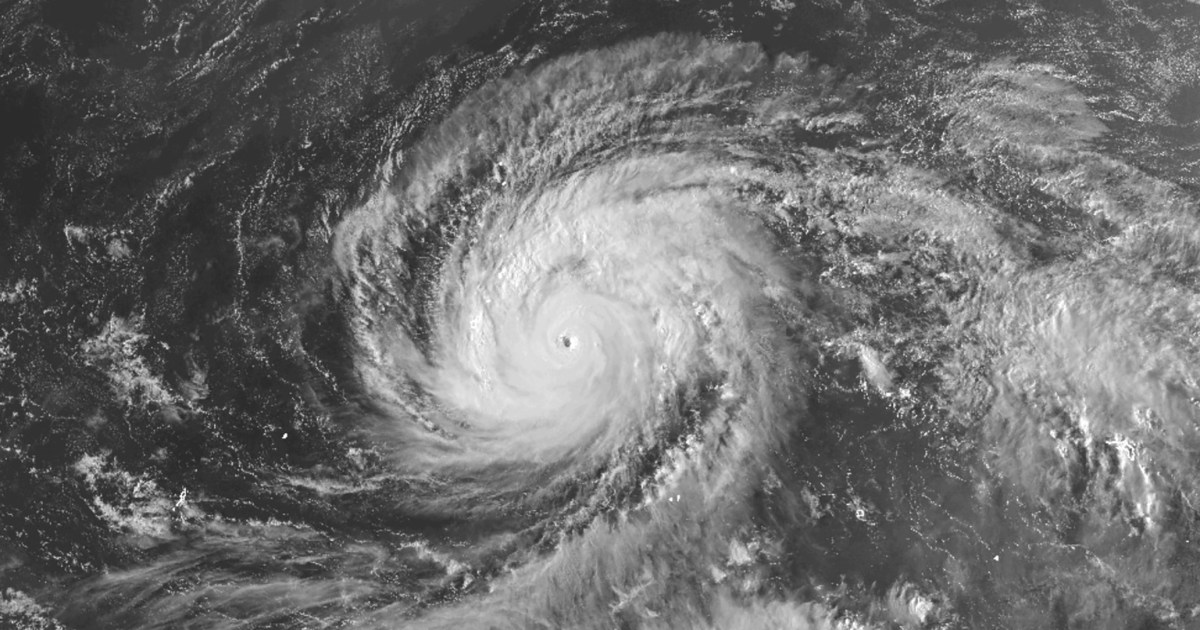
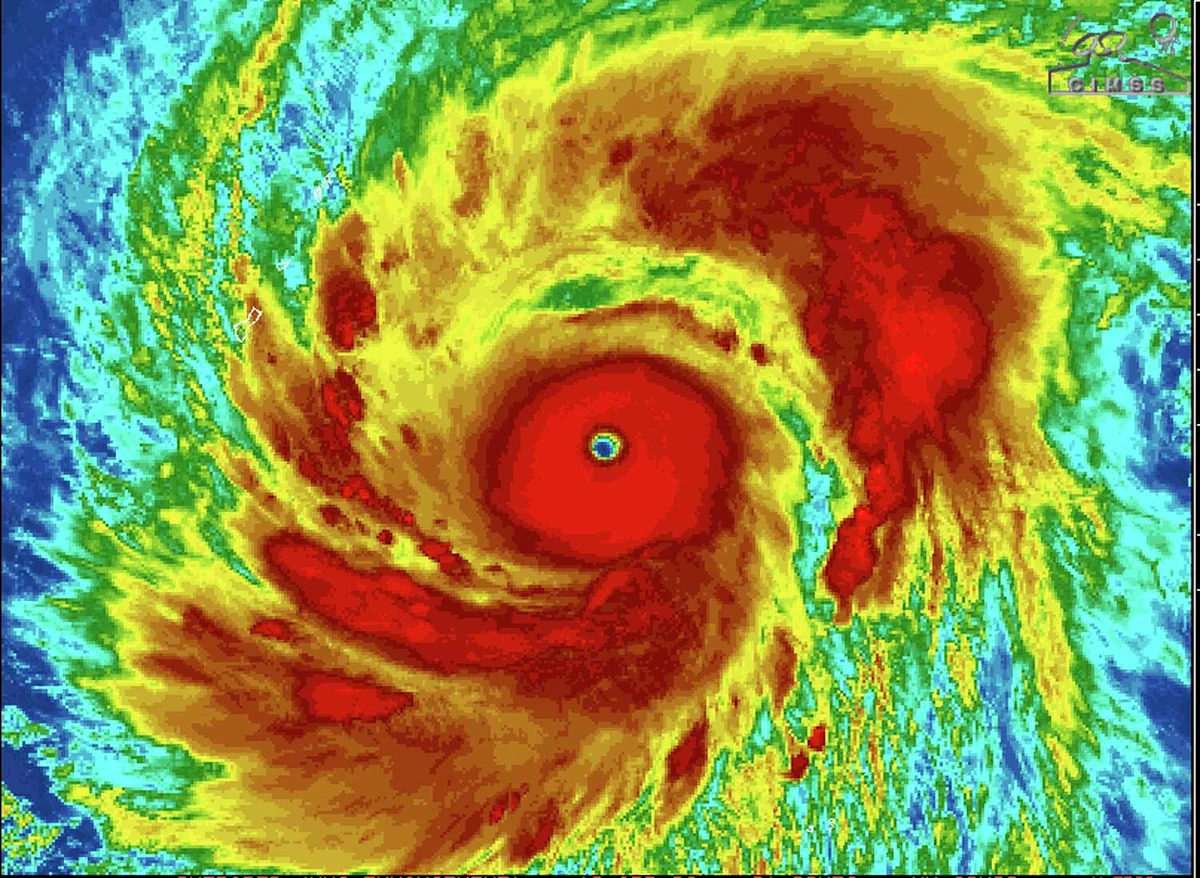
Super Typhoon Sinlaku has intensified into the strongest storm globally this year, posing an imminent and catastrophic threat to the Northern Mariana Islands, an unincorporated U.S. territory in the Western Pacific. The storm, packing sustained winds of 180 mph and gusts up to 220 mph, highlights the extreme vulnerability of remote island infrastructure and the complex logistical challenges inherent in disaster response for U.S. citizens located thousands of miles from the mainland.
The storm’s rapid intensification to a Category 5 equivalent underscores a significant risk profile for the region. While some weakening is anticipated before landfall, projections indicate Sinlaku will strike the islands of Tinian and Saipan with sustained winds of 155 to 160 mph, a force capable of causing widespread destruction and lengthy power outages. This level of intensity places severe strain on local infrastructure designed to withstand less extreme weather events, particularly given the high cost and logistical complexity of rebuilding in such a remote location.
Geopolitical Constraints and Logistical Challenges for Remote U.S. Territories
The Northern Mariana Islands, located approximately 6,000 miles west of San Francisco, present unique operational challenges for federal disaster relief efforts. The sheer distance from mainland U.S. resources means that pre-positioning of aid and personnel is critical. The logistical pipeline for heavy equipment, medical supplies, and emergency personnel must traverse vast distances, creating potential bottlenecks that delay immediate post-storm recovery efforts. The proximity of the islands to major Asian hubs like Tokyo, rather than Honolulu, dictates a different strategic approach to supply chain management during a crisis. U.S. federal response protocols must overcome significant trans-Pacific distances, creating tension between the immediate needs of the population and operational constraints.
The status of the Northern Mariana Islands as an unincorporated territory further complicates the allocation and coordination of federal resources. While the 50,000 residents are U.S. citizens, the governance structure differs from that of a state. This dynamic affects funding mechanisms and bureaucratic processes, potentially creating disparities in recovery outcomes compared to mainland disaster responses. The coordination between local authorities and federal agencies, including FEMA and military assets, requires careful management to ensure a timely and effective response, particularly given the high probability of communication infrastructure failure.
Infrastructure Vulnerability and Strategic Economic Exposure
The primary islands in the storm’s path—Rota, Tinian, and Saipan—are highly dependent on critical infrastructure that is inherently vulnerable to Category 4 and 5 winds. The high probability of lengthy power outages suggests a reliance on above-ground power distribution systems and limited redundancy in generation capacity. The economic consequences of prolonged outages extend beyond immediate disruption, impacting essential services like water purification and communication networks. The local economy, heavily reliant on tourism, faces significant exposure from a catastrophic storm event. The destruction of hotels and related infrastructure can halt economic activity for extended periods, leading to long-term financial instability for the local population. Rebuilding in this remote location, where materials and labor must be imported, significantly increases the financial burden on both local government and federal aid programs, potentially delaying full economic recovery for years.
Climatological Trends and Geostrategic Implications
The classification of Sinlaku as one of the strongest typhoons so early in the year suggests a potential shift in climatological patterns and an increase in high-intensity storm frequency. This trend necessitates a re-evaluation of long-term risk management strategies and infrastructure resilience standards for the region. The rapid intensification observed in Sinlaku highlights the challenge of providing adequate warning time for populations in high-risk zones, where storm development can outpace traditional forecasting models.
The storm’s impact on nearby Guam, a U.S. territory with significant military installations, adds another layer of strategic concern. While Guam is expected to avoid a direct hit, the forecast for damaging winds and heavy rain could disrupt military operations and readiness. The strategic importance of Guam as a forward operating base in the Western Pacific means that any disruption to its infrastructure or operational capacity has broader implications for regional security and U.S. defense posture. The long-term recovery efforts for both civilian populations and military assets require significant capital investment to rebuild infrastructure to higher standards, viewed not only as humanitarian aid but also as a strategic imperative to ensure the long-term viability of U.S. presence in the region.
Conclusion: Intersecting Risks and Future Preparedness
Super Typhoon Sinlaku represents a confluence of high-intensity climate risk, logistical complexity, and strategic vulnerability for U.S. territories in the Western Pacific. The storm’s trajectory toward the Northern Mariana Islands exposes critical weaknesses in infrastructure resilience and highlights the unique challenges of supporting remote populations. The high cost of rebuilding, combined with the strategic importance of the region, necessitates a comprehensive approach to risk management that integrates climate adaptation with geopolitical strategy. The event serves as a critical case study for evaluating the effectiveness of federal disaster response mechanisms for unincorporated territories. The long-term recovery will depend on sustained federal support and investment in resilient infrastructure, impacting the economic stability and strategic positioning of U.S. assets in the Pacific for years to come.