The Strategic Calculus of Regular Season Finales
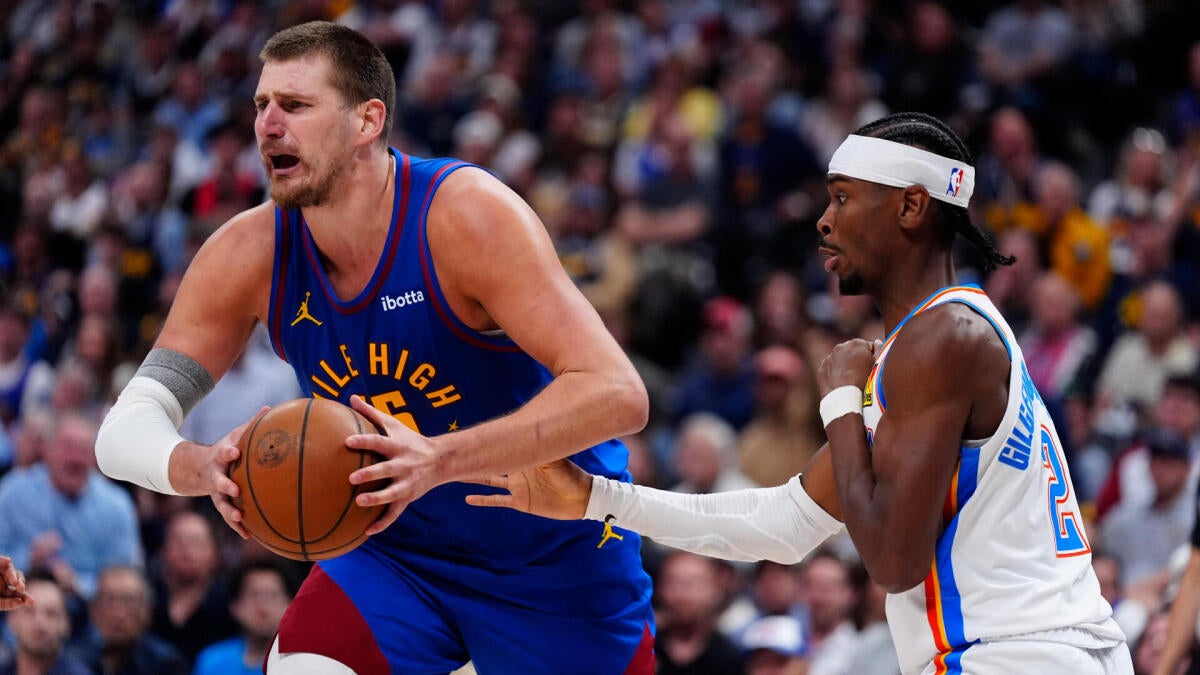
The conclusion of the NBA regular season has transitioned into a complex optimization problem for front offices. The recent matchup between the Oklahoma City Thunder and the Denver Nuggets at Ball Arena underscored this trend, with both organizations opting to rest their primary rotations to prioritize health and postseason positioning.
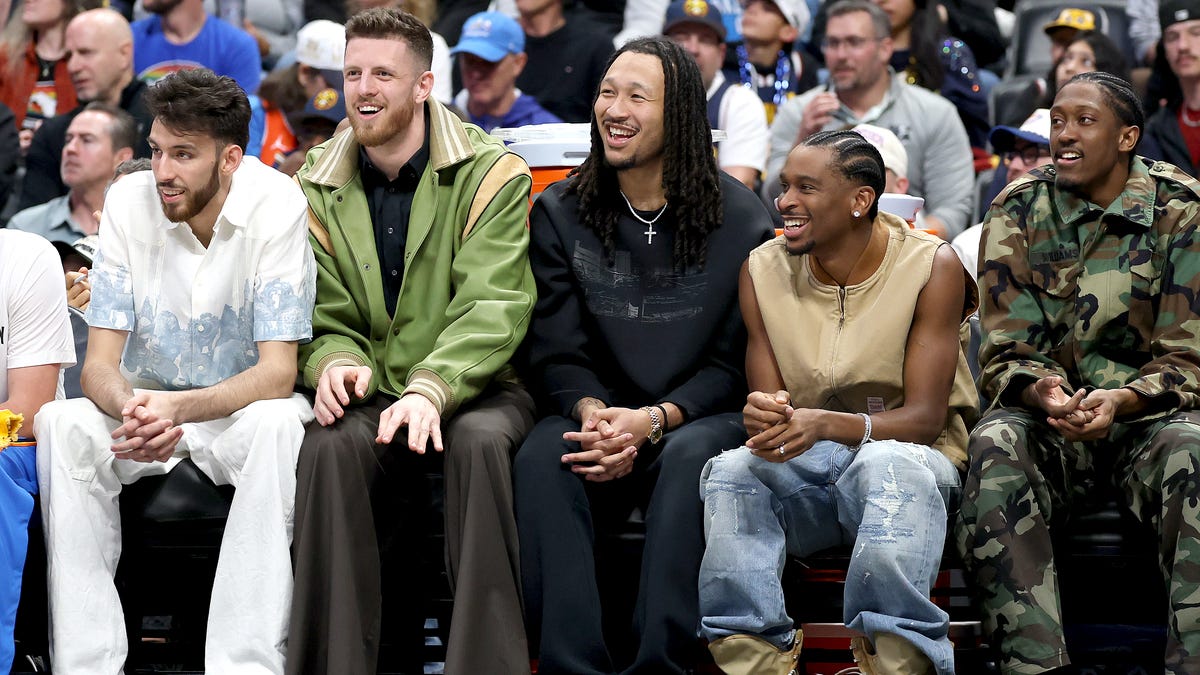
For the Thunder, resting ten players was a calculated move following the clinching of the Western Conference’s top seed. This reflects a risk-mitigation philosophy designed to avoid late-season injuries that could derail championship aspirations.
Regulatory Constraints and Individual Incentives
The game highlighted the friction between institutional rest policies and individual player goals. Lu Dort’s participation, despite the broader team-wide rest mandate, was a targeted effort to reach the NBA’s 65-game threshold required for end-of-season award eligibility. This illustrates the granular operational complexity teams face when navigating league-wide accolades and contractual incentives.
Developmental Opportunities and Analytical Depth
The absence of starters provided a rare evaluation window for emerging talent. Nikola Topić’s production—14 points and 11 assists in his first career start—demonstrates how high-stakes roster management can accelerate the development of young assets. Such environments provide front offices with empirical performance data, influencing future rotation decisions and salary cap allocation.
Market Perception and Organizational Resilience
Despite the rotation adjustments, the Denver Nuggets’ performance during their preceding ten-game winning streak remains a key factor in futures markets. Analysts use these late-season trends as proxies for organizational depth and coaching adaptability. The ability to maintain system integrity, even without primary starters, signals long-term resilience, directly influencing betting odds and institutional expectations.
Institutional Implications of Load Management
The evolution of the NBA product toward ‘asset protection’ presents a challenge for stakeholders. As teams prioritize championship optimization, the regular season finale increasingly serves as a tactical exercise rather than a competitive showcase. This shift forces the league to reconcile its mandate for competitive integrity with the modern, data-driven reality of sports science and long-term health management.
Long-term Structural Goals
The Thunder’s strategy—prioritizing the health of core pieces like Shai Gilgeous-Alexander and Chet Holmgren—confirms a commitment to a specific championship window. By subordinating short-term outcomes to structural objectives, organizations are moving toward a model where the final weeks of the 82-game season function primarily as a preparatory phase for postseason success.