Capital Markets and the Critical Performance Threshold
The 28.96% collapse in Pearl Abyss (263750) share prices—erasing 19,000 won to settle at 46,600 won in a single session—illustrates a tightening correlation between critical aggregators and institutional valuation. While a Metacritic score of 78 is objectively positive, the market had priced in a premium performance tier (mid-to-high 80s) to justify a $150 million (200 billion won) capital expenditure. This valuation gap suggests that for projects of this scale, anything short of critical consensus is interpreted as a risk to the intellectual property’s long-term lifetime value.
The R&D Paradox: 7-Year Development and Capital Concentration
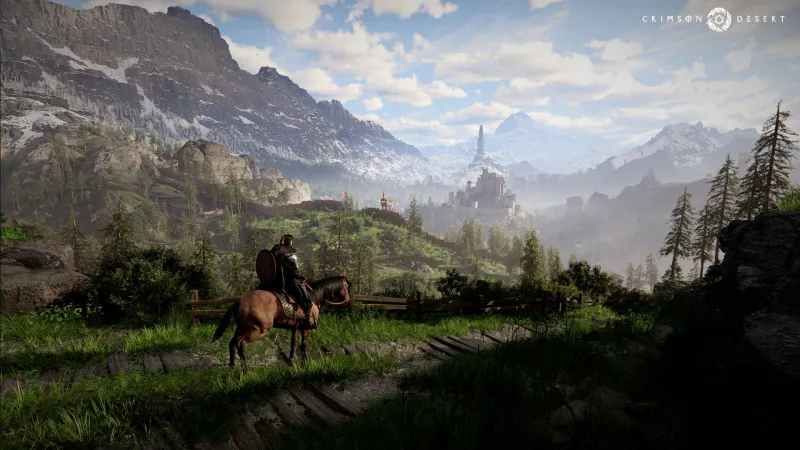
Crimson Desert represents a high concentration of capital with a development timeline spanning seven years. This duration introduces significant opportunity costs and subjects the project to shifting technological standards. While the title is a visual marvel, the market’s aggressive sell-off reflects a recalibration of expected return on investment (ROI). The pivot from Pearl Abyss’s traditional recurring revenue models (MMOs) to a premium, single-player adventure necessitates near-flawless critical acclaim to ensure the commercial ‘long tail’ required to recoup such massive production budgets.
Technical Prowess vs. Operational Friction
Reviewers from high-authority outlets such as Forbes and MMORPG.com have lauded the game’s engineering capability, citing clockwork cities and floating ruins as benchmarks for current hardware. However, a divergence in scores from Eurogamer and GameSpot (falling in the 60-70 range) points to fundamental friction in the user experience. Critiques highlight ‘clunky’ controls and a non-standard interaction paradigm—specifically the heavy reliance on the Left Bumper (LB) for environmental engagement—as barriers to entry that could trigger early-game player attrition and negative word-of-mouth.
The Narrative Deficit and the ‘Clear Soup’ Allegory
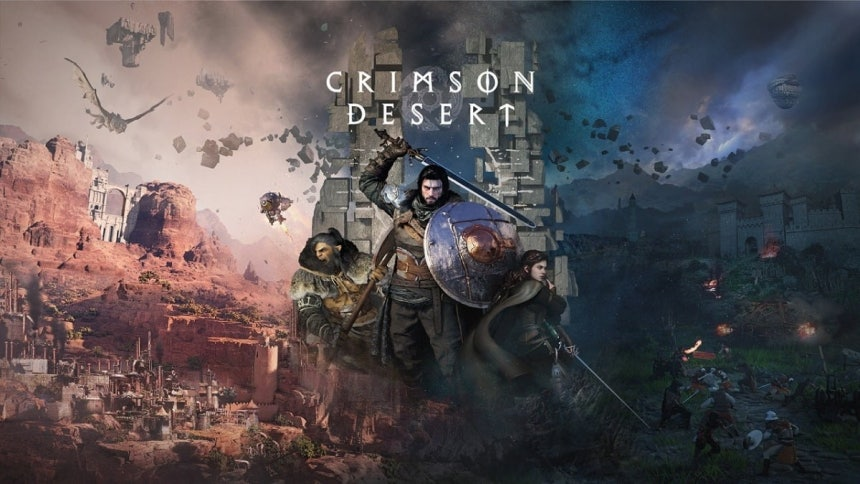
A recurring theme in the critical discourse is a perceived lack of narrative depth, famously compared by critics to the game’s first cookable meal: Clear Soup. This allegory implies that while the experience is visually filling, it lacks the complex storytelling layers necessary to compete in a saturated open-world market. The story of Kliff and the Greymanes follows a traditional fantasy arc that some argue fails to match the innovation of the game’s physics-based puzzles and multi-layered combat, creating a lopsided product that may struggle with player retention.
Institutional Exposure and Strategic Implications
The Pearl Abyss sell-off serves as a cautionary tale regarding the escalating cost of failure in high-budget gaming. With Metacritic acting as a financial proxy, the subjective opinions of few critics now have immediate impacts on market capitalization. Moving forward, the studio faces the challenge of stabilizing its valuation through rapid post-launch iterations to address mechanical friction. For the broader industry, this event may force a rebalance of resource allocation, prioritizing user interface design and scriptwriting alongside technical sophistication to mitigate asymmetric market risks.