Strategic Imperatives in the Race for Europe
Olympique Lyonnais reaches a decisive operational juncture as they host Paris FC in a fixture that marks a rare top-flight encounter at Groupama Stadium—the first in over four decades. While the historical gap is a point of interest, the immediate focus remains on competitive leverage. Lyon currently occupies third place, the final slot for direct Champions League League Phase entry, but their position is increasingly precarious due to a documented decline in defensive stability.
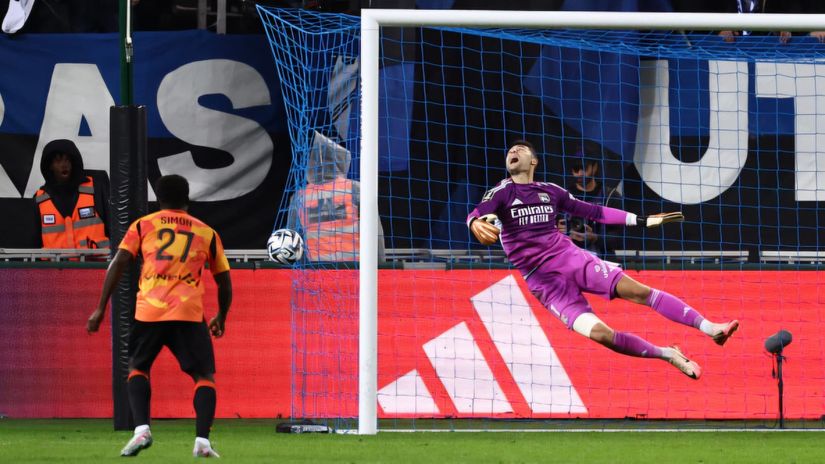
Despite their top-three standing, a recent 3-2 defeat to Marseille highlighted systemic vulnerabilities. Conceding three goals in back-to-back matches indicates a breakdown in transition defense and set-piece organization. This volatility is underscored by match control metrics; in their previous outing, Lyon was outshot 19 to 11, suggesting they are losing the territorial battle even when maintaining possession.
Managerial Pressure and Tactical Regression
Since his appointment in January 2025, Paulo Fonseca has focused on offensive output, but his tenure now faces its first major crisis. A third consecutive league defeat would be an unprecedented negative streak under his leadership. The pressure is compounded by the financial disparity between direct Champions League qualification and the qualifying rounds; the latter introduces fixture congestion and higher operational risk, potentially impacting the club’s summer transfer strategy and long-term fiscal planning.
Conversely, Paris FC enters with an asymmetric objective. Following a 1-0 win over Nice that propelled them to 14th, their strategy is centered on risk-aversion and administrative stability. By adopting an opportunistic, low-volume counter-attacking posture, they are well-positioned to exploit Lyon’s current defensive uncertainty.
Statistical Anomalies: The Morton Variable
Analysis of player performance metrics reveals significant variance in individual output. Midfielder Tyler Morton’s profile is particularly noteworthy; with two goals from 21 appearances against an expected goals (xG) value of just 0.5, his finishing suggests a high degree of positive outcome variance. Market pricing for Morton to score (+675) reflects this as a low-probability event, yet his shot accuracy—six on target from nine attempts—identifies him as a high-efficiency peripheral threat.
For Lyon to stabilize, they must shift reliance from such statistical outliers back to a sustainable offensive structure. If Lyon fails to improve their collective chance generation, Morton’s conversion rate is likely to regress toward the mean, further exposing the team’s reliance on individual moments of brilliance rather than systemic dominance.
Venue Dynamics and Historical Precedent
The 45-year absence of this fixture in the top flight removes contemporary tactical memory from the equation. While Lyon boasts a 100% home winning record in recent domestic play, the lack of historical data points for this specific matchup creates a ‘clean slate’ dynamic. This psychological environment favors Paris FC, who can compete without the burden of past failures at Groupama Stadium. For Lyon, the mandate is clear: restore defensive cohesion and re-establish the territorial dominance required to protect their high-yield European status.