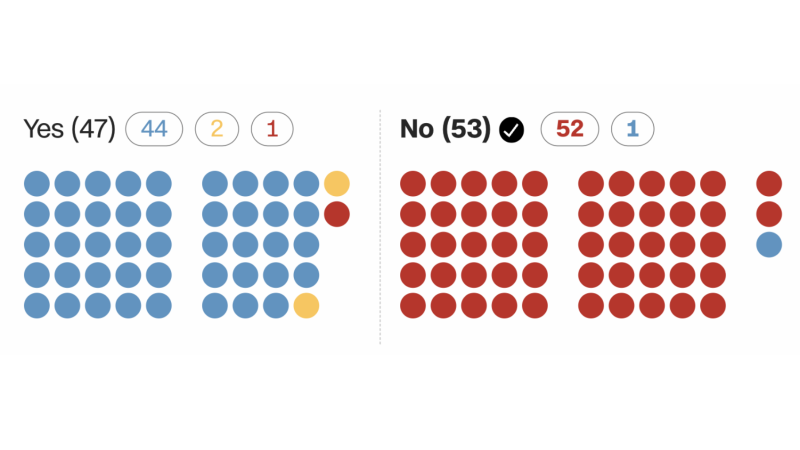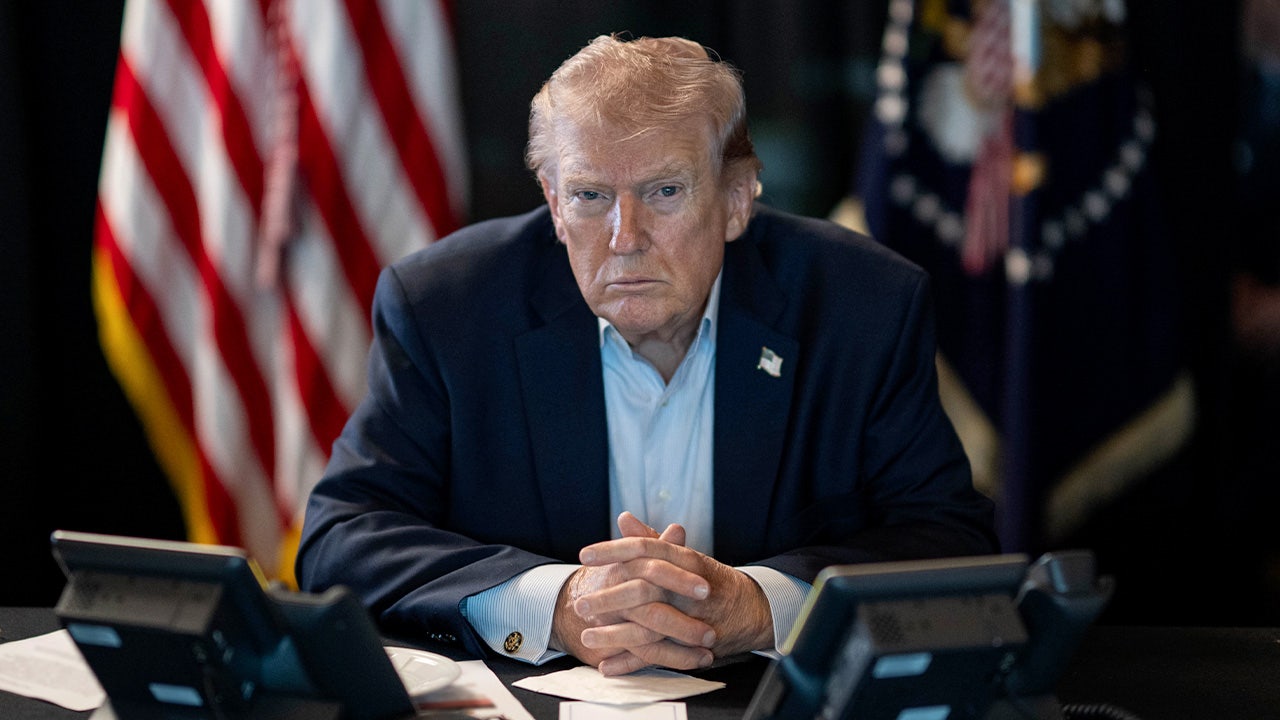
The Senate’s decisive rejection of Senator Tim Kaine’s War Powers Resolution represents a transformative consolidation of executive military authority. By neutralizing this legislative challenge, the upper chamber has signaled its acquiescence to unilateral strikes on Tehran and the broader strategic objectives of Operation Epic Fury. This outcome indicates a significant shift in the institutional balance of power, where executive-led strategic imperatives now supersede traditional Article I oversight responsibilities.
Institutional Abdication and the Erosion of Oversight
Senate Majority Leader John Thune’s defense of inherent presidential authority marks a structural pivot in the interpretation of the War Powers Act. By asserting that the executive possesses the prerogative to engage in high-stakes military strikes without specific congressional authorization, Senate leadership has established a precedent that marginalizes the role of legislative consultation. This provides a political shield for the administration, enabling rapid operational escalations that bypass the friction of public debate and constitutional scrutiny.
The resolution’s failure highlights a calculated decision by the Republican majority to prioritize operational flexibility over the legislative duty to authorize war. This move effectively renders the War Powers Resolution a dormant check on the presidency within the current geopolitical landscape. For the defense and intelligence sectors, this institutional shift creates a more predictable environment for long-term strategic planning, insulated from the immediate threat of legislative reversal or fiscal withholding.
Strategic Pivot: From Containment to Regime Change
The strikes on Tehran and the administration’s explicit call for the overthrow of the Iranian regime represent a fundamental escalation in U.S. foreign policy. This transition from defensive containment to active regime-change objectives alters the risk profile for regional allies and global energy markets. With the Senate’s tacit approval, the administration can now pursue these objectives with minimal domestic interference, essentially receiving a blank check for regional restructuring.
Operation Epic Fury is increasingly viewed not as a series of tactical strikes, but as a multi-faceted campaign aimed at a total transformation of the Middle Eastern power balance. However, the lack of a publicly articulated endgame remains a primary criticism. Without a defined exit strategy, the risk of mission creep increases, potentially committing the United States to a protracted conflict where the responsibility for long-term consequences rests entirely with the executive branch and military command.
Fractures in Party Discipline: Paul and Fetterman
The voting patterns of Senators Rand Paul and John Fetterman underscore emerging ideological fractures regarding interventionism. Paul’s alignment with the Democratic minority reflects a persistent libertarian-leaning strain within the GOP that views executive overreach as a fundamental constitutional threat. Conversely, Fetterman’s decision to join the Republican majority signals a departure from the prevailing Democratic narrative, suggesting that specific regional security outcomes may now outweigh party-line adherence to legislative oversight.
These deviations indicate that the debate over war powers is increasingly dictated by individual conviction rather than strict partisan loyalty. For the administration, Fetterman’s support provides a veneer of bipartisanship used to deflect accusations of unilateralism, while for Democratic leadership, it highlights the difficulty of maintaining a unified opposition to the President’s assertive foreign policy.
Economic and Geopolitical Repercussions
The Senate’s decision has triggered immediate volatility in global energy markets. Investors must now account for a heightened probability of sustained regional instability and potential disruptions to global supply chains. Furthermore, regional allies may interpret this vote as a long-term U.S. commitment to a confrontational posture, potentially encouraging aggressive local maneuvers that complicate the security landscape. While the financial costs of Operation Epic Fury have not been fully disclosed, the rejection of the resolution ensures that the fiscal momentum for these operations will be difficult to reverse during future budget negotiations.
Conclusion: A New Era of Executive Unilateralism
The failure of the War Powers Resolution is more than a procedural win; it is a redefinition of the boundaries of American governance. By granting the President a mandate for Iran policy without congressional constraints, the Senate has signaled a historic low point for legislative relevance in matters of war. As Operation Epic Fury continues, the absence of a meaningful check leaves the future of American foreign policy—and the potential for broader conflict—firmly in the hands of the executive branch.