Middle East Conflict Escalates as Iran and Israel Exchange Strikes Across Multiple Fronts
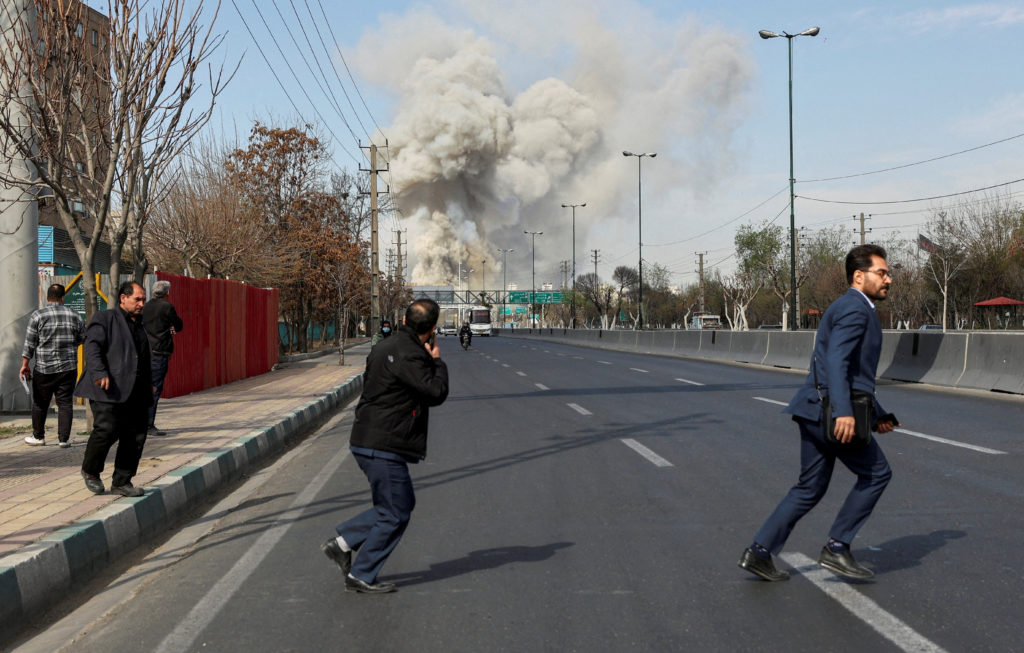
The Middle East conflict has entered a critical phase of escalation, marked by a significant exchange of strikes between Iran and Israel. Iran has launched new attacks targeting Israel, U.S. bases, and regional allies, while Israel and the U.S. continue their operations against Iranian objectives. This synchronized escalation signifies a deepening and widening confrontation with far-reaching geopolitical ramifications.
The conflict’s expanding reach is now affecting at least 14 countries, signaling a substantial destabilization beyond immediate belligerents. This broad impact is reshaping regional security architectures and international relations, underscoring systemic risks and potential for further contagion.
European Response and Strategic Restraint
European nations are increasingly involved, with several pledging military aid in response to attacks on Cyprus and Western allies in the Gulf. The UK’s deployment of additional jets to Qatar and France’s authorization of U.S. base usage for non-combat operations exemplify a strategic calculus of support without direct military entanglement.
This approach reflects a complex balancing act: demonstrating solidarity with allies while strategically managing escalation risks. Providing logistical and non-combat support offers influence and preparedness without direct intervention.
On-the-Ground Impact and Media Access
The intensity of strikes remains high, with Israel reporting successful interdictions of Iranian missile sites and Iran conducting further retaliatory actions. Reports of casualties in Abu Dhabi highlight the tangible human cost and the conflict’s expanding geographic impact.
The entry of a CNN team into Iran, the first U.S. network since the conflict began, marks a significant development in information access. This journalistic ingress could provide crucial on-the-ground reporting, potentially shaping international understanding and response.
Conflict Spreading Beyond Regional Borders
Evidence suggests the conflict’s spillover effect extends beyond the Middle East. Iran has denied accusations of drone attacks on an airport in Azerbaijan, while Tehran has condemned the U.S. torpedoing of a warship near Sri Lanka as an “atrocity.” These incidents highlight expanding diplomatic friction and potential for geographically dispersed confrontations.
The attribution of blame and strong condemnations indicate a complex web of international accusations that could impede de-escalation efforts.
Evacuations and Travel Disruptions
The escalating conflict has severely disrupted travel, leading to mass evacuations from the Middle East. Airlines are rerouting and governments are organizing charter flights, but many remain stranded due to limited options and security concerns.
This logistical challenge underscores the immediate impact on civilian populations and the interconnectedness of global travel with regional instability, potentially affecting supply chains and international movement long-term.
U.S. Congressional Oversight and Executive Authority
In the U.S., Senate Republicans blocked a measure requiring congressional authorization for further strikes on Iran. This political move highlights a divergence in approaches to executive authority in foreign military engagements and suggests a strategy of executive-led decision-making.
This bypasses traditional legislative oversight, potentially accelerating operational tempo and impacting the balance of power in national security decision-making.
Defense Secretary’s Declaration of Acceleration
Defense Secretary Pete Hegseth’s assertion, “We are just accelerating, not decelerating,” signals a deliberate policy of sustained and intensified military operations. This indicates a strategic commitment to prolonged engagement rather than de-escalation.
The explicit acknowledgment of acceleration suggests a calculated approach to achieving military objectives through sustained pressure, with significant implications for regional stability and the conflict’s long-term trajectory.
Israeli Strikes Target Iranian Infrastructure
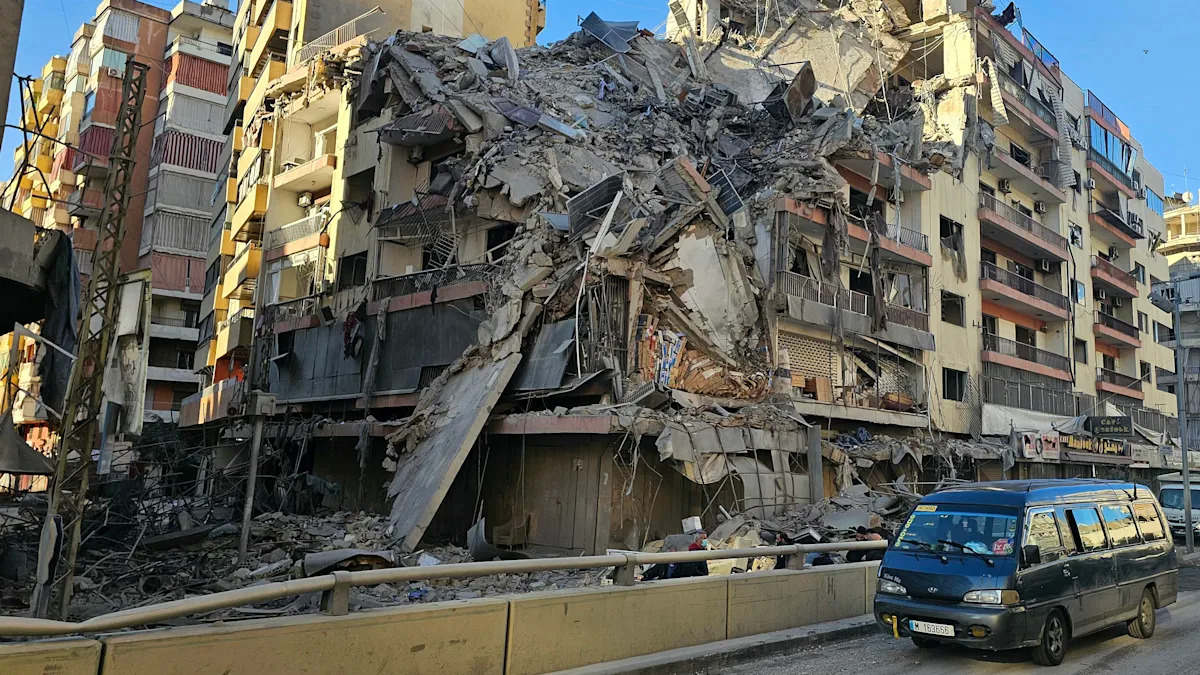
Israel reports striking Iranian ballistic missile sites within Iran, a direct challenge to Iran’s offensive capabilities. Combined with actions against Hezbollah-linked targets in Lebanon, this indicates a multi-front strategy to degrade Iranian and allied military infrastructure.
Targeting missile sites aims to disrupt Iran’s power projection and retaliatory capacity, thereby shifting the strategic balance and imposing significant costs.
Regional Allies Face Interceptor Depletion
America’s Gulf allies are reportedly experiencing critical depletion of interceptors to counter Iranian missile threats. This vulnerability increases regional risk and places a greater burden on U.S. air defense assets.
The diminishing supply of interceptors signifies a strain on regional defense resources, necessitating urgent strategic considerations for resupply and burden-sharing, impacting regional security cooperation.
U.S. Naval Confrontation: Sinking of Iranian Warship
The U.S. confirmed sinking an Iranian warship in international waters with a submarine-launched torpedo, an act Iran labeled an “atrocity.” This naval engagement escalates tensions through direct military confrontation.
The sinking represents a potent demonstration of military capability, carrying profound implications for maritime security and international law, introducing a new dimension of direct confrontation.
U.S. Stance on Iranian Leadership Succession
President Donald Trump has expressed intent to influence Iran’s leadership selection, deeming Khamenei’s son “unacceptable.” This assertion of influence over Iran’s internal political succession signals a highly assertive foreign policy objective.
Such direct intervention in a sovereign nation’s leadership process, especially during active conflict, represents unprecedented strategic ambition, potentially aiming to reshape Iran’s political landscape and impacting regional power dynamics.
Broader Implications for Regional Stability
The escalating strikes, widening geographic scope, and direct military confrontations are fundamentally altering the Middle East’s strategic landscape. The involvement of multiple international actors and assertive policy declarations point to a period of heightened geopolitical uncertainty and instability.
The current trajectory suggests a recalibration of regional alliances and security strategies. The economic, humanitarian, military, and political dimensions will likely shape the region’s long-term stability and development.