
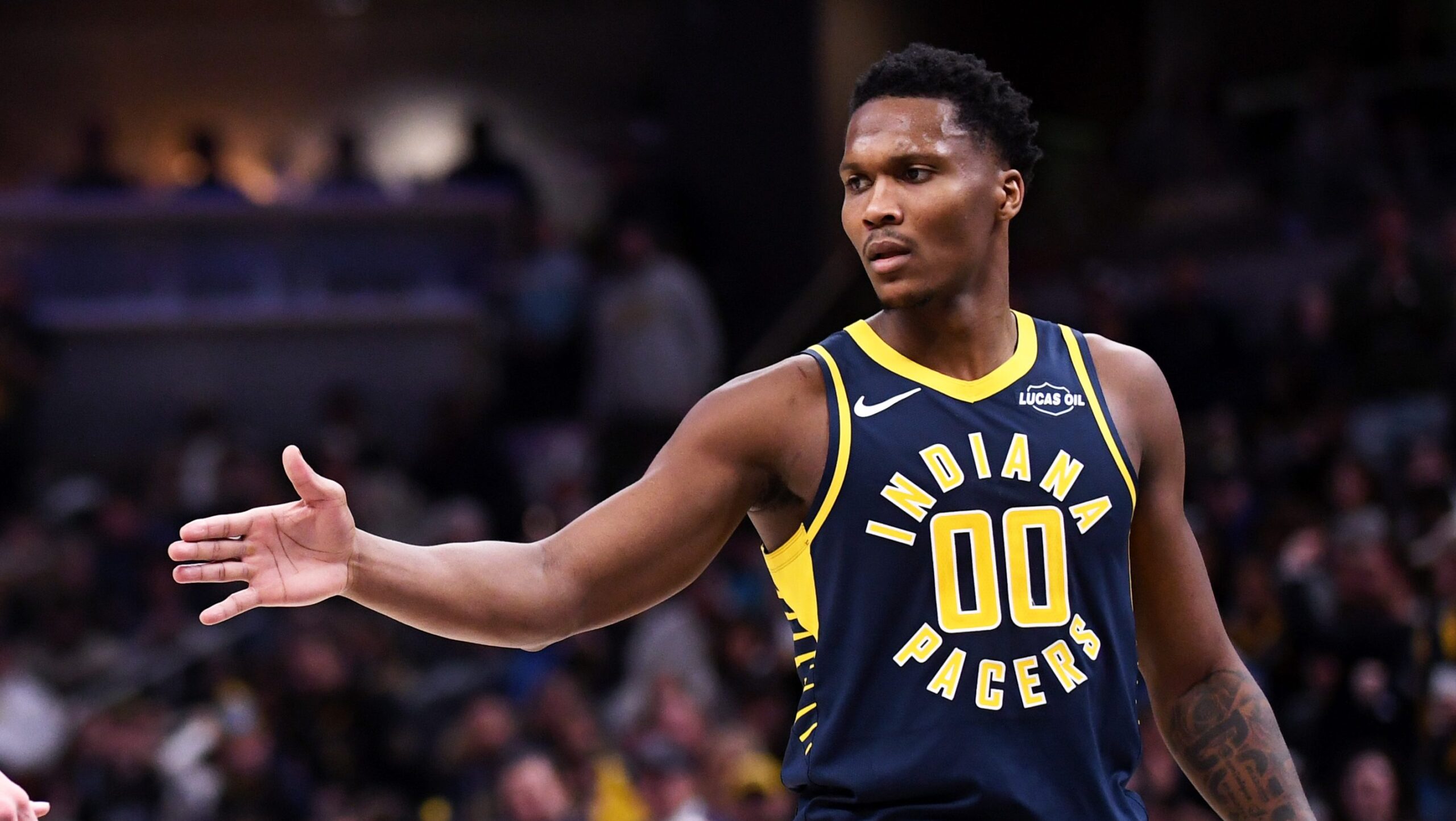
The mid-season acquisition of Bennedict Mathurin, alongside Isaiah Jackson and draft capital, in exchange for Ivica Zubac, mandates an immediate, analytically driven strategic pivot for the LA Clippers. Mathurin’s initial output is directly challenging established rotation structures under Head Coach Tyronn Lue.
Across his first seven appearances, Mathurin has averaged 19 points, 6 rebounds, 3 assists, and 1.4 steals in just over 30 minutes per game. This level of statistical gravity transcends typical reserve contributions and creates a non-negotiable utilization dilemma for the coaching staff.
Analytical Drivers of the Zubac Exchange
The trade represented a calculated divestment of foundational interior stability (Zubac) for immediate perimeter dynamism and asset enhancement. While Zubac provided consistent paint presence, the front office prioritized acquiring talent capable of high-usage impact, a common contemporary league construction philosophy valuing versatile wings over traditional rim anchors.
This move accelerated the organizational response to the earlier James Harden departure, emphasizing the acquisition of players whose peak performance window aligns with the current championship timeline, rather than maintaining structural continuity dependent on expiring or shifting assets.
Mathurin’s Leverage on Coaching Decisions
Mathurin’s efficiency, underscored by recent high-scoring outbursts, establishes a performance floor that Lue cannot afford to bench. His insertion into the starting five is becoming an optimization necessity, though it requires rebalancing defensive assignments and team chemistry. Preserving him in a high-minute bench role risks underrating an asset acquired precisely for its immediate additive scoring.
The front office’s investment structure ties performance validation directly to tactical adjustments; continuous underutilization relative to peak available talent penalizes the team’s immediate competitiveness.
The Pacers’ Asset Accumulation Trajectory
Conversely, the trade officially positions the Indiana Pacers in a declared asset accumulation phase. Divesting a productive young player like Mathurin for Zubac (a manageable contract/trade chip) and future draft equity solidifies their commitment to securing high draft positioning.
Zubac’s deployment suggests he is viewed either as a short-term contractual placeholder or a bridge asset, not a cornerstone for their evolving core. The trade structure makes the Pacers’ incentive clear: prioritizing future optionality over short-term wins.
Stakeholder Reception and Institutional Narrative
Mathurin’s anticipated return to Indiana carries narrative weight, serving as a litmus test for the Pacers’ ability to manage player development pipelines. A warm reception validates the developmental environment, while a cold one implies friction or perceived mismanagement of talent maximization. For Mathurin, acknowledging his ‘pure love’ for the drafting organization mitigates potential institutional friction.
Competitive Positioning and Market Perception
The Clippers’ aggressive transaction sequence—Harden exit, Zubac trade—positions them as maximizing an immediate window via high-variance transactions. Mathurin’s success mitigates the reputational risk associated with trading a fan-favorite anchor, validating the analytical models used for player valuation.
Sustained production from Mathurin provides a competitive advantage by acquiring high-ceiling production potentially below its current market value, directly enhancing playoff capability without depleting crucial future draft assets. This operational sequence illustrates the intersection of player agency and front-office risk management, incentivizing rapid execution when perceived market inefficiencies (like Mathurin’s usage ceiling) are identified.
Financial and Contractual Context
The exchange implies a strategic salary management maneuver, favoring Mathurin’s current performance-to-contract ratio over the long-term structure of Zubac’s deal, balancing present output against future cap flexibility around core high-earners.
For the Pacers, integrating Zubac must align with their rebuilding timeline, implying his contract serves as a short-term asset wrapper. The explicit inclusion of two first-round picks confirms the premium placed on immediate talent acquisition over maintaining future draft capital flexibility—a definitive bet on winning now.

Photo by terski on Pixabay.