Matchday 9 serves as a high-stakes stress test for Club América’s institutional resilience. Currently occupying eighth place with 11 points, the Coapa-based side faces an urgent mandate to recalibrate following a heavy 1-4 loss to Tigres. This fixture is less about historical dominance and more about arresting a potential systemic decline that threatens their direct Liguilla qualification trajectory.
Defensive Equilibrium and Structural Reconfiguration
André Jardine’s technical staff is reportedly pivoting toward a more conservative defensive architecture to mitigate the transitional vulnerabilities exposed in recent outings. By prioritizing a disciplined backline featuring Sebastián Cáceres and Ramón Juárez, América aims to insulate Luis Malagón from the high-volume shot concessions seen in previous weeks. This shift suggests a departure from expansive possession in favor of a more compact, vertically integrated mid-block designed to neutralize counter-attacking threats.
In the midfield, the focus shifts to spatial control. The integration of Erick Sánchez and Jonathan dos Santos is intended to bridge the creative deficit, ensuring that attacking assets like Víctor Dávila receive service in high-leverage zones. The objective is to establish a sustainable rhythm that balances aggressive pressing with the structural integrity required to prevent exploited gaps during turnovers.
FC Juárez: Low-Block Elasticity and Intelligent Disruption
FC Juárez enters this encounter as a tactical disruptor. Despite their lower-tier standing, the Bravos’ recent 3-1 victory over Atlas demonstrated a clinical capacity for exploiting defensive lapses. Goalkeeper Sebastián Jurado has emphasized a strategy of ‘intelligent’ match management—a euphemism for a low-block defensive posture combined with rapid, direct transitions aimed at testing the psychological fragility of a reeling América defense.
For Juárez, the match represents a low-risk, high-reward scenario. By congesting the central channels and forcing América into wide, inefficient crossing patterns, they aim to frustrate the home side and capitalize on the inevitable set-piece or breakaway opportunities. Success in Mexico City would significantly enhance their prospects for a Play-In tournament berth.
Commercial Trajectory and Ecosystem Impact
The broadcast reach through TUDN and international platforms underscores the commercial gravity of this matchup. As a primary driver of Liga MX viewership metrics, América’s performance fluctuations directly impact advertising valuation and fan engagement across the North American market. From a sports wagering perspective, the tightening odds reflect a market that remains cautious about América’s consistency, shifting the risk profile for stakeholders.
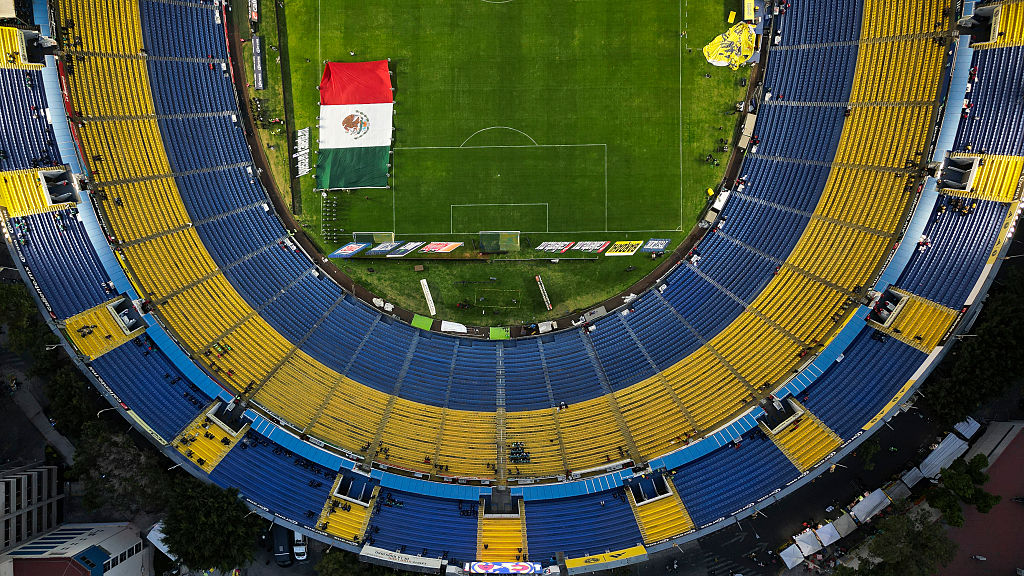
Furthermore, the utilization of secondary venues like the Estadio Ciudad de los Deportes highlights the logistical complexities of the current season. The ability of both franchises to maintain high-performance standards amidst these operational shifts serves as a benchmark for the league’s overall professionalization and investment appeal.
Strategic Forecast for the Campaign
The outcome of this mid-week clash will likely dictate the narrative for the final third of the regular season. For América, a victory is a prerequisite for silencing mounting criticism regarding the long-term viability of Jardine’s project. For Juárez, a point or more would validate their recent tactical evolution, proving that their uptick in form is a sustainable trend rather than an outlier. As the league approaches the knockout stages, these high-pressure encounters separate legitimate title contenders from those facing premature elimination.