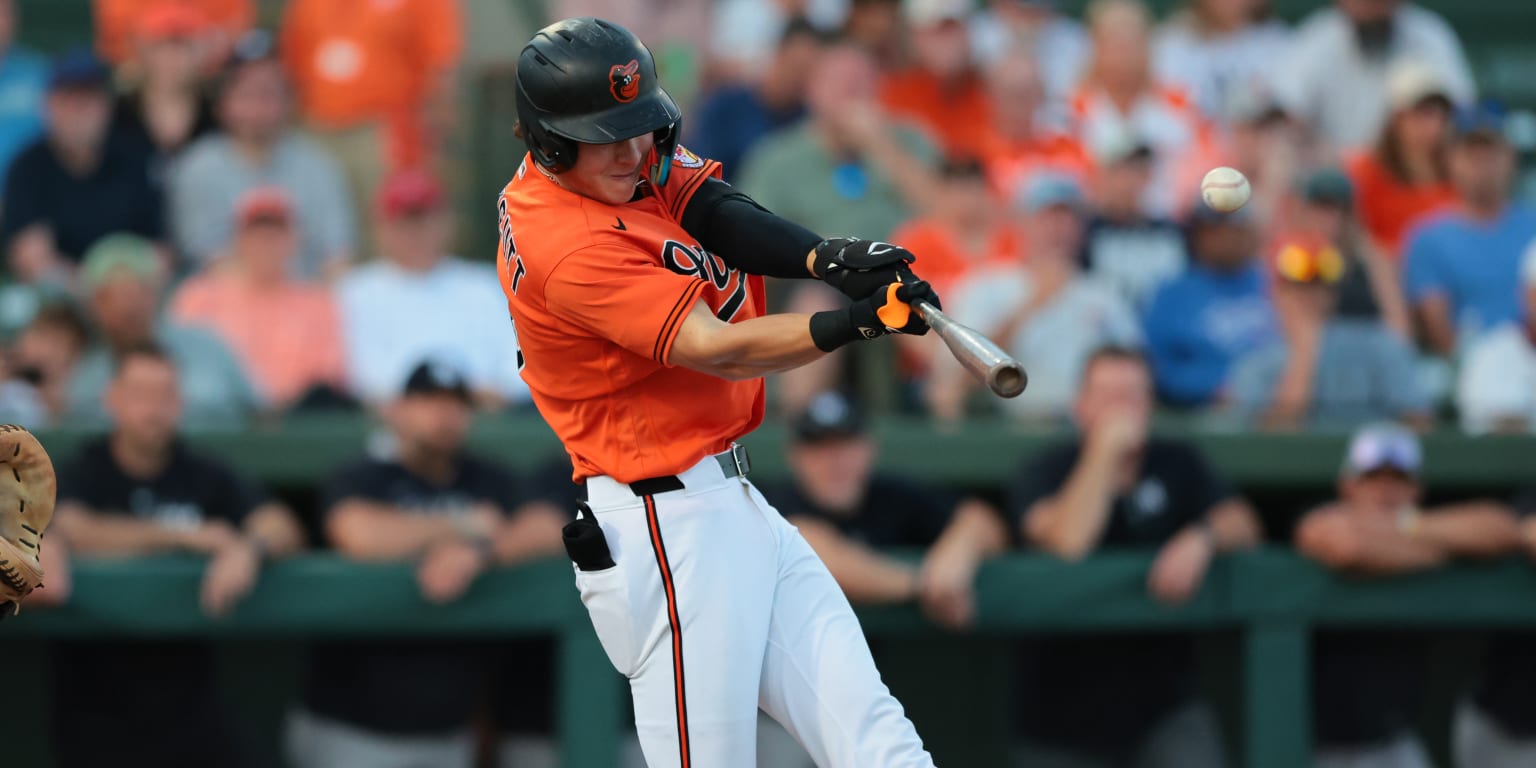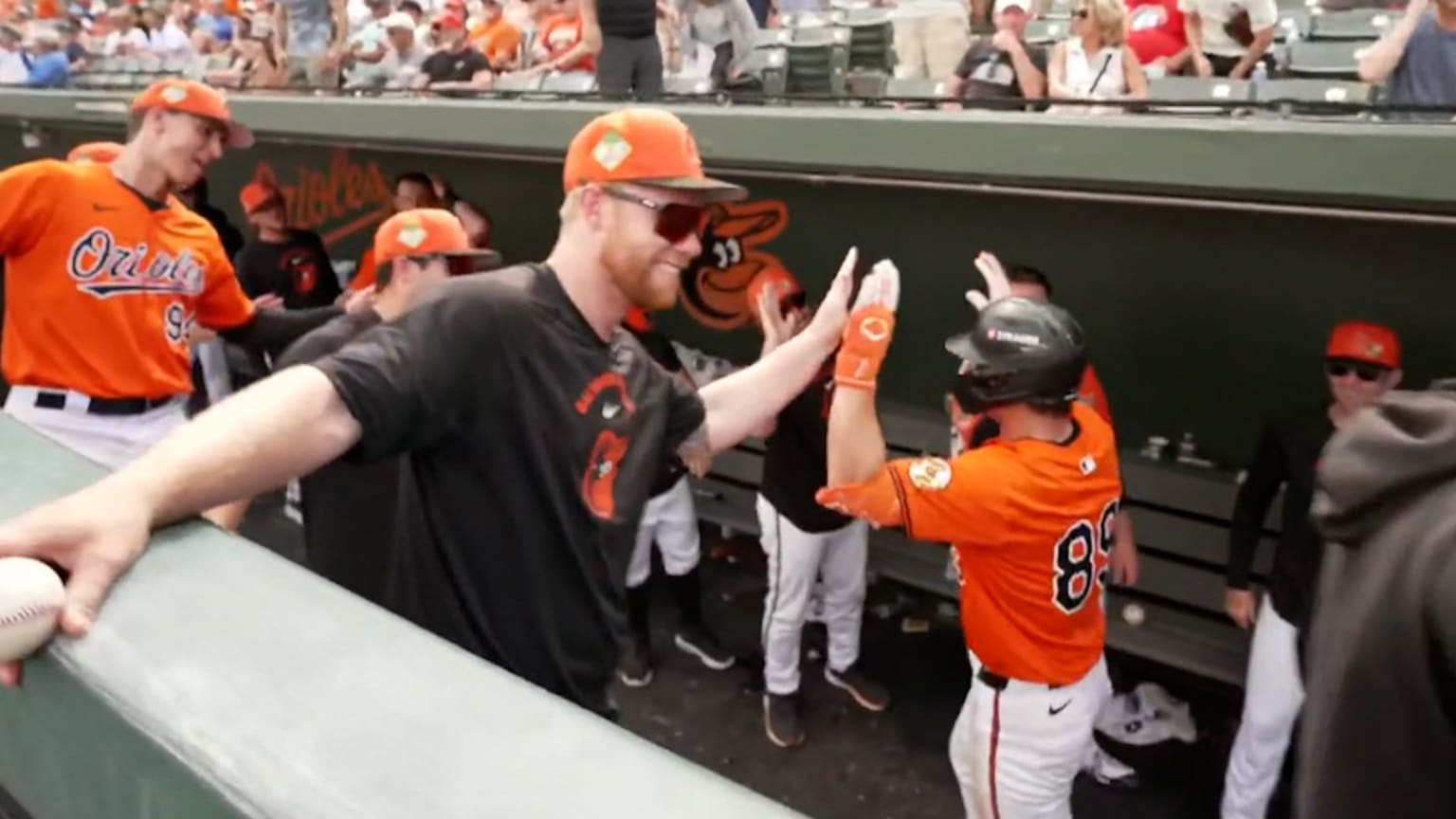
The 2026 Grapefruit League emergence of Vance Honeycutt marks a critical pivot in the Baltimore Orioles’ developmental arc for their 2024 first-round selection. Following a statistically stagnant professional debut characterized by high strikeout rates, Honeycutt’s current performance—highlighted by four home runs in four consecutive at-bats—suggests a successful mechanical recalibration. This surge transcends typical spring volatility, offering a high-leverage demonstration of raw power that directly challenges previous scouting concerns regarding his hit tool consistency.
Strategic Leverage of the Minor League Reinforcement Role
Honeycutt’s production is analytically significant given his status as a depth reinforcement rather than a formal Major League camp invitee. This administrative positioning usually restricts prospects to low-leverage, late-inning appearances against secondary relief arms. However, Honeycutt has utilized this limited exposure to maximize his internal valuation. By maintaining elite timing without the benefit of a consistent Big League camp routine, he has demonstrated an ability to self-regulate and perform in a fragmented developmental environment.
This “extra player” utilization allows the Orioles’ front office to stress-test Honeycutt against advanced competition without the immediate necessity of a 40-man roster commitment. This tactical insulation protects the asset from premature service-time pressures while yielding high-velocity data. The efficiency of this sample size serves as a primary catalyst for recalibrating his 2026 assignment, likely accelerating his path through the upper tiers of the affiliate system.
Statcast Breakdown: Deconstructing the 110.7 MPH Exit Velocity
The technical apex of this streak occurred during a 471-foot drive against Astros prospect Miguel Ullola. Facing an 0-2 count—a situation where Honeycutt previously struggled with swing-and-miss tendencies—he identified a 92.8 mph four-seam fastball. The resulting 110.7 mph exit velocity and 30-degree launch angle place Honeycutt in the top decile of raw power producers, even by Major League standards. This ability to punish velocity in a defensive count signals a maturation in pitch recognition and bat-path efficiency.
Comparing these metrics to his 2024 tenure at High-A Aberdeen reveals a stark trajectory shift. In 2024, Honeycutt’s .171 batting average and .559 OPS were indicative of a prospect failing to sync his elite athleticism with professional-grade secondary pitches. The 2026 data—specifically the distance and spin-rate navigation—indicates that his physical tools are finally translating into functional on-field production against high-level velocity.
Organizational Impact and Market Valuation
Honeycutt’s resurgence restores significant organizational capital for Baltimore. A first-round pick failing to thrive in High-A represents a sunk cost; conversely, a power-hitting outfielder with elite defensive upside provides the front office with immense flexibility. Whether viewed as a future cornerstone or a high-value trade chip, Honeycutt’s “Home Run Honeycutt” narrative increases the overall depth of a farm system already considered the gold standard in MLB.
While the Orioles must guard against overreacting to small sample sizes in Sarasota, the qualitative improvements in Honeycutt’s approach are undeniable. By addressing the “tough” transition from the University of North Carolina to the professional ranks, he has stabilized his floor. As the Orioles enter their competitive window, having a cost-controlled power threat who can recover from deep counts provides a strategic advantage that few rival organizations can match.