The Institutional Friction of Player Insurance and Availability
The 2026 World Baseball Classic (WBC) marks a transition point where institutional risk management—specifically player insurance—now dictates roster viability as much as raw talent. The tournament’s competitive ceiling is demonstrably lowered by the systemic friction between Major League Baseball (MLB) clubs’ financial security and national team participation mandates.
The inability of Team Puerto Rico to secure insurance coverage for high-value assets like Francisco Lindor and Carlos Correa exemplifies a structural vulnerability. This is not merely a procedural delay; it reflects actuarial risk assessments prioritizing multi-year, guaranteed contracts over short-term international exposure. Lindor’s subsequent hamate bone injury retrospectively validates this financial caution, shifting the WBC from a definitive best-on-best showcase to a competition testing organizational depth against liability management.
Similarly, Freddie Freeman’s opt-out for Canada underscores a recalibration of the risk-reward matrix for established veterans. For players approaching Hall of Fame milestones, the marginal benefit of WBC participation is increasingly weighed against the potential jeopardy to long-term health and contract security, forcing national teams to pivot toward more egalitarian roster construction.
Prospect Integration as a Strategic Accelerator
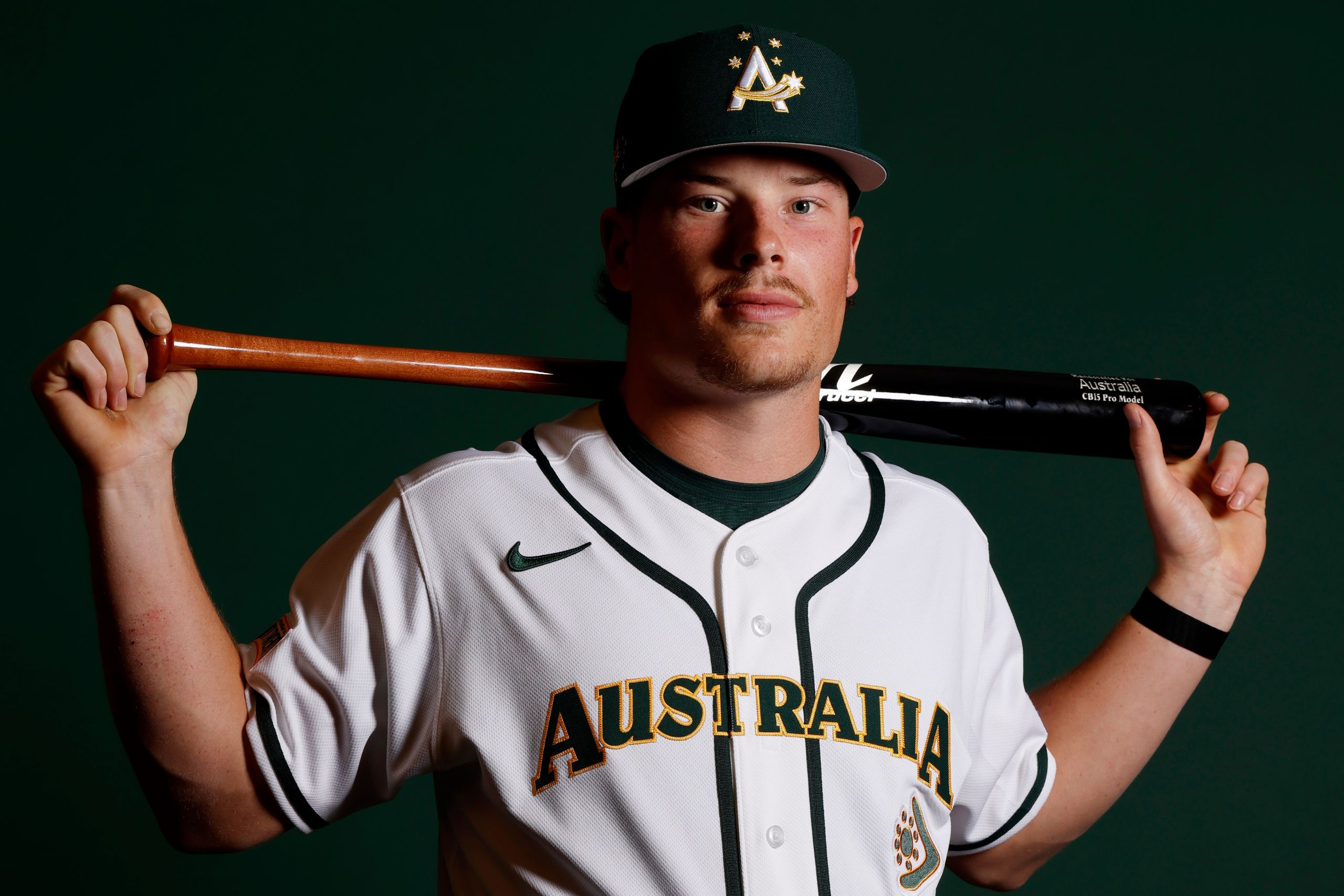
Conversely, the tournament is establishing itself as a high-leverage development platform. The inclusion of top-ranked prospects, exemplified by Australia’s Travis Bazzana (Cleveland Guardians’ top prospect), signals MLB organizations’ increasing comfort in testing valuable minor league assets under international pressure. This strategy allows nations like Australia to rapidly bridge the talent gap against established powers.
Traditional powerhouses (Japan, Dominican Republic, Venezuela) demonstrate a different approach: fielding rosters composed overwhelmingly of established MLB/NPB veterans. This creates a tactical dichotomy: veteran-heavy squads prioritizing immediate win probability versus prospect-led underdogs using the WBC to accelerate national program maturation. The tournament thus becomes a laboratory for assessing major league readiness versus seasoned professional continuity.
Tactical Demands: Depth Over Star Power in Short Series
Pool A competition in San Juan highlights the strategic imperative of roster balance over reliance on singular superstars, mirroring the tight 2-2 finishes seen in the 2023 Taiwan pool. In short-series formats governed by restrictive pitching rules, the consistent deployment of a versatile bullpen and lineup across four games outweighs the impact of a single elite player.
Canada’s projected viability in Pool A hinges on this depth. Puerto Rico’s challenge is to rapidly achieve that balance in the absence of its marquee infielders, forcing reliance on developmental pipelines against well-rounded opponents. Furthermore, host city selection (San Juan, Houston, Miami) is strategically aimed at maximizing commercial return through culturally resonant, high-leverage atmospheres that psychologically mimic postseason intensity.
The Ohtani Benchmark and Legacy Stakes
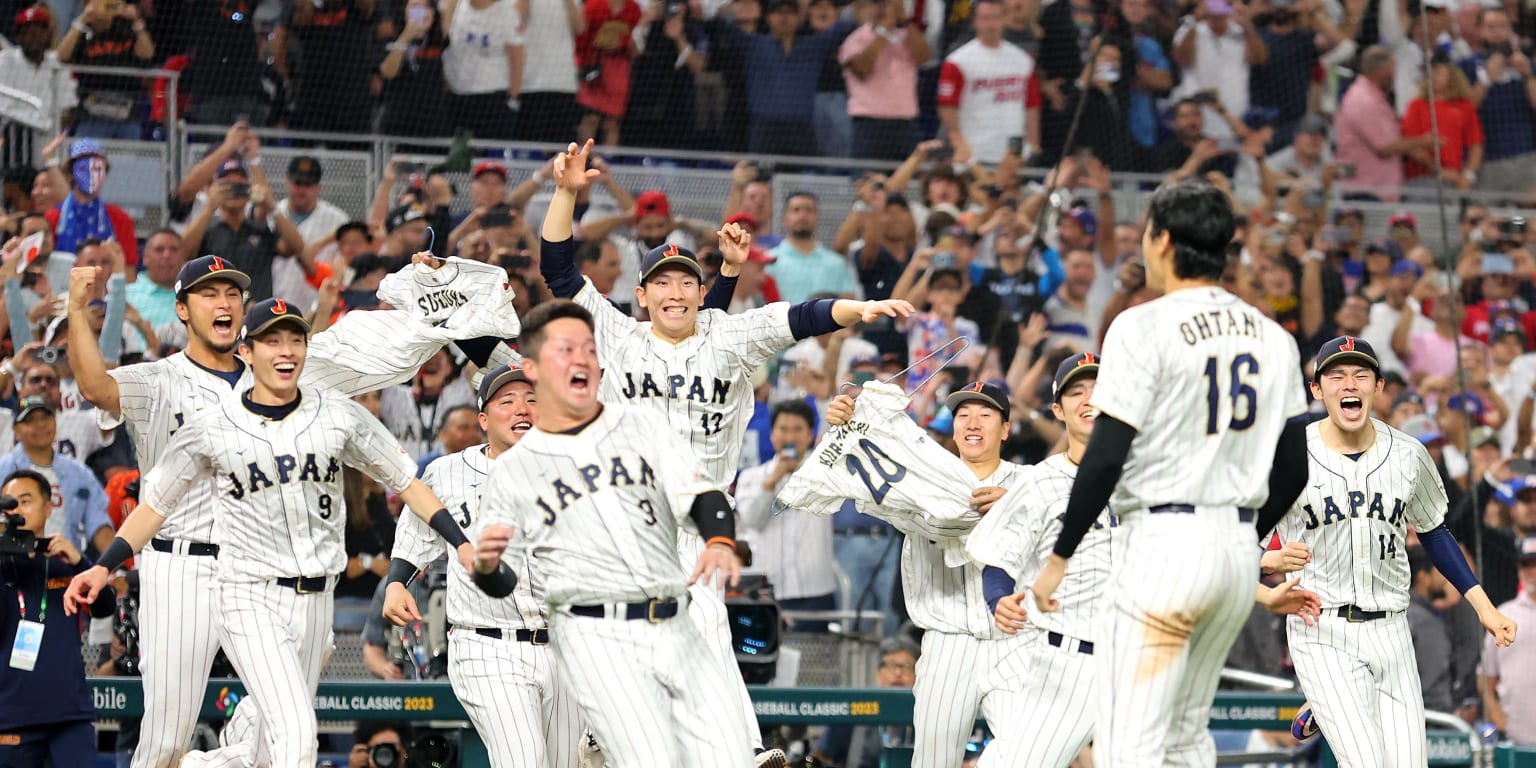
The 2023 tournament set an unprecedented competitive benchmark via the Ohtani-Trout showdown, framing the WBC as a crucial proving ground for individual legacies. However, the lingering memory of Ohtani’s strikeout against Czech electrician Ondřej Satoria serves as a structural warning: high-velocity dominance can be neutralized by timing variance in single-plate-appearance scenarios, highlighting the inherent unpredictability of the format.
The paradox facing the 2026 event is that its prestige relies on the participation of these legacy-defining stars, yet institutional and financial pressures are mounting for them to abstain. Successfully navigating this volatility while maintaining competitive integrity remains the event’s central challenge.
Operational and Global Consequences
Roster volatility imposes operational consequences on MLB spring training, forcing clubs to immediately recalibrate workload distribution following last-minute withdrawals. The WBC format demands specialized roster construction favoring multi-inning arms, rewarding nations whose player management strategies align with these constraints.
Globally, the 2026 event is a crucial driver for MLB’s international brand expansion. Success will be measured by capital movement in new markets—including Oceania and Europe—where emerging talent is already making inroads. The tournament remains the unique platform where diverse talent levels converge, essential for the sport’s global trajectory.