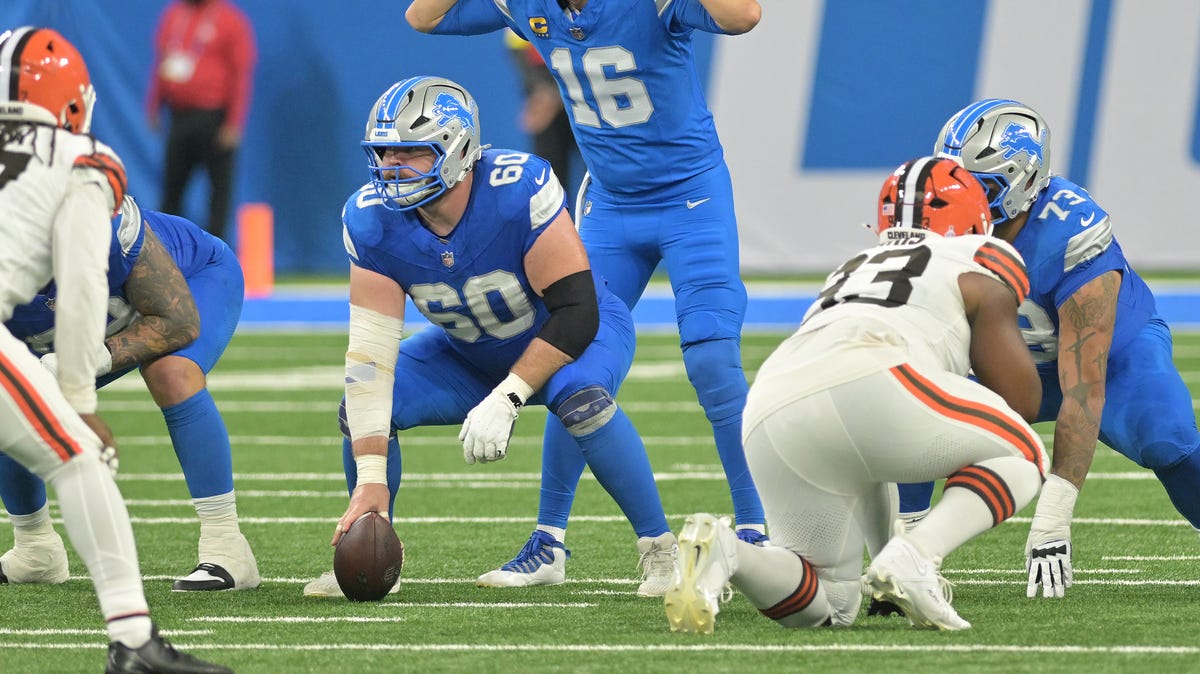
Fiscal Optimization and Cap Architecture
The Detroit Lions’ decision to release veteran offensive lineman Graham Glasgow serves as a decisive maneuver in optimizing the franchise’s financial architecture. By terminating the contract of the 33-year-old veteran, the front office secures approximately $5.56 million in immediate salary cap relief. This injection of liquidity is vital for a team navigating the complexities of the modern NFL salary cap, effectively offsetting the $2.88 million in dead money incurred by the transaction. The move reflects a preference for long-term roster flexibility over the diminishing marginal utility of high-cost veteran continuity.
Timing is a critical variable in this divestment. Executing this release ahead of the league’s primary free agency window allows the Lions to pivot aggressively toward internal extensions or external acquisitions. The scheduled $6.5 million salary for Glasgow had become a logistical bottleneck in the team’s resource allocation strategy. By shedding this obligation, Detroit transitions toward a more sustainable labor model within the interior offensive line, emphasizing cap health as a strategic asset for high-leverage personnel decisions.
Operational Transition and Succession Management
Beyond the balance sheet, Glasgow’s departure represents a significant operational pivot for a unit that has historically prioritized experience. With 147 career appearances and 136 starts, Glasgow provided institutional knowledge and multi-position versatility. However, the decision to move on indicates an organizational belief that the delta between Glasgow’s performance and a younger, more affordable replacement is narrowing. This transition aligns with a developmental timeline designed to maximize the team’s current competitive window.
The succession plan likely involves a shift toward younger assets, prioritizing physical upside and lower relative costs. While Glasgow’s ability to navigate three different interior positions provided a tactical safety net, the organization is now betting on the growth of its developmental pipeline. This strategy acknowledges that in a hard-cap environment, elite units must occasionally sacrifice stable, albeit plateauing, veteran production to foster higher-ceiling prospects who fit the team’s long-term physical profile.
The Intangible Deficit: Intellectual Capital and Culture
The release of Glasgow creates a vacuum in the locker room culture that transcends statistical output. Noted by coaching staff for his meticulous preparation—exemplified by detailed scouting journals and professional standards—Glasgow served as a stabilizing force for the unit’s younger cohort. The loss of this ‘archived intelligence’ represents a depletion of the room’s collective preparation standards. Replacing this veteran leadership will be a primary challenge for the remaining core as they integrate new personnel into a high-synchronicity system.
Market Trajectory and Strategic Outlook
For Glasgow, this release marks a juncture in a career defined by durability and intelligence. At 33, his value on the open market will be assessed through the lens of a high-floor veteran backup or a bridge starter for a franchise seeking interior stability. For the Lions, the move signals a commitment to a specific identity: one that values financial agility and physical dominance. The $5.56 million saved is not merely a number but a strategic tool to be deployed in building a sustainable contender in a rapidly evolving NFC landscape.