Austin Mass Shooting: Unpacking Urban Security Flaws, Geopolitical Motive Probes
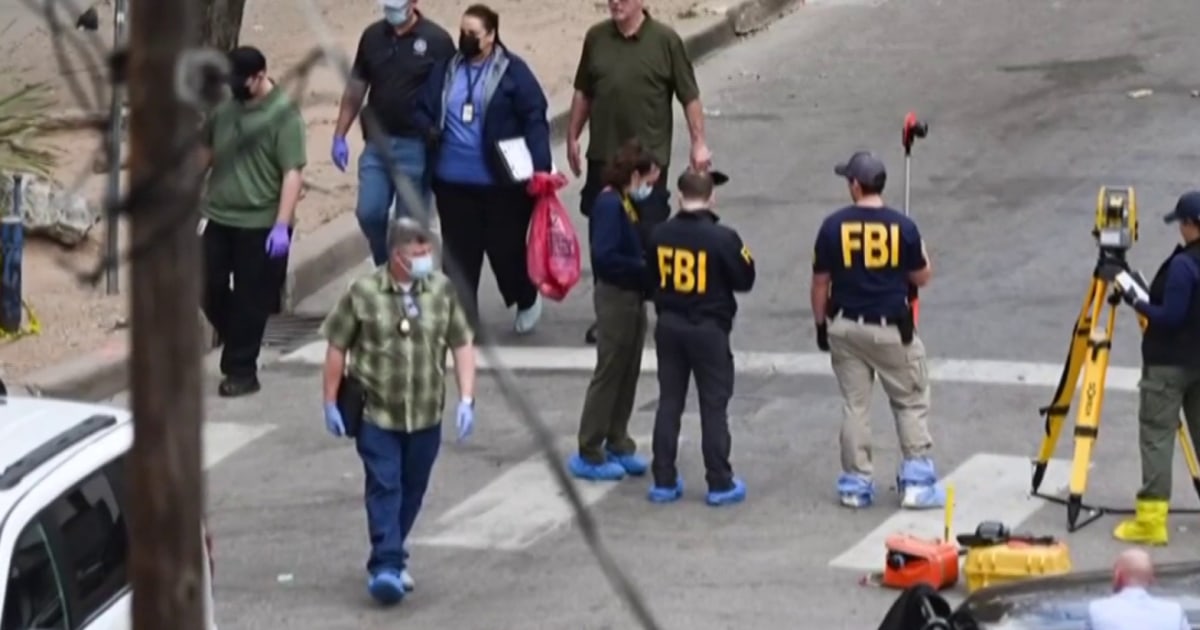
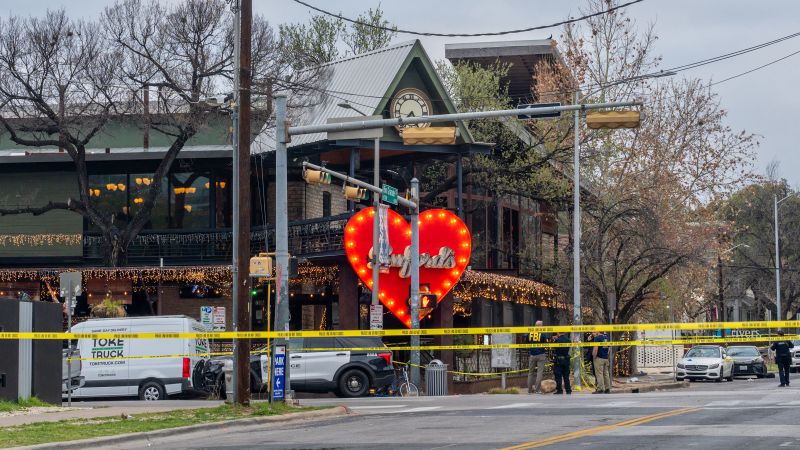
An early Sunday morning mass shooting shattered the vibrant atmosphere of Austin’s Sixth Street entertainment district, a pivotal economic and cultural nexus within the Texas capital. The incident, where a suspect initiated gunfire from an SUV before continuing the assault on foot, left multiple fatalities and injuries, immediately activating a complex, multi-agency response to a profound urban security breach. This event not only exposed the inherent vulnerabilities of densely populated public spaces to indiscriminate violence but also ignited critical investigations into both localized public safety protocols and potential geopolitical motivations, elevating the discourse beyond a singular criminal act.
Immediate Operational Challenges & Systemic Public Safety Response
The initial response to the Austin shooting underscored significant operational hurdles inherent in managing large-scale public safety incidents within dynamic urban settings. Law enforcement agencies faced the immediate, multifaceted task of securing a sprawling crime scene across a bustling entertainment district, while simultaneously coordinating emergency medical services for numerous casualties. This simultaneous demand for threat containment, evidence preservation, and rapid casualty care critically tested the preparedness and interoperability of municipal emergency protocols.
Effective crisis management demanded swift communication and coordinated action among police, fire, and medical personnel to mitigate further harm and ensure efficient victim care. The subsequent process of victim identification and notification posed considerable institutional and emotional challenges; initial discrepancies in reported ages, exemplified by early reports for Ryder Harrington, highlighted the chaotic nature of information gathering during a crisis and the imperative for meticulous official verification.
Furthermore, the high number of patients requiring life support and critical care profoundly strained local healthcare infrastructure. Hospitals were compelled to activate mass casualty protocols, allocating specialized resources and personnel to manage an abrupt influx of severe trauma cases, thereby exposing systemic pressures on capacity and operational efficiency under duress.
Economic, Social, and Policy Repercussions for Urban Centers
The deliberate targeting of a prominent entertainment district like Austin’s Sixth Street precipitates far-reaching economic and social repercussions, extending well beyond the immediate human tragedy. Such districts are indispensable to a city’s tourism and local economy, relying heavily on public perception of safety and vibrancy to attract visitors and sustain commercial activity.
Businesses within the affected zone experienced immediate disruption, including forced closures and a probable long-term decline in patronage as public confidence erodes. This translates directly into substantial revenue losses for bars, restaurants, and other establishments, impacting local employment, tax revenues, and potentially altering the urban commercial landscape permanently. The incident necessitates a comprehensive re-evaluation of urban planning and security paradigms for high-density pedestrian zones. City authorities and business associations must weigh the implementation of enhanced surveillance, controlled access points, and increased, visible security presence to re-establish a sense of safety, often incurring significant financial outlays for infrastructure upgrades and personnel. The delicate balance between fostering an open, accessible urban environment and bolstering security becomes a central policy debate.
Beyond economic considerations, the social fabric of the community endures a collective trauma, with residents and visitors grappling with a diminished sense of security in previously cherished public spaces. This can lead to shifts in consumer behavior, reduced social engagement, and a broader psychological toll on the urban populace, challenging the city’s overall resilience.
The Intricate Web of Motive Attribution and Geopolitical Nexus
A pivotal, and as yet unconfirmed, facet of the ongoing investigation centers on whether the suspect was galvanized by recent US-Iran strikes. This line of inquiry introduces a complex layer of geopolitical context, potentially transforming the incident from a localized act of violence into one with broader national security implications.
Attributing motive in such cases is inherently challenging, demanding extensive forensic analysis, rigorous digital footprint investigation, and nuanced psychological profiling. Investigators must painstakingly discern definitive links between external geopolitical events and an individual’s actions, a task frequently mired in ambiguity and speculative pathways. Should a credible connection to international events be substantiated, it would compel heightened involvement from federal agencies, redefining the operational scope of the investigation and directly influencing broader counter-terrorism and domestic extremism strategies.
The mere suggestion of a geopolitical motive, even when unconfirmed, carries profound societal ramifications. It can significantly influence public discourse, shape media narratives, and intensify perceptions of threat, potentially contributing to heightened anxieties and social polarization. Law enforcement agencies thus face the delicate imperative of communicating potential motives transparently, yet without prematurely validating speculative claims or inadvertently inciting further unrest or misinterpretation. This requires a meticulously calibrated public information strategy, particularly amidst international political sensitivities.
Institutional Policy Review and Future Governance Implications
The Austin shooting compels a critical and systemic examination of institutional responses across all levels of governance and public service. Municipal authorities are driven to review existing emergency preparedness plans, assessing their efficacy in real-world scenarios and identifying precise areas for refinement in crisis management frameworks, from tactical response to strategic recovery.
This comprehensive review extends to operational protocols for securing large public gatherings and entertainment districts. It will likely precipitate policy adjustments concerning crowd control methodologies, the optimal deployment of security personnel, and rapid intervention strategies. The fundamental policy debate centers on how to maintain the vibrancy of open, accessible urban spaces while simultaneously integrating robust, yet unobtrusive, security measures.
For law enforcement, the incident necessitates a thorough internal assessment of training efficacy, equipment suitability, and inter-agency coordination, especially in responding to dynamic active shooter situations involving mobile assailants. Strategic planning for future events will unequivocally integrate lessons learned from this specific operational context to enhance response capabilities.
Concurrently, the healthcare system’s capacity to manage mass casualty events is sharply re-evaluated, prompting discussions on resource allocation, emergency room surge capabilities, and the provision of long-term psychological support services for both victims and first responders. Such incidents invariably expose the systemic vulnerabilities and operational limits of public health infrastructure.
Furthermore, the deep dive into the suspect’s potential motivations, particularly any ties to broader geopolitical conflicts, stands to significantly influence national security policy and intelligence gathering efforts. This could lead to intensified scrutiny of online radicalization pathways, the propagation of extremist ideologies, and the complex intersection of international events with domestic extremist activities.
Media Scrutiny, Information Integrity, and Crisis Communication
The aftermath of a high-profile incident like the Austin shooting places extraordinary demands on media organizations and official public information channels. The urgent societal need for immediate updates and contextual clarity frequently conflicts with the deliberate, methodical pace of criminal investigations, particularly when critical elements like motives remain unconfirmed.
Journalistic practices are stringently tested in balancing the public’s right to know with the ethical imperative to avoid speculation and safeguard the integrity of ongoing investigations. The reporting of potential, unconfirmed motives, such as links to US-Iran strikes, mandates meticulous attribution to official sources and transparent caveats regarding their preliminary or unverified status.
Official statements from authorities, exemplified by those from Austin Police Chief Lisa Davis, become paramount conduits for factual information, yet even these are subject to iterative clarification and refinement as new details invariably emerge. The public’s reliance on these official channels for accurate, timely updates underscores the critical importance of clear, consistent, and transparent communication strategies throughout a crisis, countering rumor and speculation.
The broader media ecosystem, critically including social media platforms, plays an increasingly influential role in shaping public perception and disseminating information—both factual and erroneous. Managing the public narrative, proactively countering misinformation, and fostering an environment of information integrity present an additional, complex challenge for authorities and traditional news outlets alike.
Architecting Urban Resilience: Long-Term Implications for Governance and Society
The Austin shooting serves as a profound and somber catalyst, compelling urban centers to confront persistent challenges in maintaining public safety and cultivating resilience against multifaceted acts of violence. The incident will undoubtedly initiate a sustained period of introspective reflection and strategic planning within city governance, focusing on developing comprehensive, adaptive security frameworks.
This extends beyond immediate tactical responses to encompass long-term, proactive investments in community engagement, accessible mental health services, and enhanced intelligence-sharing initiatives, all meticulously designed to pre-empt future occurrences. The overarching objective is to forge a more robust, adaptable, and inherently secure urban environment, capable of withstanding a diverse spectrum of threats while preserving civic freedoms.
The incident’s deep impact on local politics and civic discourse will be undeniable, as elected officials navigate intense public demands for heightened security measures against ongoing debates over individual liberties and equitable resource allocation. These critical discussions will fundamentally shape future policy directions and influence municipal budgeting priorities for years to come.
Ultimately, the capacity for Austin, and indeed other global urban centers facing similar threats, to recover, adapt, and thrive post-incident hinges on a meticulously coordinated, multi-stakeholder approach. This necessitates addressing both the immediate consequences and the underlying systemic vulnerabilities through continuous adaptation of public safety strategies, fostering profound community trust, and demonstrating an unwavering, transparent commitment to urban resilience and democratic governance.