
Immediate Market Revaluation Following Kinetic Escalation
Crude oil futures executed a severe upward repricing following confirmation of military engagements involving the United States, Israel, and Iran. The US benchmark, WTI crude, surged approximately $8 per barrel, equating to a sharp 12% increase to settle near $75 in early trading sessions. The international Brent benchmark registered a parallel, sharp ascent, breaking 12% to approach $82 per barrel against Friday’s close above $73.
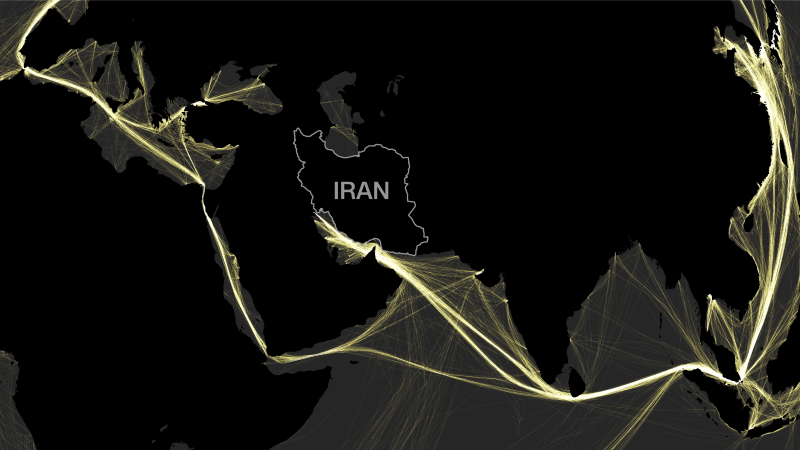
This immediate, synchronized repricing quantifies the market’s rapid assessment of critical supply chain vulnerability and the significant risk premium now embedded in Middle Eastern energy transit security.
Macroeconomic Contagion and Sectoral Divergence
Broader equity indices reacted with a systemic risk-off move. S&P 500, Nasdaq, and Dow Jones Industrial Average futures declined over 1%, reflecting macroeconomic apprehension stemming from higher input costs and potential inflation acceleration. Capital flow demonstrated a distinct bifurcation: energy sector futures experienced significant gains, whereas consumer-sensitive sectors faced contractionary pressure.
Major integrated energy firms (e.g., Exxon, Chevron) saw futures advance near 2%, capitalizing directly on the elevated commodity price environment. Conversely, defense contractors (e.g., Northrop Grumman, Lockheed Martin) posted only marginal gains, indicating the market’s initial focus is overwhelmingly concentrated on the commodity supply shock rather than immediate, large-scale defense procurement acceleration.
The magnitude of the crude spike signals that market participants are pricing in a substantial, potentially protracted disruption to flow, effectively nullifying existing inventory data and overriding recessionary fears associated with general equity declines.
OPEC+ Response and Insufficient Supply Buffer
The Organization of the Petroleum Exporting Countries (OPEC+) responded by announcing an intention to increase daily output by 206,000 barrels. This reactive policy shift contrasts with the prior quarter’s lower incremental increase (137,000 bpd), yet market consensus suggests this marginal supply adjustment is insufficient to absorb the heightened geopolitical risk premium.
Energy analysts underscore that the structural risk stemming from kinetic conflict outweighs the marginal supply buffer provided by the announced OPEC+ increase. The market has shifted from pricing the anticipation of conflict to pricing realized geopolitical risk, with the $8/barrel WTI jump serving as the direct measure of this recalibration.
Strategic Implications for Energy Security and Inflation Trajectory
Sustained elevated crude prices directly impose increased operational costs across energy-dependent industrial sectors. This inflationary pressure on inputs will inevitably translate into consumer price increases, raising concerns about the persistence of inflation in core economic metrics.
For energy-importing nations, the immediate consequences include trade balance deterioration and increased fiscal strain managing domestic subsidies. The rapid Brent surge places acute pressure on economies with fixed exchange rates or high dependency on imported petroleum.
The core lesson exposed is the fragility of global energy equilibrium: localized state-level confrontation instantly imposes systemic costs across the entire apparatus, overriding established production agreements and inventory strategies. Central banks face an immediate assessment: is this a temporary shock or a sustained inflationary impulse requiring monetary policy intervention?

Photo by Az1975 on Pixabay.