Strategic Escalation and Iran’s Leadership Vacuum
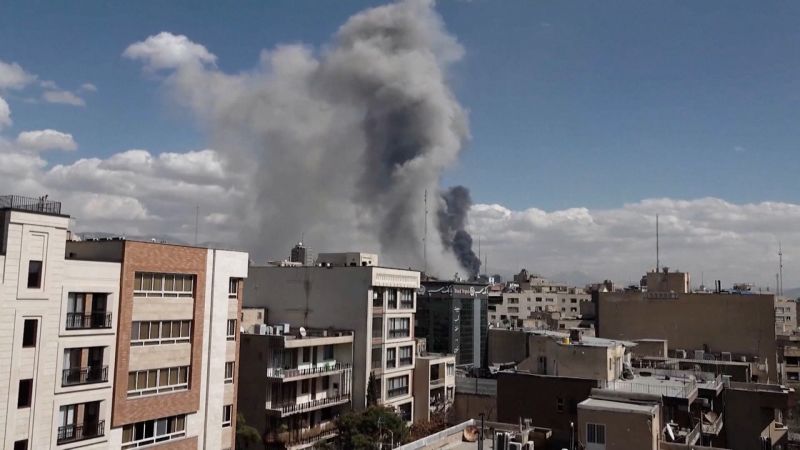
The joint US-Israeli military operations against Iran represent a strategic inflection point, resulting in the death of Supreme Leader Ali Khamenei. This event has not merely altered the political landscape but created a profound power vacuum at the pinnacle of Iran’s governance structure. The immediate formation of a transitional council highlights the regime’s urgent need to maintain institutional continuity and manage state affairs amidst external pressure and internal uncertainty. This escalation, marked by Israeli strikes penetrating “the heart of Tehran,” signals a fundamental shift in targeting strategy from previous containment efforts. By striking core centers of power rather than limiting actions to peripheral or proxy targets, the campaign directly challenges the regime’s internal stability and legitimacy.
The succession process in Iran, a complex interplay between the political establishment and the Islamic Revolutionary Guard Corps (IRGC), now faces unprecedented external stress. The selection of a new leader is critical, as it determines the future strategic direction of the regime—specifically its approach to nuclear ambitions, regional proxies like Hezbollah, and relations with major global powers. The transitional council’s primary challenge is to navigate this power struggle, prevent internal fragmentation, and ensure control over state institutions while under direct military assault. The confirmation of three American casualties underscores the direct operational risks and potential for mission creep inherent in this high-stakes military action, further complicating domestic justification efforts, as evidenced by President Donald Trump’s video detailing the rationale for the attacks.
Economic Fallout and Global Supply Chain Vulnerability
The military operations have immediately impacted global economic stability, specifically by disrupting the flow of oil through the Strait of Hormuz. This critical chokepoint for global energy supplies is now a major source of systemic risk. The interruption of oil transit through this channel creates significant price volatility and uncertainty in global supply chains. The immediate consequences include a surge in operational costs for shipping and potential inflationary pressure on consumer economies dependent on oil imports. This exposure highlights the fragility of global energy infrastructure in high-conflict zones.
Beyond the energy sector, the instability has severely disrupted regional logistics. The cessation of commercial flights and breakdown of supply chains in metropolitan areas indicate a significant disruption to normal economic activity. This increases the operational risk for international businesses operating in the region and triggers capital flight as investors seek safer havens. The disruption to commercial confidence suggests potential long-term damage to regional infrastructure and economic development. The White House’s “messaging call” with allies and members of Congress, focusing on mitigating economic fallout, underscores the international dimensions of the crisis and the need for coordinated policy responses to manage market volatility.
Diaspora Re-evaluation and Policy Reconfiguration
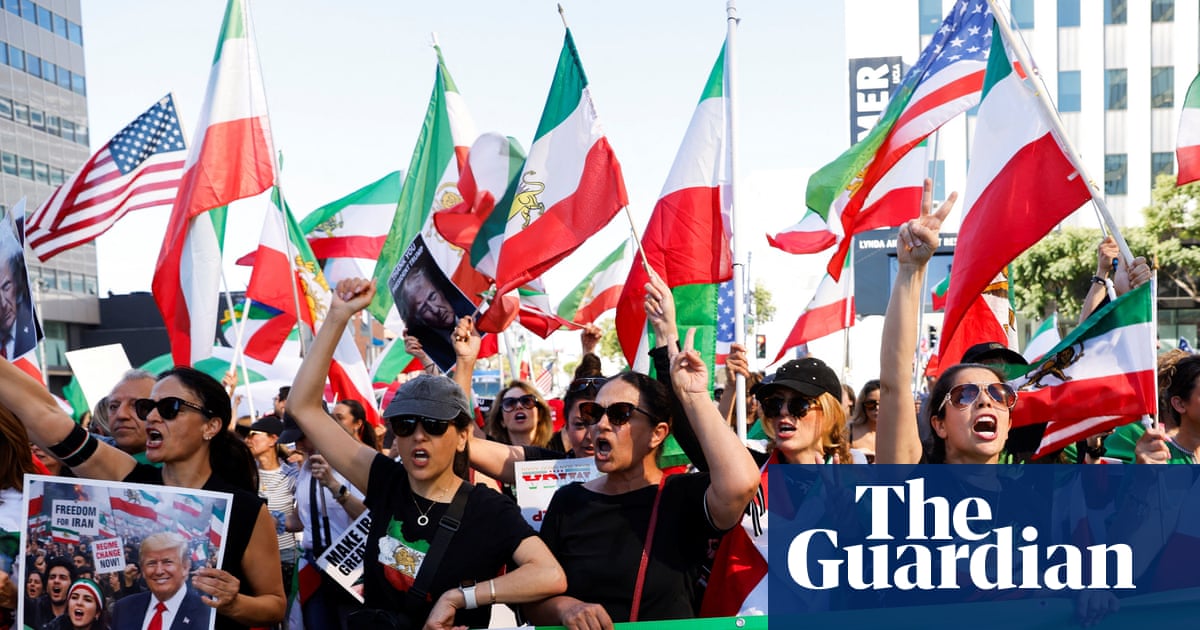
The military action has triggered a significant re-evaluation of strategic positions among key stakeholders, particularly within the Iranian diaspora. This shift is exemplified by Alaleh Kamran, a criminal defense lawyer in Los Angeles, who previously advocated for diplomacy and the nuclear deal. Kamran now views the US-Israeli strikes as a necessary act of “liberation,” reflecting a fundamental re-assessment of the regime’s nature and the efficacy of diplomacy. Her disillusionment stems from a belief that internal reform is unattainable and that external pressure is required to facilitate change. This perspective aligns her with more conservative elements of the Iranian diaspora who initially opposed the nuclear deal.
This convergence of views suggests a growing consensus among some diaspora members that the regime is irreformable. The context for this shift is provided by reports of recent internal protests where thousands were allegedly killed. This internal dissent has reached a critical point, leading some stakeholders to conclude that military intervention is justified as a means to support the internal opposition. The “liberation” framing reframes the conflict from a geopolitical dispute to a humanitarian intervention, providing a moral justification for the military actions and potentially influencing future US foreign policy toward Iran.
Narrative Control and Long-Term Implications
The White House’s decision to hold a “messaging call” with allies and members of Congress demonstrates the critical role of information control in modern geopolitical conflicts. This strategic effort aims to ensure a unified public message and maintain coalition support. By appearing on Sunday news shows to disseminate an aligned narrative, the administration seeks to shape public opinion and mitigate domestic political risk. In an environment where information dissemination is instantaneous, controlling the narrative is essential to prevent conflicting statements from undermining strategic objectives.
Looking forward, the death of the Supreme Leader and subsequent military escalation introduce significant long-term implications for regional stability. The power vacuum in Tehran reconfigures the regional balance of power. The transitional council’s ability to maintain control will determine whether the regime can weather the crisis or if internal fragmentation will lead to further instability. The shift in diaspora opinion suggests a potential change in the political landscape surrounding US foreign policy toward Iran. The disruption of oil flow has exposed global energy vulnerability, likely accelerating efforts to diversify energy sources and shipping routes to mitigate future risks. The conflict’s overall impact on global capital movement and regional stability suggests a need for businesses to re-evaluate operational risks and develop contingency plans for future instability in the region.