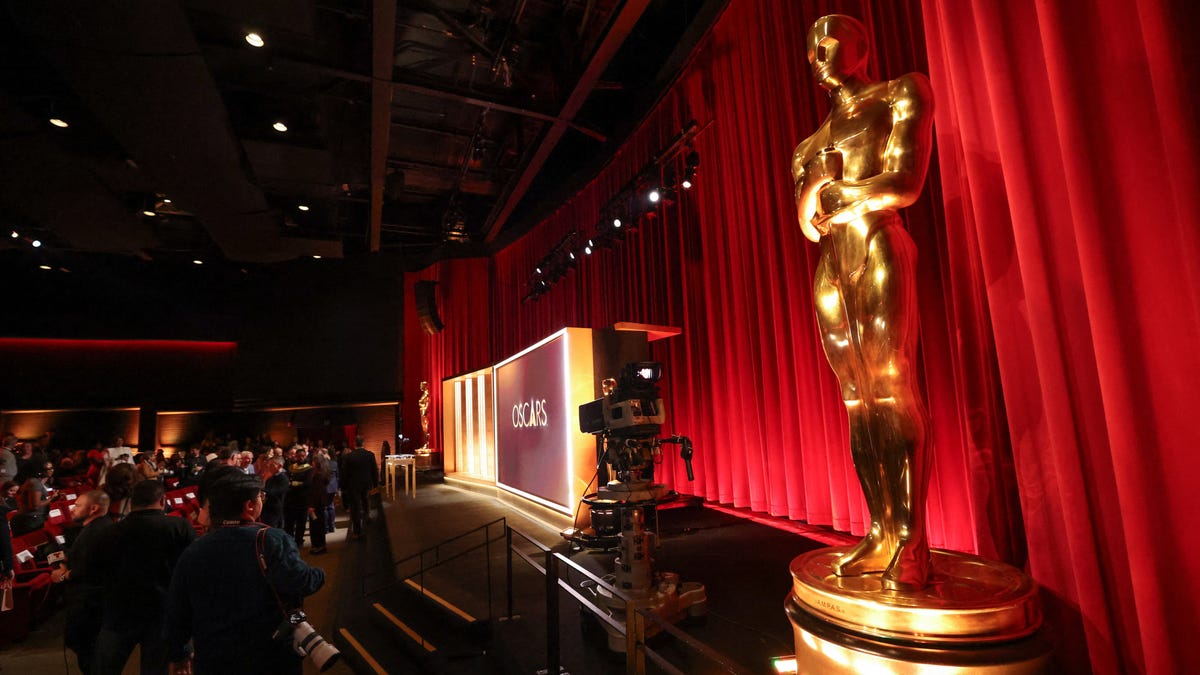
Institutional Evolution of the 98th Academy Awards
The 98th Academy Awards, slated for March 15, 2026, mark a pivotal transformation in the prestige film cycle. The Academy’s selection of ten Best Picture nominees reflects a deliberate synthesis of high-concept genre cinema and traditional dramatic narratives. This shift indicates an institutional effort to align critical prestige with commercial viability, effectively insulating the awards from historical accusations of insularity while addressing the needs of a fragmented media landscape.
Bifurcated Distribution and Regional Exhibition Logistics
The 2026 distribution landscape highlights a sophisticated approach to audience engagement. While high-capacity multiplexes like AMC Forum 30 in Sterling Heights remain central hubs for eight of the ten nominees, boutique exhibitors such as Emagine Theaters have optimized screening logistics through a dual-batch strategy. By scheduling screenings from March 6–12 (pre-ceremony) and March 13–19 (post-ceremony), exhibitors capitalize on both the ‘informed viewer’ demand and the ‘Oscar bounce’ revenue surge following the global broadcast.
Digital Monetization and Streaming Integration
The inclusion of Yorgos Lanthimos’s Bugonia via Peacock underscores the deepening integration of premium streaming services into the awards ecosystem. By leveraging exclusive rights to high-profile contenders, platforms drive subscriber acquisition during peak awards season. This is complemented by a multi-channel digital approach through Fandango at Home and Prime Video, providing a secondary revenue stream that bypasses traditional theatrical windows and reaches niche demographics prioritized by critical aggregation.
Genre Diversification as a Competitive Lever
The 2026 field is characterized by ‘elevated genre’ entries. Ryan Coogler’s Sinners (historical vampire narrative) and sports-centric dramas like Marty Supreme and F1 The Movie demonstrate the Academy’s receptivity to commercially driven tropes that possess dramatic depth. These works, alongside the gothic elements of Frankenstein and the social satire of Bugonia, provide a tonal counterpoint to classical historical dramas like Hamnet and Train Dreams, broadening the ceremony’s cultural resonance.
Critical Aggregation and Market Validation
Metrics such as the Tomatometer and the Awards Leaderboard have transitioned from consumer guides to essential industry benchmarks. High scores and ‘Golden Tomato’ status provide films like Paul Thomas Anderson’s One Battle After Another with the momentum necessary to influence Academy voting behavior. This transparency creates a data-driven narrative of front-runners and underdogs, serving as a powerful tool for marketing and distribution strategy in an increasingly competitive prestige market.
International Expansion and Global Recognition
The crossover success of Brazil’s The Secret Agent into the Best Picture race exemplifies the globalization of the Academy Awards. No longer confined to the International Feature category, such films highlight the erosion of linguistic barriers in prestige cinema. This global perspective reinforces the Academy’s status as a preeminent world authority, with significant implications for future international co-productions and distribution rights.
Conclusion: Industrial Implications for 2026
As the industry converges on the March 15 ceremony, the 98th Academy Awards demonstrate a robust and diverse cinematic landscape. The interplay between critical acclaim, strategic batching in theaters, and digital accessibility ensures that the Oscars remain a vital driver of innovation and a benchmark for excellence in the global film market.