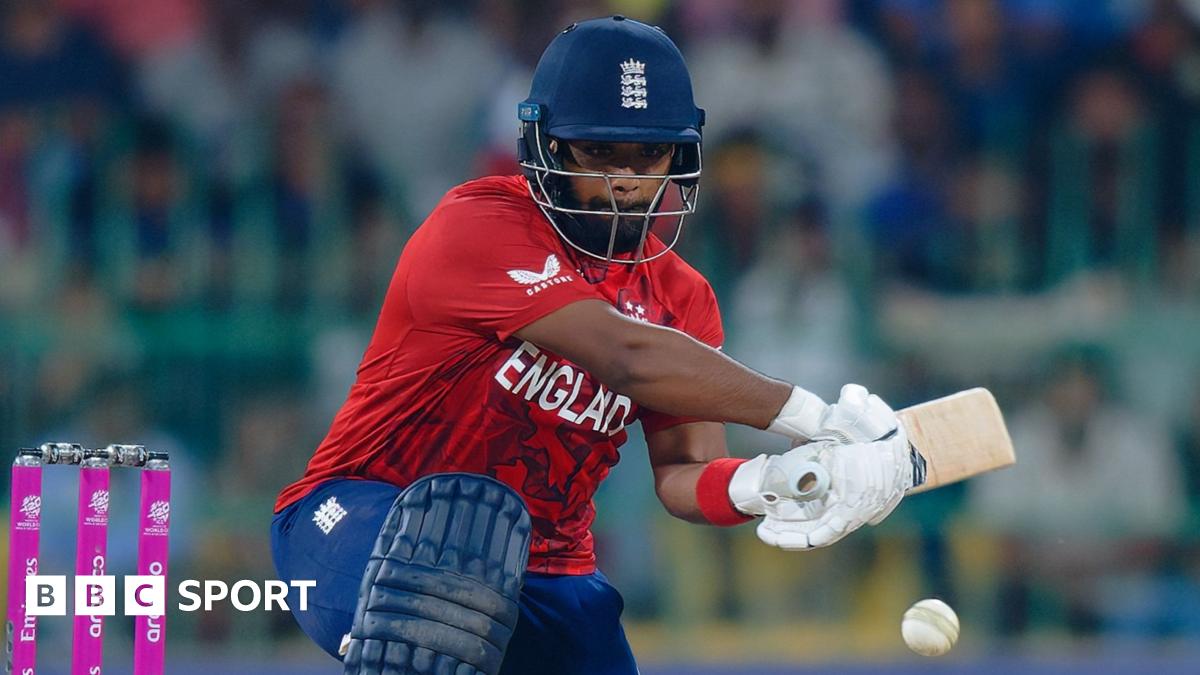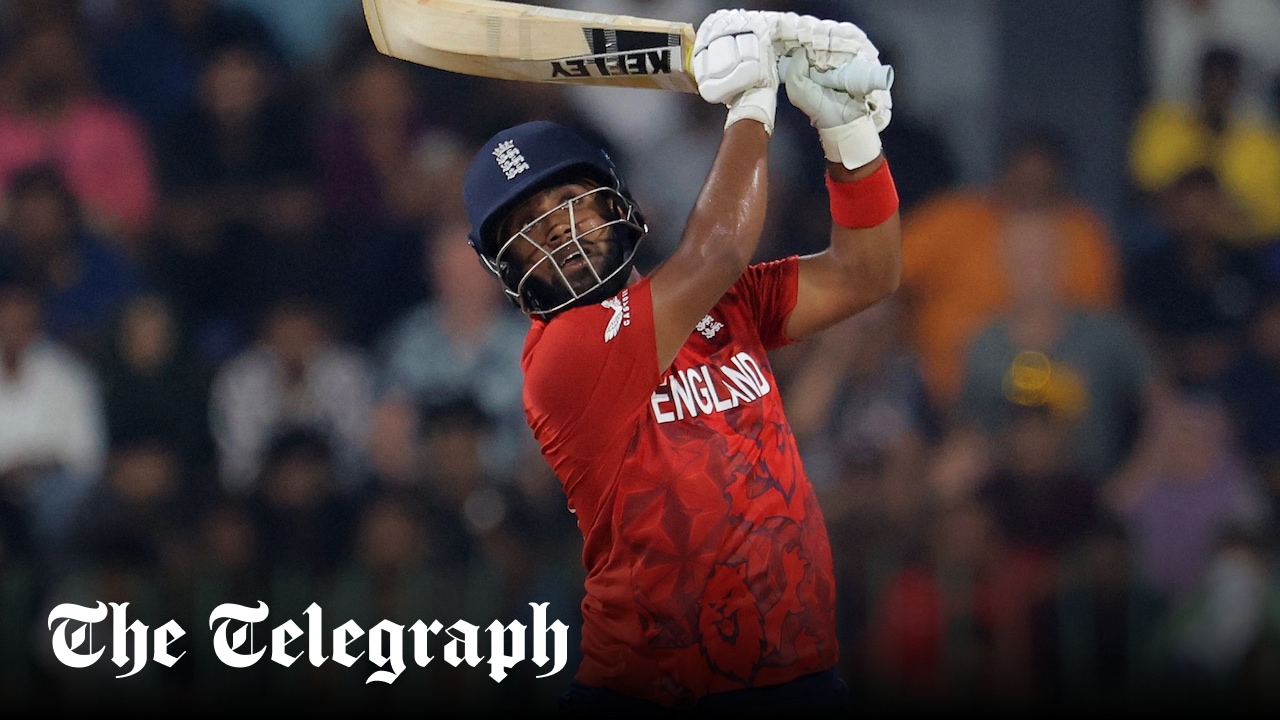
The Super Eights victory over New Zealand in Colombo serves as a definitive case study in England’s evolving tactical architecture under the leadership of Harry Brook and Brendon McCullum. This performance was characterized by an aggressive operational framework that prioritized specialized technical utility over traditional seniority, effectively recalibrating England’s trajectory for the remainder of the 2026 T20 World Cup.
Technical Optimization: The Ahmed Integration
Rehan Ahmed’s inclusion was not merely a selection gamble but a calculated response to the stochastic variables of the Colombo surface. In high-stakes subcontinental conditions, the transition from standard pace to specialized leg-spin is a primary driver of performance leverage. Ahmed’s immediate impact—securing a wicket with his inaugural World Cup delivery—validates the ECB’s data-driven talent identification. The dismissal of Rachin Ravindra via a disguised googly exploited a specific technical vulnerability in the New Zealand top order, disrupting their scoring rhythm through deceptive flight and varying release points.
Furthermore, Brook’s decision to deploy Ahmed in the final over represents a departure from conventional death-bowling paradigms. By favoring variation and lateral movement over raw velocity, England successfully neutralized New Zealand’s ability to execute standard power-hitting mechanics on a wearing pitch. This shift suggests that in turning conditions, deception is a more robust defensive deterrent than the traditional yorker-centric approach.
The ‘Sehwag’ Doctrine and Offensive Utility
England’s run chase was governed by the ‘Sehwag’ directive—a psychological and technical mandate from McCullum to maintain high-intent, boundary-focused aggression regardless of the match situation. This philosophy aims to induce a state of tactical paralysis in opposition bowlers by forcing constant field adjustments. Ahmed’s 19 not out, featuring aggressive strikes against Mitchell Santner and Glenn Phillips, demonstrated the practical application of this doctrine.
The lower-order synergy between Ahmed and Will Jacks highlights England’s structural depth. In contemporary T20 cricket, the capacity for bowlers to provide high-strike-rate contributions reduces the pressure on the top order, allowing for sustained risk-taking. This offensive redundancy is critical for mitigating the impact of mid-innings collapses and maintaining the required run rate through sheer psychological pressure.
Environmental Adaptation and Selection Liquidity
Despite Ahmed’s match-winning contribution, the impending semi-final in Mumbai introduces fresh environmental variables. Unlike the responsive surfaces of Colombo, Mumbai typically offers a ‘truer’ bounce and minimal lateral deviation, necessitating a potential shift toward a pace-heavy attack. The internal culture cultivated by Brook and McCullum emphasizes ‘selection liquidity’—the ability to rotate match-winners based on pitch metrics rather than historical performance.
Ahmed’s professional detachment regarding his spot in the starting XI reflects this systemic optimization. His rise from England’s youngest Test cricketer to a World Cup impact player represents a significant return on institutional investment. However, the decision to maintain or omit him for the Mumbai fixture remains a high-stakes test of England’s commitment to objective-based selection over individual momentum.
Strategic Exposure of the New Zealand Middle Order
For New Zealand, the Colombo defeat exposed a critical failure to adapt to high-quality leg-spin under pressure. The inability to rotate strike during the middle overs created a cumulative pressure that resulted in a collapse during the final phase of the match. While Santner and Phillips are experienced campaigners, their inability to contain Ahmed’s aggressive footwork suggests a lapse in defensive execution. This tactical exposure will likely necessitate a comprehensive review of their training protocols for subcontinental assignments, focusing on neutralizing attacking spin in low-bounce environments.