
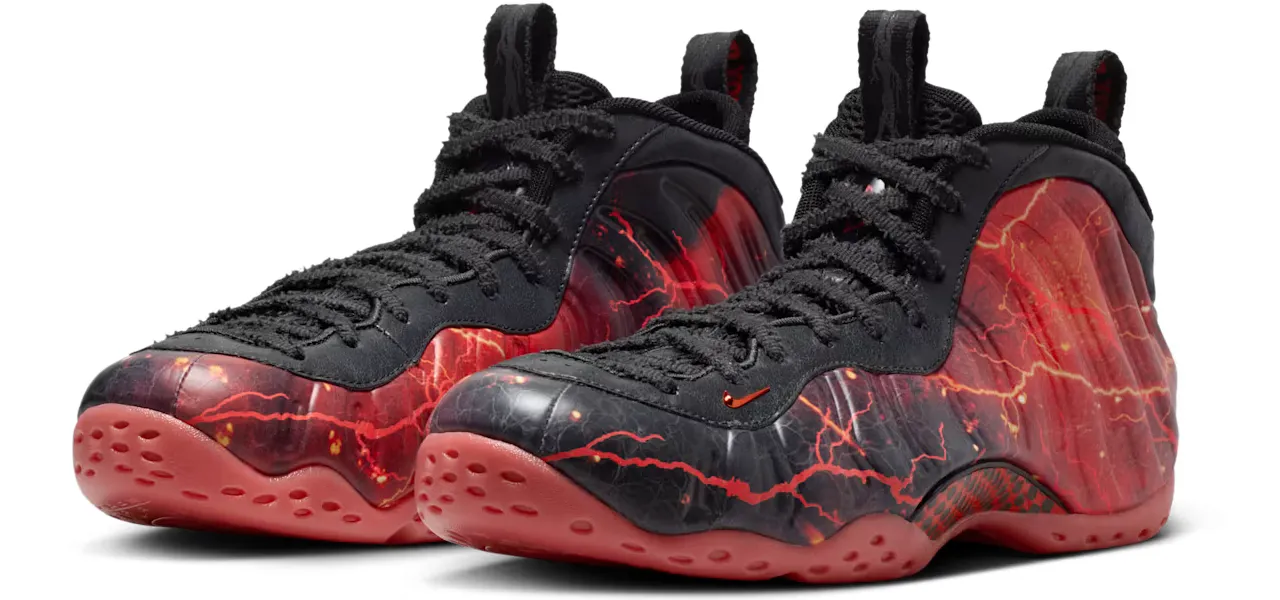
Nike is deploying a final, surgically timed product release capitalizing on the narrative conclusion of Netflix’s Stranger Things, launching the Air Foamposite One x Stranger Things “Vecna” colorway immediately following the resolution of the core Hawkins storyline.
Strategic Timing: Transitioning from Synergy to Artifact Value
The launch timing, deliberately positioned after the final season aired, signals Nike’s calculated transition from immediate promotional alignment to the long-term monetization of established cultural resonance. By isolating the drop from the series’ promotional wave, the sneaker is instantly redefined from a tie-in accessory into a highly specific, commemorative artifact.
This strategy is designed to amplify perceived scarcity and collectible value among committed franchise adherents by anchoring the product directly to the narrative’s climax—the moment of maximum emotional investment for the established viewer base. The design, deeply specific to Vecna, transforms the product into a tangible representation of narrative closure.
Translating Narrative Climax into Product Velocity
The material execution—featuring cracked synthetic leather, luminous vine graphics indicative of the Upside Down, and distressed elements—translates the source material’s aesthetic trauma into a wearable asset. This appeals specifically to collectors prioritizing deep narrative integration.
Insider signaling is key: inverted Nike branding and the ‘1 Cent’ logo reference the Upside Down’s altered reality, rewarding long-term Foamposite collectors and show lore experts simultaneously. This specialized, high-concept release targets the dedicated secondary market, contrasting with the broader appeal of earlier apparel drops.
Market Segmentation and Controlled Scarcity Mechanics
The $250 retail price and restriction to adult sizing through controlled channels (SNKRS app, Foot Locker) establish a high barrier to entry, reinforcing exclusivity. Nike tacitly acknowledges the aftermarket’s role in demand management by setting up an immediate pathway to trusted resale markets for those who miss the primary allocation.
This controlled scarcity maximizes immediate financial velocity from the primary sale while simultaneously seeding the aftermarket with high-value inventory, sustaining brand visibility and desirability long past the initial transaction window.
Mitigating Risk via Post-Conclusion Deployment
For Nike, releasing inventory post-finale mitigates the inventory risk associated with tying product launches to volatile, real-time viewership metrics. The premium pricing for the Foamposite One silhouette suggests a high-margin collaboration where the cultural licensing fee is absorbed into an already established premium structure.
The structure inherently benefits secondary market stakeholders; the confirmed sell-out guarantees immediate aftermarket premium realization, validating the investment thesis for resellers acquiring inventory at retail.
Brand Equity Recalibration and IP Concluding Strategy
This drop marks the probable cessation of Nike’s primary contractual engagement with the Stranger Things IP, prompting an assessment of the collaboration’s ROI across brand perception metrics. The success of this conceptually darker, high-fidelity release will critically inform future IP licensing strategies regarding the optimal balance between initial promotional impact and long-term collectible resonance.
The Foamposite as a High-Fidelity Canvas
The selection of the Air Foamposite One is structurally significant. Its molded, synthetic shell provides a superior canvas for translating complex aesthetic treatments—like the texture and glow effects—compared to traditional stitched or knit constructions. This choice solidifies the Foamposite’s role as a platform for material innovation, distinct from volume-driven lifestyle retro models.
Stakeholder Dynamics and Fandom Reception
The intense fan reaction confirms successful monetization of emotional attachment, indicating strong alignment between product concept and audience engagement with the series conclusion. However, the exclusion of smaller sizes exposes Nike to criticism regarding accessibility for younger fandom segments, segmenting immediate revenue concentration toward high-spending adult collectors.
Implications for Future IP Partnerships
Future IP partners will analyze this drop’s conversion rate of residual cultural capital into immediate sales to inform negotiation terms on staggered release schedules. The success validates reserving the most conceptually complex designs for the concluding phase of a partnership to maximize perceived exclusivity.
The operational friction of the SNKRS launch, while frustrating for direct consumers, reinforces the perception of high institutional demand. From Netflix’s perspective, this serves as an extended, high-visibility epilogue, maintaining commercial relevance post-finale by leveraging Nike’s distribution expertise.
Competitive Positioning and Legacy Assessment
This partnership demonstrates the enduring leverage of deep, narrative-driven collaborations tied to globally recognized streaming properties. Positioned against other high-tier releases, Nike consistently reinforces market dominance by leveraging cultural capital to drive transactional urgency even after the primary promotional cycle concludes.
The focus on Vecna, the story’s ultimate antagonist, prioritizes narrative closure over broad character appeal in maximizing the final product’s significance. The use of the complex Foamposite silhouette justifies the higher production complexity through the confidence in a guaranteed sell-through rate, making this final release a case study in extracting maximum residual value from a concluded cultural moment.

Photo by Couleur on Pixabay.