Atlético Madrid Champions League Crisis: Simeone’s Strategic Adjustments Tested by Club Brugge Playoff
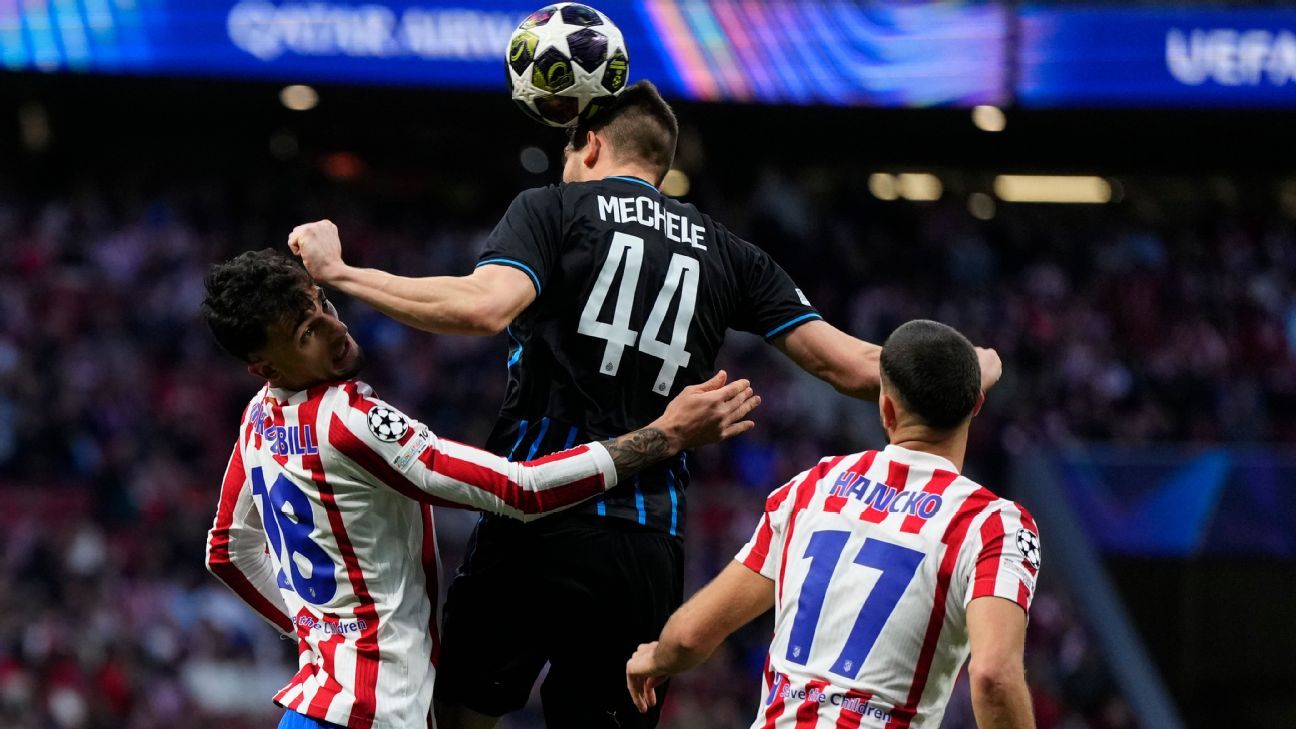
Atlético Madrid enters the second leg of the UEFA Champions League playoff against Club Brugge at a critical juncture in its season, where the outcome will serve as a definitive litmus test for the club’s strategic stability under manager Diego Simeone. The high-stakes fixture at the Estadio Metropolitano follows a turbulent 3-3 draw in the first leg, where Atlético surrendered a two-goal lead after initially taking control. This performance highlighted significant operational vulnerabilities and defensive indiscipline, defining the team’s ‘irregular season’ to date.
The Strategic Imperative for Stability
For Atlético Madrid, qualification for the Round of 16 is essential to stabilize a season marked by inconsistent performance and validate the club’s strategic direction. The first leg’s result, where Atlético lost a 0-2 lead, created significant pressure on the team’s operational discipline. Stakeholders, including the coach and captain, have emphasized the need for the team to “cerrándose mejor” (close better) in matches, indicating an internal recognition of performance gaps. The second leg against Club Brugge is therefore a direct test of whether Atlético can implement these necessary adjustments and demonstrate the resilience required for high-level competition.
Simeone’s Tactical Response and Roster Dynamics
Simeone’s lineup decisions for the second leg reflect a direct response to both the first leg’s performance issues and the broader challenge of managing an irregular season. The decision to make three changes to the starting eleven—introducing Baena and Sorloth in place of key attacking figures Griezmann and Lookman, and returning Llorente to the lateral position—suggests a calculated attempt to rebalance the team’s dynamics. These adjustments are not merely tactical; they represent a managerial effort to prioritize strategic rotation and performance optimization over sole reliance on established stars, aiming to manage player fatigue and maximize performance peaks during the season’s critical phase. The specific dilemma between Julián Álvarez and Alexander Sorloth further underscores the strategic choices Simeone faces in optimizing the attack while maintaining defensive solidity.
Financial and Competitive Stakes
The significance of this match extends beyond immediate tournament progression. Qualification for the Round of 16 carries substantial financial weight for both clubs, particularly for Club Brugge. Advancing provides significant revenue from UEFA prize money and television rights, which can materially impact a club’s financial planning and future transfer market strategy. For Atlético Madrid, failure to qualify would be a significant financial blow and a competitive setback, potentially impacting the club’s ability to maintain its competitive edge against rivals like Liverpool or Tottenham, who are listed as potential future opponents. The outcome directly affects the competitive narrative of the season, determining whether Atlético can signal a return to form or exacerbate existing performance concerns and intensify scrutiny on Simeone’s long-term strategy.
Club Brugge: The Disrupting Force
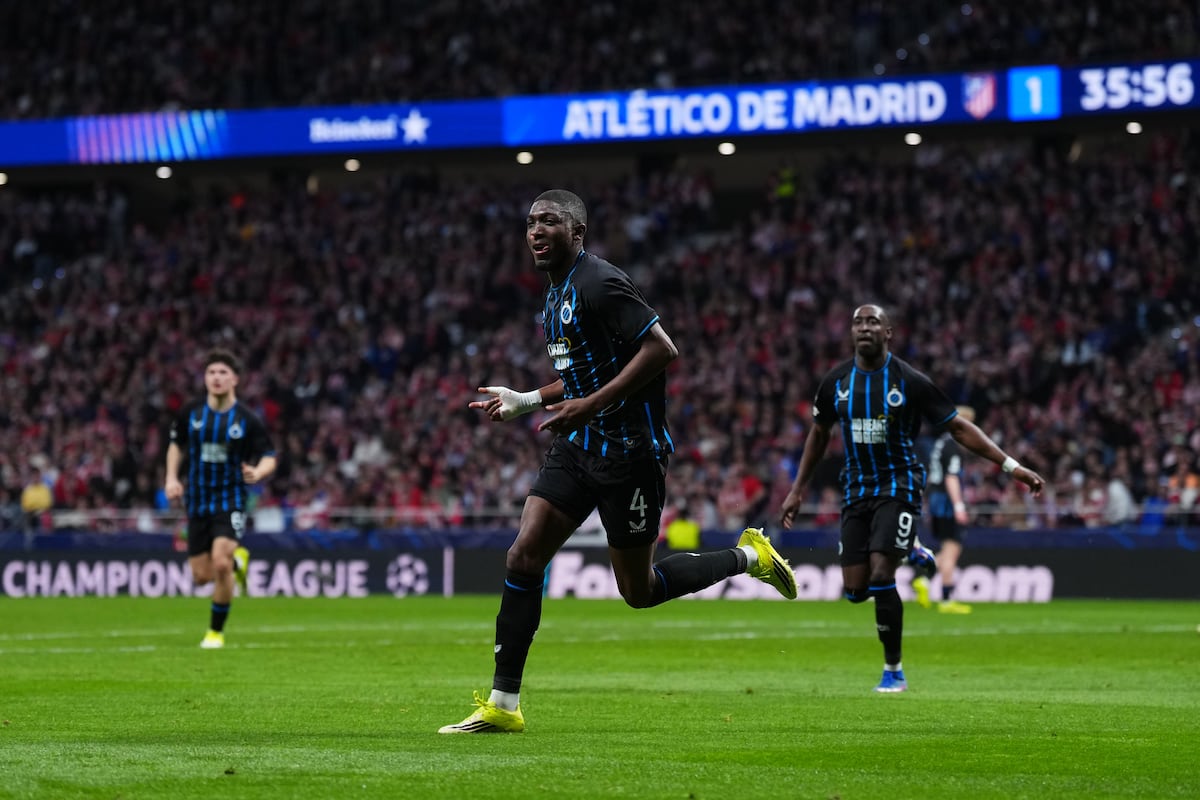
For Club Brugge, the match represents a significant opportunity to disrupt the established hierarchy of European football. A win would secure entry into the top 16, a milestone carrying substantial financial and reputational implications for the club. The performance of key players like goalkeeper Simon Mignolet and forward Christos Tzolis, who scored in the first leg, will be critical in determining whether Brugge can capitalize on Atlético’s recent instability. The absence of key players like Onyedika due to suspension further forces Brugge to make strategic adjustments, highlighting the importance of squad depth and adaptability in-match adaptability.
Long-Term Implications for Club Strategy
The result of this Champions League playoff will have long-term implications for both clubs’ strategic planning and stakeholder confidence. A positive outcome would alleviate pressure on Atlético Madrid’s management and strengthen stakeholder support, while a negative outcome would intensify scrutiny and potentially impact the club’s financial and competitive outlook for the remainder of the season. The match serves as a pivotal moment, determining not only immediate progression but also the trajectory of long-term strategic positioning within the broader context of European football.