Wisconsin Severe Weather Threat Exposes Critical Infrastructure and Supply Chain Vulnerabilities
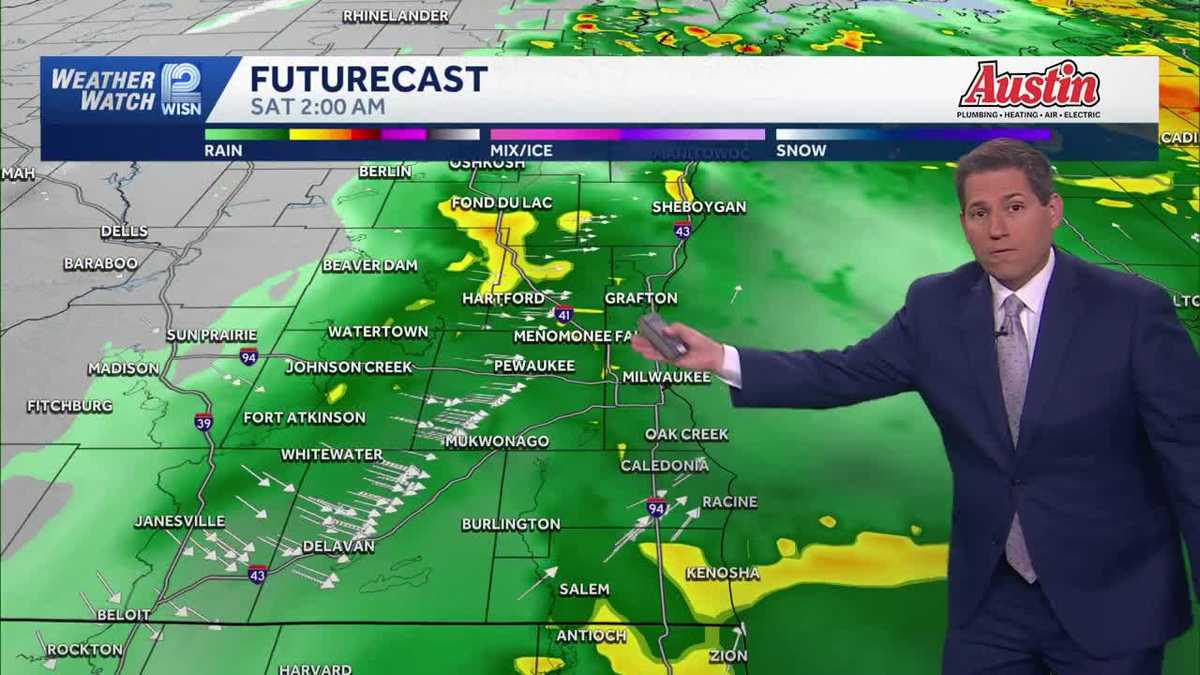
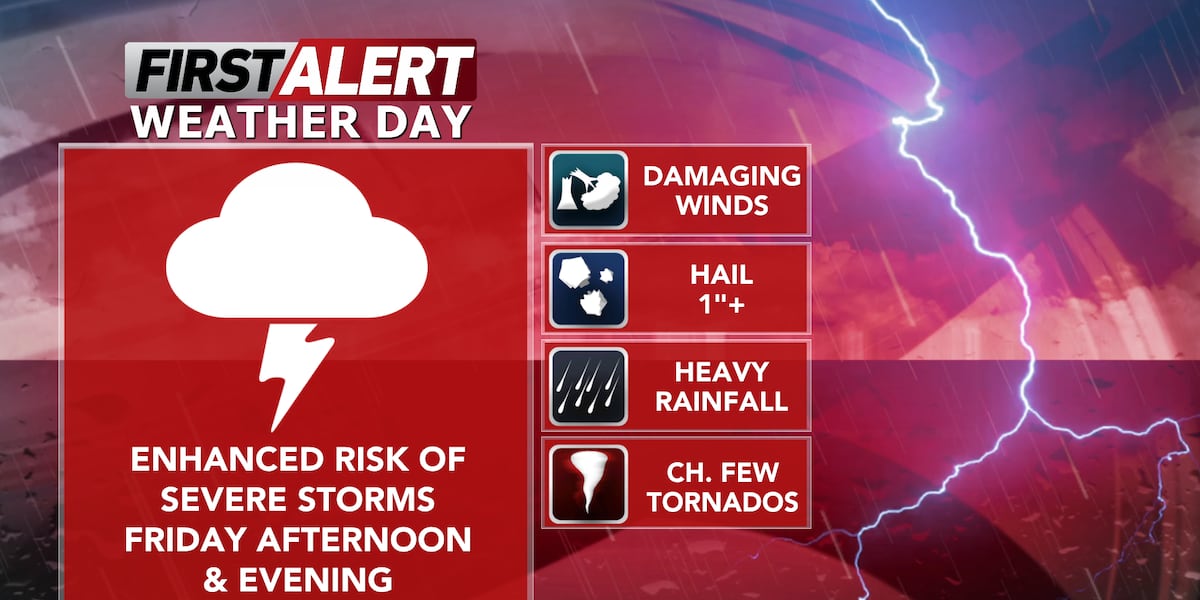
A significant severe weather event across central and southern Wisconsin has triggered a Tornado Watch, highlighting immediate operational risks for regional infrastructure and supply chains. The National Weather Service issued a Tornado Watch for central Wisconsin until 8 p.m., with a separate watch in effect for the southern portion of the state. The forecast indicates a high probability of severe thunderstorms capable of producing tornadoes, large hail, and damaging wind gusts exceeding 70 mph. This forecast, designated as a First Alert Weather Day and carrying a Level 2 and Level 3 risk designation from the Storm Prediction Center, signals a heightened state of preparedness for businesses, logistics operators, and public safety agencies.
Operational and Financial Exposure for Regional Stakeholders
The immediate threat profile necessitates preemptive operational adjustments for key economic sectors. The forecast for strong winds and potential tornadoes directly impacts transportation and logistics networks. Ground transportation, including trucking routes and rail freight, faces potential disruptions due to high winds and possible road closures from flooding. This creates bottlenecks in the movement of goods, affecting just-in-time supply chains for manufacturing and agricultural industries that rely on efficient regional transport. The concentration of risk in economic hubs like Dane County, Walworth County, and the Milwaukee-Kenosha corridor amplifies the potential financial impact.
The financial exposure extends significantly into the property and casualty insurance sector. The forecast explicitly mentions the potential for hail larger than an inch in diameter and numerous tornadoes, which are high-cost claim events. The cumulative damage profile from wind, hail, and ongoing flooding increases the likelihood of substantial claims for property damage, business interruption, and vehicle losses across multiple counties. Insurers operating in the region face heightened short-term capital exposure and potential long-term adjustments to risk modeling and premium structures. For agricultural stakeholders in Wisconsin, a state known for its dairy and crop production, severe weather events present immediate and long-term financial risks by devastating crops and saturating fields, impacting planting schedules and yield forecasts.
Infrastructure Resilience and Capital Allocation Challenges
The recurring nature of severe weather, noted in commentary on a “long month” of storms, highlights systemic challenges in infrastructure resilience. For utility providers, wind gusts exceeding 70 mph pose a significant threat to power transmission infrastructure. Downed power lines and substation damage can lead to widespread outages, impacting business continuity for commercial operations and critical services. Local governments and public works departments face increasing pressure to allocate capital toward infrastructure upgrades to mitigate future risks, particularly related to flood control and drainage systems. These investments are critical for maintaining economic stability and protecting public assets in high-risk areas.
The strategic response to these recurrent events requires a reevaluation of capital allocation priorities for both public and private entities. Utility companies must invest in grid hardening measures, such as undergrounding power lines or implementing advanced monitoring systems, to reduce vulnerability to high winds and lightning strikes. For businesses, this translates into increased operational expenditures for backup power generation, data redundancy, and enhanced physical security measures. These investments are necessary to maintain competitive operational continuity in a changing risk environment.
Stakeholder Coordination and Policy Implications
The coordination between state and local emergency management agencies, utility companies, and private sector stakeholders is essential for mitigating the consequences of severe weather. Alerts like “First Alert Weather Day” and “Impact Day” trigger specific protocols for public safety agencies and emergency management services. The focus on specific counties and timeframes allows for targeted resource deployment and preemptive measures, such as activating emergency operations centers and preparing for potential search and rescue operations. This coordination minimizes downtime and reduces the overall economic impact of the event.
The ongoing nature of these weather events raises broader policy questions regarding climate adaptation and infrastructure funding. The frequency and intensity of severe storms place a strain on municipal budgets and state resources. Policymakers face decisions regarding long-term investments in resilience projects, including upgrades to flood control infrastructure and enhanced building codes. These decisions impact long-term economic development and influence property values and insurance costs in high-risk zones, potentially altering investment patterns and development strategies in affected counties such as Walworth, Racine, and Kenosha.
Post-Event Recovery Challenges and Strategic Outlook
Recovery efforts are further complicated by rapid changes in atmospheric conditions. The forecast for a significant temperature drop following the storms requires flexible operational planning for cleanup and utility crews working to restore power. The pattern of severe weather in Wisconsin suggests a need for long-term strategic adjustments beyond immediate response protocols. Businesses operating in the region must integrate climate risk into their long-term planning, including supply chain diversification and investment in more resilient physical infrastructure. The financial markets, particularly insurance and reinsurance sectors, are closely monitoring these trends to adjust pricing models and capital reserves accordingly.