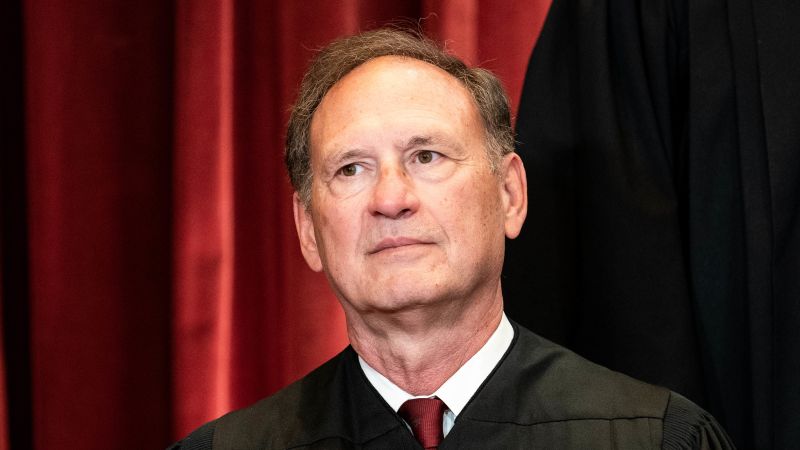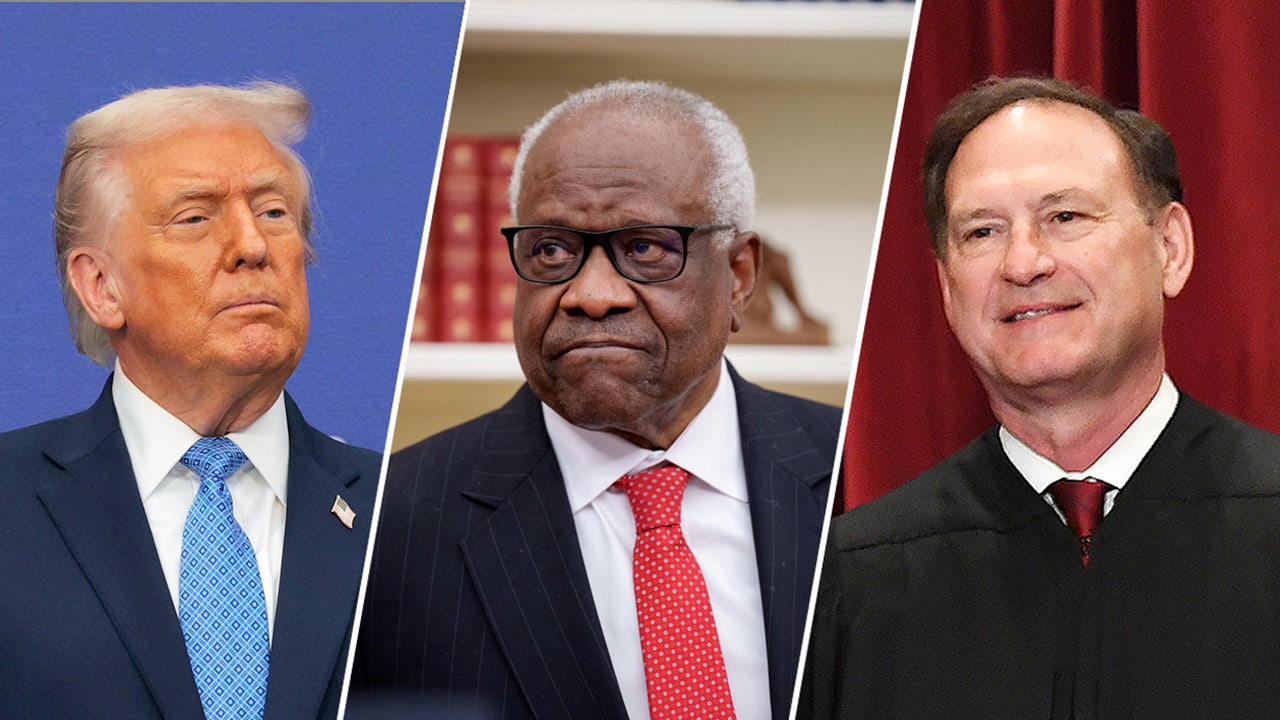
The executive branch has pivoted toward a model of ‘managed succession,’ transitioning the judicial appointment process from a reactive function to a proactive strategy of ideological consolidation. President Donald Trump’s recent public discourse regarding Justice Samuel Alito’s potential retirement underscores a sophisticated calculation of the actuarial and legislative windows required to secure long-term conservative influence. By framing these transitions as strategic imperatives rather than individual choices, the administration is treating the Supreme Court as a primary site of generational policy lock-in.
The ‘Ginsburg Precedent’ as a Strategic Corrective
Trump’s explicit critiques of the late Justice Ruth Bader Ginsburg’s refusal to retire during the Obama administration serve as the foundational logic for this new doctrine. Characterizing her decision as a strategic failure that ‘hurt’ her party, Trump is signaling to aging conservative jurists that institutional loyalty must supersede individual tenure. This approach views the timing of retirement as a political asset that must be liquidated while the White House and Senate maintain partisan alignment, effectively attempting to insulate the court’s majority from future electoral volatility.
Senate Readiness and the 2026 Midterm Deadline
The 2026 midterm elections represent a hard temporal constraint for the administration’s judicial ambitions. The potential loss of a Senate majority would effectively terminate the pipeline for high-level appointments. Senate Republican Leader John Thune’s assertion that the GOP is ‘prepared’ for immediate vacancies suggests that the legislative machinery—from vetting to floor scheduling—has been pre-cleared for maximum efficiency. This procedural optimization aims to mitigate the ‘lame duck’ risks and deter opposition strategies centered on delay.
Multi-Pick Pipeline and Shortlist Dynamics
The administration’s disclosure of a ‘multi-pick’ plan, potentially involving up to three seats, indicates the development of a strategic depth designed for various actuarial contingencies. By maintaining a pre-vetted shortlist, the executive branch provides institutional predictability for stakeholders, particularly in capital markets and regulatory sectors. This readiness reduces the post-vacancy uncertainty that typically triggers market volatility, ensuring that the transition toward a post-administrative state remains a structural transformation rather than a temporary policy shift.
Institutional Implications for Judicial Independence
The acceleration of this succession model carries profound implications for the Supreme Court’s internal culture. When retirements are tethered to legislative windows, the perception of the court shifts from an independent arbiter to a vehicle for durable policy control. For the Democratic opposition, this creates a reciprocal incentive to apply similar pressures on their own aging jurists, reinforcing a new norm where judicial seats are treated as temporary holdings to be transferred during periods of peak political leverage.
Conclusion: The Judiciary as a Stabilizing Asset
Ultimately, the administration is positioning the judiciary as a stabilizer for economic and regulatory policy, independent of the shorter executive and legislative cycles. The focus on Justice Alito and the coordination with Senate leadership represent a commitment to ensuring the current ideological majority remains a durable check on future administrations. As 2026 approaches, the urgency of this ‘managed succession’ model will likely define the political landscape, testing the limits of institutional coordination between the branches.