Strategic Game Design: Leveraging Complexity for Post-Launch Engagement
The introduction of highly complex, multi-stage challenges like “The Final Puzzle” in Resident Evil Requiem represents a deliberate strategic shift in content design for major intellectual properties. Unlike traditional linear puzzles, which primarily function as narrative gates, these convoluted challenges serve as powerful post-launch engagement mechanisms. By designing a puzzle that resists immediate solutions, developers extend the game’s relevance well beyond the initial sales window and standard completion metrics, effectively transforming a single asset into a long-term retention tool.
This approach leverages information asymmetry as a core design principle. The source data notes that the reward for “The Final Puzzle” remains unknown, and the game offers only vague hints, such as “Let the sweet pair hear the voice.” This calculated ambiguity stimulates speculation and collaboration among players, transforming a simple in-game task into a community-wide mystery. The resulting “race to solve” generates organic media coverage, maintains a sustained presence on social platforms and streaming services, and significantly reduces the need for costly post-launch marketing campaigns by outsourcing engagement to player-generated content (PGC).
Duality in Design: Balancing IP Continuity with Innovation
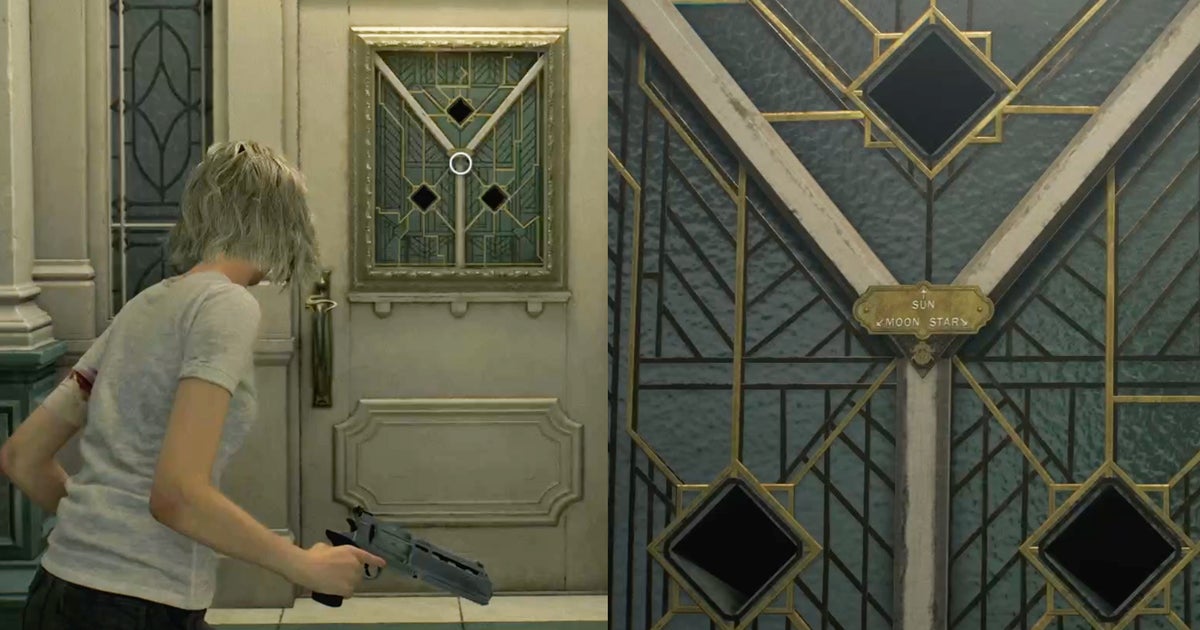
The game employs a strategic duality in its puzzle design to manage intellectual property (IP) continuity while innovating for modern audiences. The source data identifies two distinct puzzle archetypes: the “Moon, Sun, and Star puzzle” and “The Final Puzzle.” The former adheres to the classic Resident Evil formula, requiring players to find specific items—three Quartz pieces—in a central location like the Rhodes Hill Care Center. This type of environmental puzzle reinforces the survival horror identity, where resource management and exploration under pressure (e.g., evading enemies like “the Chef and Chunk”) are fundamental gameplay elements.
In contrast, “The Final Puzzle” represents a significant departure from this traditional formula. Its complexity transcends standard in-game progression and requires extensive meta-game knowledge and community collaboration. By juxtaposing a familiar puzzle experience with a challenge that pushes the boundaries of franchise design, developers create a product that appeals to both veteran players seeking nostalgic continuity and modern players demanding complex, long-form challenges. This layered approach ensures the game provides both immediate narrative satisfaction and long-term, high-stakes engagement.
The Economics of Completionism and Ecosystem Impact
The challenge system, including “The Final Puzzle,” contributes directly to a broader economic strategy centered on player retention and gamification. The source data mentions that completing the challenge adds “completion points” to the playthrough score. These points function as a non-monetary incentive system, leveraging psychological principles of reward and progression to maximize player time spent in the game. In an increasingly competitive market, high retention metrics are vital for long-term revenue generation through downloadable content (DLC) and microtransactions. The complexity ensures that achieving 100% completion is a significant investment of time, increasing the game’s overall value proposition.
Furthermore, this design decision creates a symbiotic relationship with third-party content creators and media ecosystems. The complexity of “The Final Puzzle” necessitates external resources for players seeking solutions, creating new revenue streams for media outlets and streamers. The mention of a “work-in-progress guide” by IGN underscores this dynamic. Content creators benefit from high search volume generated by players seeking solutions, while the publisher benefits from extended media coverage. This strategy effectively transforms the puzzle from a singular in-game obstacle into a long-term marketing asset, maintaining market visibility and driving continued sales long after launch.
Competitive Positioning and Market Differentiation
The source data’s assertion that “The Final Puzzle” is “more complex than anything seen in any other Resident Evil game to date” serves as a clear statement of competitive differentiation. In a market saturated with horror titles, developers must find ways to distinguish their products. By increasing the complexity of its challenges, Resident Evil Requiem positions itself as a premium product that respects player intelligence and offers a high level of difficulty for dedicated fans.
This strategic positioning targets a specific market segment: high-engagement players who value intellectual challenge and replayability over a straightforward narrative experience. The difficulty of the puzzle acts as both a barrier to entry for casual players and a strong draw for completionists. The resulting buzz and community-driven “race to solve” dynamic create a sense of urgency around the game’s launch, generating organic media attention that extends beyond traditional marketing campaigns and reinforces the game’s value proposition against competing titles.