Legal and Forensic Dimensions of the Tarzana Incident
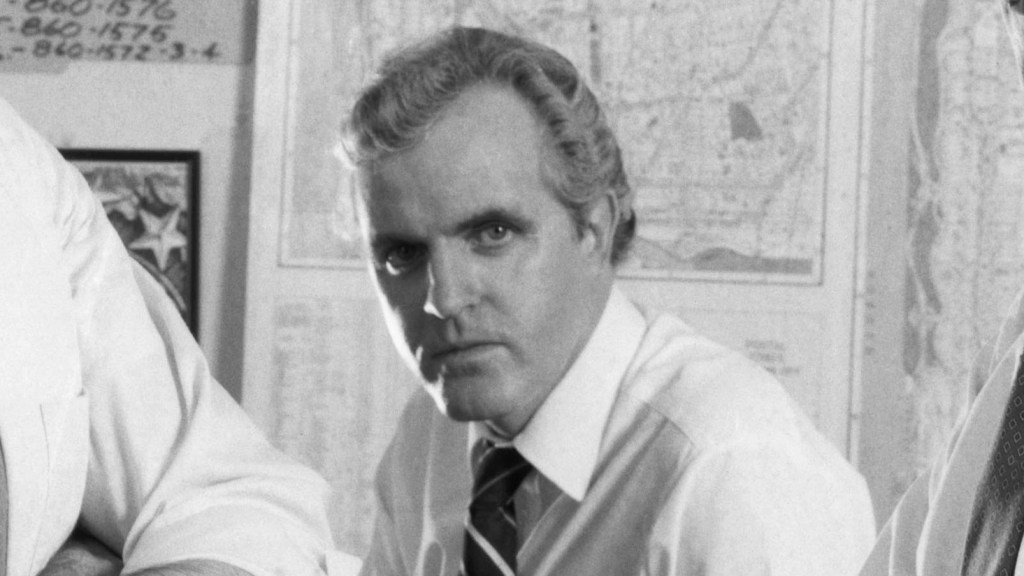
The fatal stabbing of veteran actor James Handy on June 3, 2026, within the Tarzana enclave of Los Angeles, transcends a standard criminal inquiry, presenting a complex intersection of domestic volatility and judicial scrutiny. Handy, 81, was a foundational figure in the American acting guild for nearly 50 years. His death, occurring at a residence in the 19200 block of Erwin Street, has triggered a rigorous investigation by the LAPD’s West Valley division, focusing on the immediate detention and subsequent prosecution of 44-year-old Michael Gledhill.
Psychiatric Rhetoric and Judicial Strategy
The apprehension of Gledhill, the son of Handy’s domestic partner, was precipitated by a 911 communication characterized by idiosyncratic religious markers. Gledhill’s self-identification as the ‘son of man’ and his labeling of the victim as the ‘man of sin’ introduce significant variables into the California judicial process. Such rhetoric necessitates a dual-track legal approach: the prosecution must establish mens rea and premeditation, while the defense is structurally incentivized to explore psychiatric mitigations, including diminished capacity or a plea of not guilty by reason of insanity. The $2 million bail set by the Los Angeles County District Attorney’s Office serves as a high-threshold deterrent, reflecting the perceived risk to public safety and the gravity of the intra-familial homicide charge.
Institutional Responses and Neighborhood Security
The LAPD’s classification of the homicide as an ‘isolated incident’ serves a dual purpose: mitigating public alarm in the affluent Tarzana district and signaling that the evidence—specifically Gledhill’s immediate surrender—points to a contained domestic crisis. This rapid containment allowed forensic teams to preserve the Erwin Street crime scene with high integrity. However, the involvement of Los Angeles Fire Department paramedics highlights the clinical challenges of geriatric trauma; despite an 09:30 response, the physiological vulnerability of an 81-year-old victim to penetrating chest trauma underscores a high mortality rate that dictates the swift transition from medical intervention to a homicide bureau investigation.
The Professional Legacy of a ‘Utility’ Tier Actor
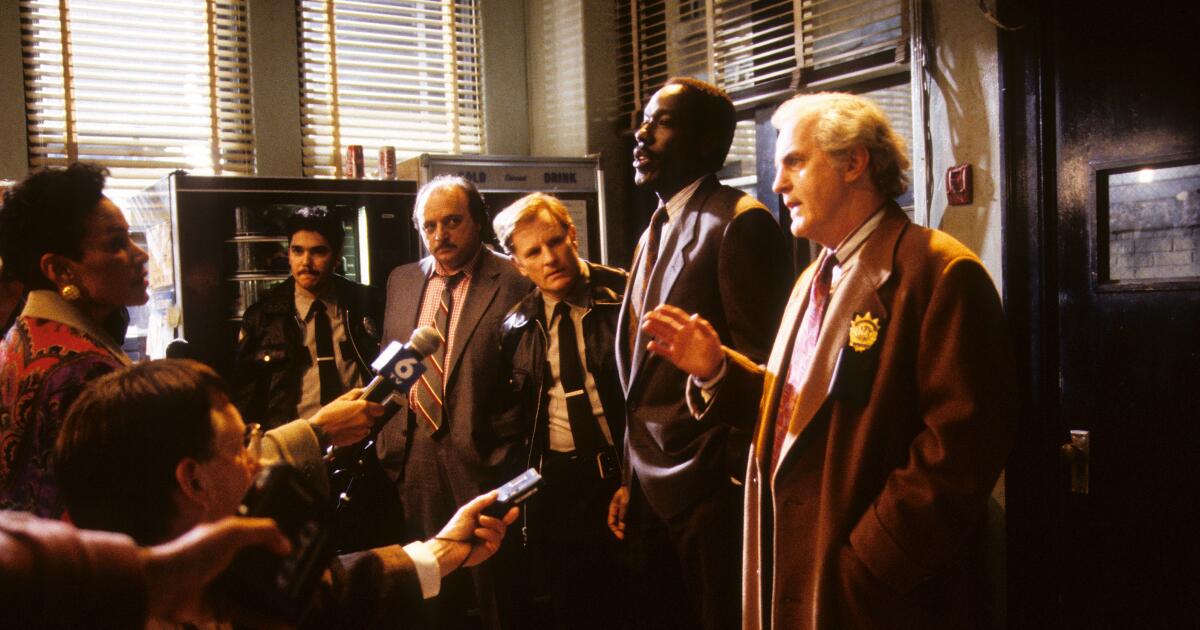
James Handy’s career provides a longitudinal study of the ‘character actor’ within the Hollywood ecosystem. Moving from his 1977 debut in ‘Ryan’s Hope’ to the 2022 blockbuster ‘Top Gun: Maverick,’ Handy functioned as a vital ‘utility player.’ This tier of talent is essential for the operational continuity of network procedurals like ‘NYPD Blue,’ ‘ER,’ and ‘Criminal Minds,’ where seasoned actors provide the narrative depth required to sustain multi-season arcs. His presence in high-concept films such as ‘Arachnophobia,’ ‘Jumanji,’ and ‘Logan’ solidified his status as an indispensable asset for casting directors seeking gravitational weight in supporting roles.
Economic and Trade Implications
The reporting of Handy’s death by institutional trades like Variety and The Hollywood Reporter serves as the official industry record, transitioning the event from a local tragedy to a loss of human capital within the SAG-AFTRA talent pool. For producers and casting agencies, Handy represented a reliable archetype—the authoritative figure or the grizzled veteran—whose absence leaves a specific void in the casting landscape. The confirmation by his representatives to The Los Angeles Times further formalizes this transition, embedding his death into the historical narrative of the film and television sector.
Sociological Context: Multi-Generational Stressors
The residence of the suspect with the victim and his mother highlights the socio-economic pressures inherent in high-cost urban environments like Los Angeles. Even in affluent neighborhoods, multi-generational living arrangements can become crucibles for psychological tension. The ‘son of man’ rhetoric utilized during the 911 call will likely trigger deep-dive investigations into Gledhill’s history of cognitive health, potentially exposing gaps in domestic support systems. As the case moves through the Los Angeles judicial system, the transparency of the competency evaluation phase will be critical for public trust and for providing a sense of closure to a community shaken by the loss of a respected artist.