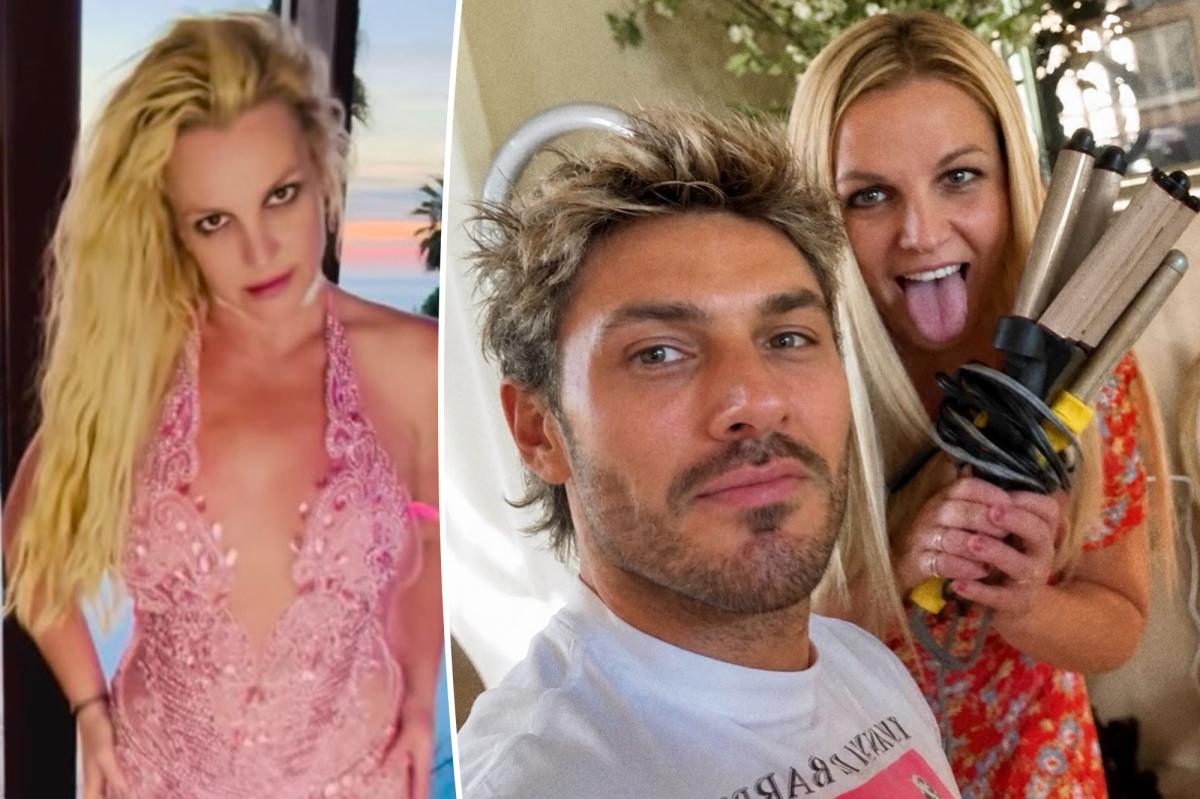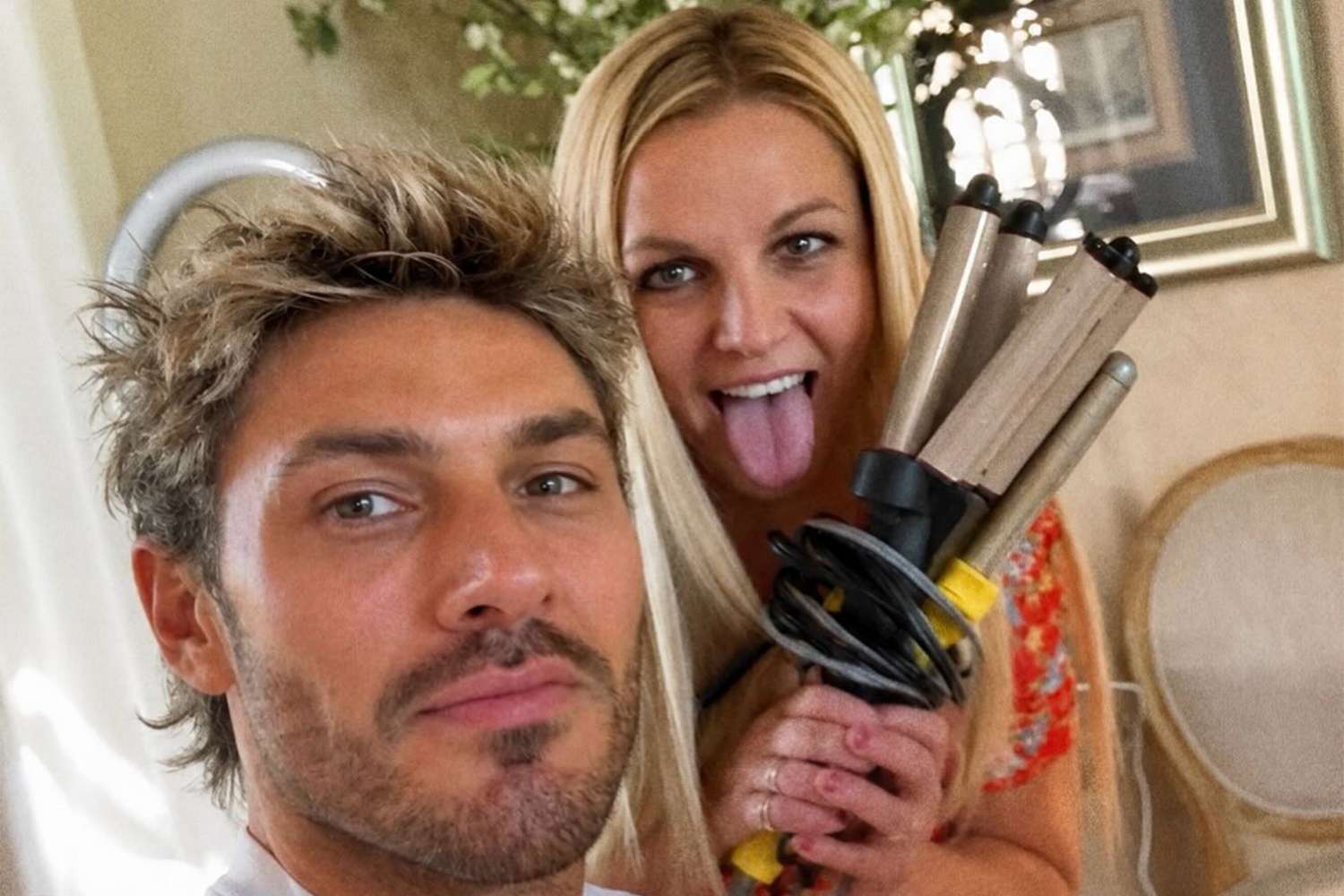
On June 1, 2026, a single social media asset marked a calculated recalibration of pop icon Britney Spears’ public-facing brand equity. The collaborative release, a candid photograph alongside elite hairstylist Chris Appleton, debuted a structured, straight aesthetic that systematically departs from the voluminous, wavy platinum blonde styling of her recent public profile. This visual transition serves as a high-visibility pivot point following a period of intense media scrutiny. Analyzed through corporate communications and asset management frameworks, this aesthetic shift functions as a sophisticated mechanism for narrative disintermediation and reputational rehabilitation.
The Financial Architecture of Elite Celebrity Styling
The Spears-Appleton alignment highlights the economic valuation concentrated within the luxury personal styling sector. Appleton, known for his long-term enterprise-level work with media mogul Kim Kardashian, belongs to a tier of elite stylists whose service fees command premiums of up to $200,000. This capital threshold demonstrates that high-end styling is a calculated corporate resource allocation designed to protect and compound a celebrity’s market value. Within this framework, the stylist acts as a specialized brand architect whose interventions directly manipulate consumer perception and commercial positioning.
For a legacy brand like Spears, this investment represents a strategic deployment of capital targeting high returns in cultural authority. By partnering with a stylist of Appleton’s caliber, Spears leverages his established association with high-gloss, premium aesthetics. This co-branding model allows both parties to mutualize their cultural equity, reinforcing their positions in a hyper-competitive entertainment economy where visual asset maintenance directly correlates with endorsement monetization and licensing viability.
Visual Semiotics and Crisis Mitigation
The transition from textured, organic volumes to a highly structured, straight hairstyle carries precise semiotic utility for crisis management. Prior to this reset, Spears’ brand had experienced severe downward pressure from negative press cycles, including a reported DUI arrest and subsequent rehabilitation stay. In the wake of such disruptive operational volatility, public figures frequently deploy physical transformations as non-verbal indicators of discipline, transition, and systemic alignment.
The entertainment industry historically utilizes the ‘makeover’ narrative as a structural tool to facilitate the rehabilitation of distressed public figures. By presenting an ultra-polished, modern aesthetic, Spears’ advisory team signals a decisive break from operational chaos. This visual positioning de-escalates negative media momentum, shifting the discourse from legal and personal vulnerabilities to discussions of taste, luxury, and professional execution. The aesthetic shift functions as a protective moat, preserving legacy brand value while paving the way for commercial reactivation.
Direct-to-Consumer Distribution and Narrative Control
The dissemination of this visual asset via an Instagram post on June 1, 2026, illustrates the modern reliance on direct-to-consumer (DTC) channels to bypass traditional media gatekeepers. By avoiding journalistic curation, Spears and Appleton retained complete control over the timing, context, and tone of the release. The image—featuring Spears playfully sticking her tongue out while holding flat irons—deliberately balances editorial polish with calculated authenticity, reducing the sterile distance often created by formal public relations statements.
Furthermore, DTC distribution allows for immediate monetization of consumer attention through organic digital engagement. The post functioned as an efficient marketing vehicle, generating global earned media value (EMV) without traditional promotional expenditures. In a digital economy where algorithmic impressions dictate brand leverage, the ability to command global media real estate through a single, self-curated image is a potent tool for narrative sovereignty.
The Nostalgia Economy and Cross-Generational Leverage
A key vector of this collaboration’s market resonance is the narrative of historical continuity detailed in Appleton’s caption. The 42-year-old stylist noted that growing up in England, Spears’ discography served as a foundational soundtrack to his formative years, framing the engagement as a ‘full-circle’ professional milestone. This deliberate appeal to nostalgia leverages a stable, high-yield asset class within the entertainment sector, bridging the gap between Spears’ historical peak as the ‘Princess of Pop’ and her contemporary status as a legacy cultural institution.
Nostalgia insulation protects the brand from contemporary market volatility by redirecting public focus from recent liabilities to a lifetime of historic market dominance. For Appleton, association with an iconic foundational figure solidifies his professional credentials, proving his capacity to shape the visual assets of the world’s most recognizable personal brands.
Strategic Alignment with Contemporary Media Networks
The selection of Chris Appleton carries structural advantages due to his integration within the Kardashian-Jenner brand ecosystem. As Kim Kardashian’s primary stylist, Appleton operates at the center of a sophisticated celebrity marketing engine characterized by digital dominance and seamless commercial execution. By accessing this creative pipeline, Spears aligns her brand with the dominant visual language of contemporary pop culture, modernizing her aesthetic to appeal to younger, digitally native consumer segments.
This partnership was not reactionary, but rather the execution of a long-term strategic objective. Appleton had publicly expressed his desire to collaborate with Spears as early as June 2025. The realization of this partnership one year later demonstrates systematic, long-range brand planning, proving that Spears’ management team is actively cultivating high-value professional relationships to rebuild her brand’s market influence.
Downstream Effects on the Beauty and Consumer Markets
Beyond immediate reputational benefits, this collaboration has clear downstream microeconomic implications for the global beauty and hair care sectors. The visible inclusion of professional styling tools in the photograph, backed by an elite stylist’s endorsement, acts as a primary demand driver. Historically, aesthetic pivots of this magnitude trigger immediate retail trends, boosting consumer search volume and sales velocity for corresponding product categories, including high-end flat irons and professional smoothing treatments.
This commercial transmission shows how celebrity brand assets serve as primary engines of consumer market innovation. Brands within the beauty sector track these high-profile resets to align their supply chains and marketing messaging with real-time demand. By setting a new visual benchmark, the Spears-Appleton collaboration generates organic commercial opportunities across global retail networks, reinforcing the systemic link between personal brand equity and consumer spending.
Analytical Synthesis
The visual realignment debuted on June 1, 2026, is a textbook synthesis of aesthetic modernization, capital allocation, and strategic crisis communication. By countering personal and legal vulnerabilities with a disciplined visual narrative, Spears’ team executed a highly effective reputational recovery play. This maneuver demonstrates that while visual aesthetics alone cannot resolve structural legal or personal crises, they are essential tools for reclaiming narrative control, stabilizing market value, and securing the long-term commercial viability of legacy intellectual property in a volatile global market.