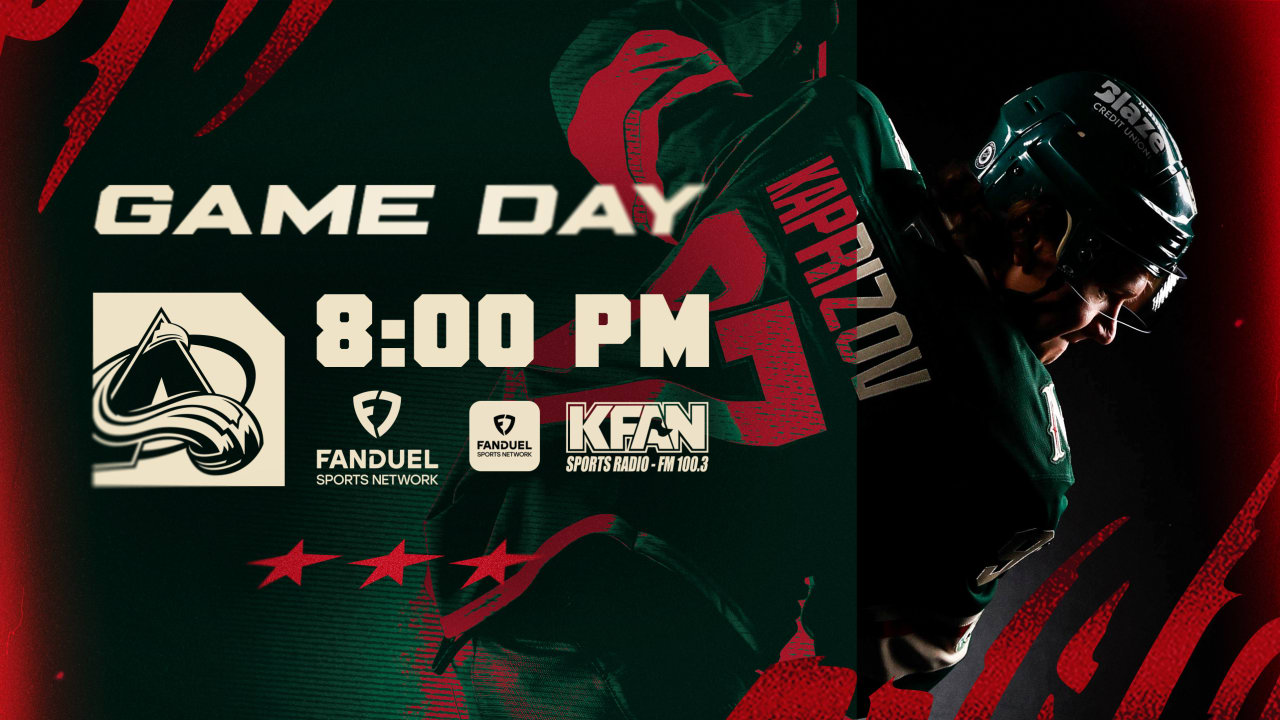
The Minnesota Wild have entered a high-stakes operational window, necessitating the rapid reintegration of three Olympic gold medalists—Matt Boldy, Brock Faber, and Quinn Hughes—into their active roster. Following a high-profile diplomatic itinerary that included a White House visit and the State of the Union address, the organization has pivoted from ceremonial duties to competitive recovery. To mitigate the physiological toll of international play and transcontinental travel, owner Craig Leipold deployed private aviation assets, a strategic use of organizational capital aimed at preserving the team’s competitive window against elite opposition.
Logistical Optimization and High-Leverage Workload
Coach John Hynes, leveraging his own experience on the U.S. Olympic staff, faces the immediate challenge of workload calibration. The transition from the Olympic gold-medal intensity to the rigors of the NHL regular season requires a data-driven approach to recovery. Hynes has prioritized immediate points over long-term load management, scheduling the returning core for back-to-back games against Colorado and the Utah Mammoth. This decision is informed by the players’ critical roles: Boldy provided the decisive regulation goal in the gold-medal final, while Faber remains a fixture in the top-four defensive rotation and primary penalty-kill unit.
Statistical Disparity and Possession Metrics
The matchup against the Colorado Avalanche highlights a stark contrast in structural discipline. Colorado leads the NHL with 3.84 goals per game and a defensive architecture allowing only 2.42 goals against. Minnesota’s path to an upset hinges on special teams specialization; their power play operates at a 25.4% efficiency rate, significantly outperforming Colorado’s 15.1%. However, the Avalanche’s 84.7% penalty kill serves as a formidable counter-measure. A primary area of exposure for the Wild remains the faceoff circle, where their 46.4% win rate trails Colorado’s 51.1%, potentially forcing Minnesota into a reactive defensive posture for extended stretches of play.
Roster Fluidity and Cap Management
Leading up to the February 26 encounter, the Wild front office executed six roster transactions in five days, reflecting a sophisticated approach to depth optimization. The rapid churn between the NHL roster and the Iowa Wild affiliate—including the multiple recalls of Matt Kiersted and the reassignment of David Špaček—illustrates a strategy of maintaining ‘fresh legs’ through the AHL pipeline. By cycling depth players like Ben Gleason and Boris Katchouk, the Wild are attempting to balance physical readiness with the administrative constraints of the NHL’s collective bargaining agreement, ensuring operational resilience during this condensed scheduling block.