The fixture between Elche C.F. and Atlético de Madrid at the Martínez Valero transcends the typical league cadence, emerging as a critical nexus of institutional survival and elite financial targets. For Atlético, the match necessitates an immediate structural recalibration following a psychologically taxing exit from the Copa del Rey. This transition from knockout intensity back to the league grind requires more than tactical shifts; it demands the strategic management of player assets to safeguard Champions League qualification revenue.
Diego Simeone’s reliance on the ‘intrinsic value of the colors’ serves as a psychological management tool to bridge the performance gap between recent cup failure and urgent domestic requirements. The decision to rotate the starting XI, leaving high-value assets on the bench, represents a calculated risk regarding physiological load management. This operational pivot acknowledges the diminishing returns of a congested calendar, prioritizing long-term squad durability over immediate tactical dominance.
Defensive Architecture: The Return of Jan Oblak
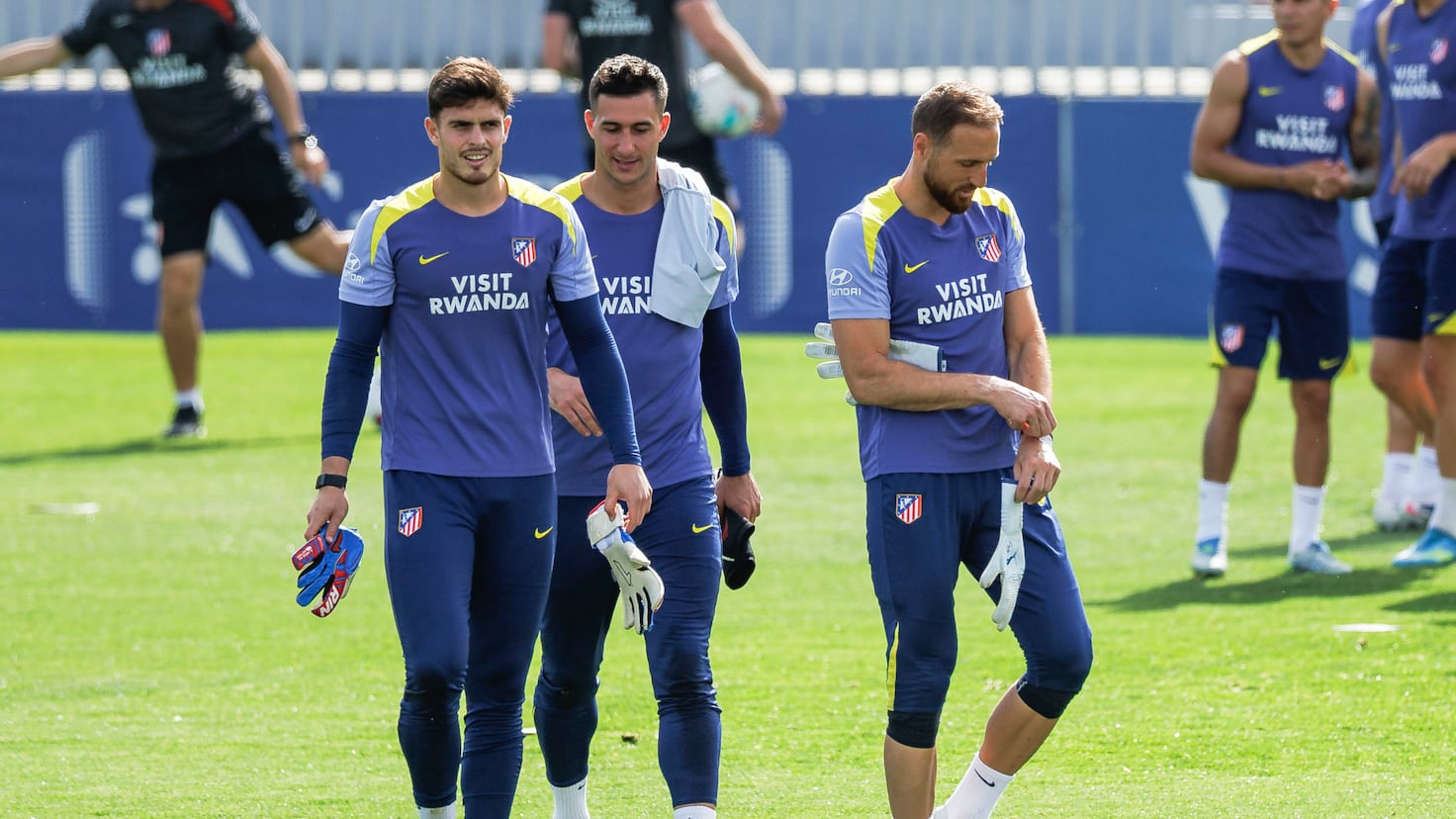
Jan Oblak’s reintroduction to the starting lineup following a muscular strain significantly alters Atlético’s defensive stability. While Juan Musso provided competent interim coverage, Oblak’s presence re-establishes a hierarchy defined by veteran leadership and historical performance leverage. His return acts as a psychological anchor for a backline that has recently displayed structural vulnerabilities under high-intensity pressure.
The immediate reinstatement of the Slovenian international reinforces Simeone’s philosophy that elite experience remains the primary currency in high-pressure environments. This hierarchy is not merely symbolic; it provides a foundational security that allows wing-backs like Nahuel Molina more freedom to transition, seeking a performance rebound after a period of tactical inconsistency.
Institutional Divorce: The Villarreal-Atlético Friction
The match is set against a backdrop of a total breakdown in institutional relations between Villarreal and Atlético de Madrid, triggered by the acquisition of a specific player from Murcia. This rupture serves as a case study in the fragility of domestic alliances within the Spanish ecosystem when scouting investments and youth development pathways are perceived to be circumvented.
The cessation of diplomatic ties creates structural barriers that complicate future transfer negotiations and scouting synergy. Such friction often results in increased market costs, as direct negotiations are replaced by hostile buyouts. For the player at the center of this controversy, the transition has resulted in an ‘untouchable’ status at Elche under Eder Sarabia, illustrating how institutional conflict can radically reshape individual career trajectories and market valuation.
Statistical Disruption: The OPTA Probability Shift
A striking analytical anomaly in this encounter is the statistical projection provided by OPTA’s AI, which assigns Elche a 41.4% probability of victory against Atlético’s 33.3%. This reversal of traditional power dynamics reflects the impact of home-field advantage and the ‘hangover effect’ of cup elimination on the visiting side. The data suggests that predictive models are increasingly weighing the physical and mental toll of mid-week travel and squad rotation.
For Atlético, being framed as the underdog by analytical models is a rare occurrence that underscores the current volatility of their campaign. This shift influences both market perception and tactical preparation; Elche enters the match emboldened by data-driven validation, while the 25.3% draw probability emphasizes the expectation of a contest decided by marginal gains and high-intensity defensive discipline.
Financial Stakes and Strategic Survival
The broader context remains the existential necessity for Atlético to secure top-four positioning to service its high wage bill and debt obligations. Conversely, for Elche, the financial stakes are grounded in top-flight survival; relegation would trigger a dramatic collapse in television rights and commercial valuation. This match is a theater where economic futures are contested through ninety minutes of physical endurance.
Ultimately, the Elche-Atlético encounter is a microcosm of the modern football economy—a collision of historical prestige, data-driven forecasting, and raw survival instinct. The result will resonate beyond the league table, influencing boardroom stability and summer transfer strategy for both institutions.