Swansea’s Unbeaten Run Continues After Strategic Stalemate with Wrexham
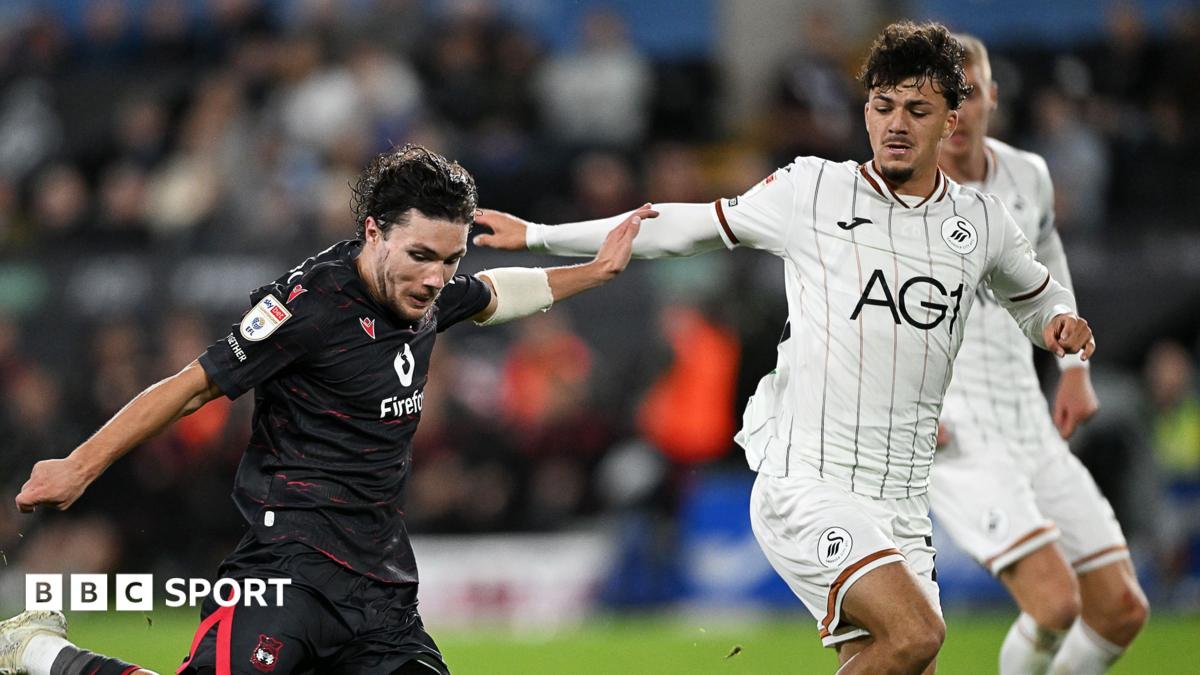
Swansea City preserved its undefeated start to the Championship season with a goalless draw against rivals Wrexham. This result, while halting Swansea’s winning momentum, offers significant strategic insights into both clubs’ current standing and future prospects.
Competitive Positioning and League Dynamics
The draw sees Swansea maintain its position at the top of the Championship table, extending its advantage by a point due to a superior goal difference. This is underpinned by a robust defensive performance, having conceded only one goal in five league fixtures. This defensive solidity, orchestrated by manager Vitor Matos, projects an image of stability and tactical discipline, crucial for sustained league challenge and potential promotion aspirations.
For Wrexham, securing a point against the league leaders is a notable achievement. It follows a midweek victory and demonstrates their growing competitive resilience. Facing a top-tier Championship side and limiting them to a draw indicates tactical preparedness and an ability to frustrate higher-ranked opponents, a key indicator of progress for the newly promoted club.
Tactical Execution and Strategic Approaches
Swansea’s offensive strategy, characterized by possession dominance, was met by a well-drilled Wrexham defense. The visitors successfully nullified Swansea’s attacking threats, forcing them into speculative efforts and limiting clear-cut chances. This highlights the challenge for possession-heavy teams against compact, defensively organized units.
Wrexham’s pragmatic approach focused on defensive organization and swift counter-attacks. While limited in possession, they created the game’s most significant scoring opportunities, demonstrating an effective strategy for capitalizing on transitions. This tactical discipline, particularly away from home, suggests a capacity to adapt game plans to suit opposition strengths.
The introduction of key attacking players like Zan Vipotnik for Swansea and the chances missed by Wrexham’s debutant Callum O’Hare and Max Cleworth underscore the fine margins in such contests. Converting pivotal moments is critical, especially when facing resolute defenses or when playing on the counter.
Financial and Commercial Ramifications
Swansea’s sustained high league position and unbeaten record enhance its commercial appeal. Strong on-pitch performance attracts sponsors, boosts broadcast revenue shares, and fuels fan engagement, leading to increased gate receipts and merchandise sales. A reputation for defensive strength further solidifies its brand as a well-managed club.
Wrexham’s ability to compete effectively against promotion favorites bolsters its marketability. Positive results and credible performances, even in draws, enhance media coverage and attract potential commercial partners. This builds a resilient brand image, vital for clubs seeking to establish themselves in competitive leagues.
The regional rivalry inherent in the Welsh derby amplifies its commercial significance. High-profile fixtures drive ticket sales and media interest, generating direct revenue streams. Preserving a positive result avoids a downturn in fan enthusiasm and commercial momentum.
Operational and Squad Management Insights
Swansea’s continuous strong performance indicates effective squad rotation and fitness management. Maintaining peak condition across a demanding schedule, including upcoming fixtures against strong opposition like Southampton, reflects a mature operational infrastructure.
The team’s apparent frustration with a draw, despite leading the league, signals a high internal performance benchmark and a commitment to continuous improvement. This operational drive prevents complacency and reinforces the pursuit of maximum points.
Wrexham’s tactical flexibility in stifling Swansea highlights the importance of adaptable game plans. Such operational agility is essential for navigating the Championship’s diverse challenges, particularly for teams aiming for consolidation.
The missed scoring opportunities offer valuable operational feedback for Wrexham’s coaching staff, emphasizing the need for clinical finishing practice to convert offensive transitions into goals.
Stakeholder Impact and Institutional Narrative
For Swansea City’s ownership and management, the draw validates strategic investments in squad and coaching staff, reinforcing confidence for future development and potential promotion bids. The club’s strong league standing underpins its institutional narrative.
Fan engagement remains high for Swansea, buoyed by the unbeaten streak. Wrexham fans gain confidence from their team’s competitive performance against a league leader, fostering anticipation for future encounters and strengthening their club’s institutional relevance.
The derby’s visibility enhances the media profile of both clubs, attracting broader football attention and potential commercial opportunities. High-stakes matches offer players significant professional development and exposure, influencing career trajectories and market values.
The draw contributes to the Championship’s competitive narrative, with Swansea maintaining its lead and Wrexham signaling its intent to compete. This dynamic makes the promotion race more engaging for all stakeholders within the English football pyramid, where every point is strategically vital.