Supreme Court Affirms FCC’s Enforcement Authority, Redefining Data Privacy Compliance for Telecom
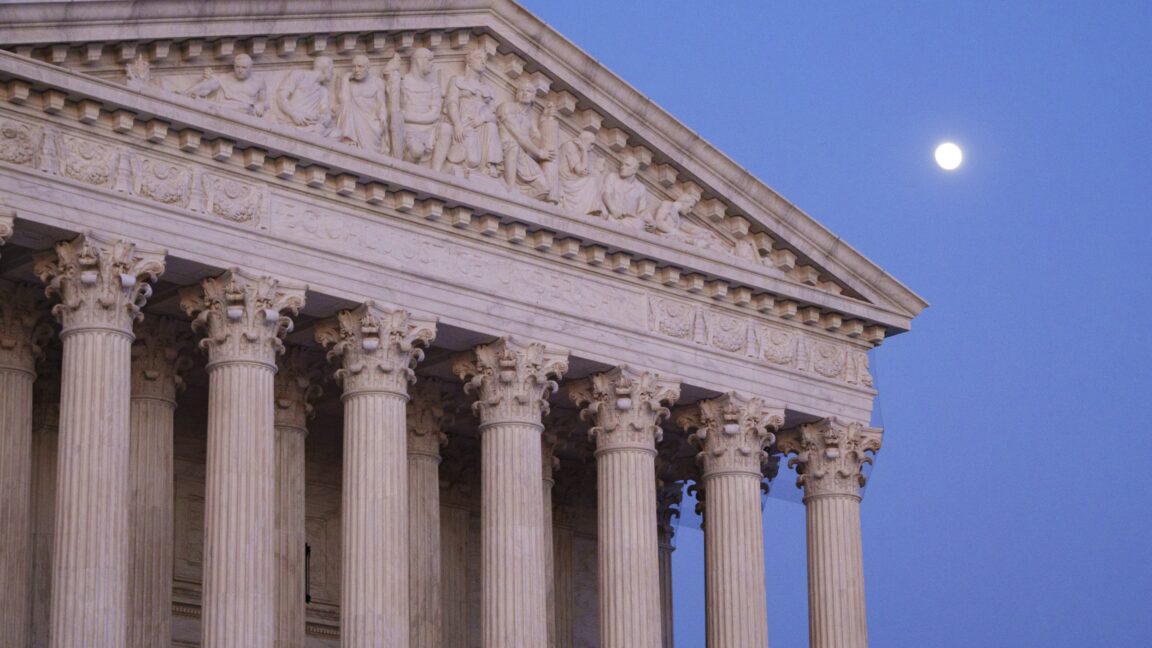
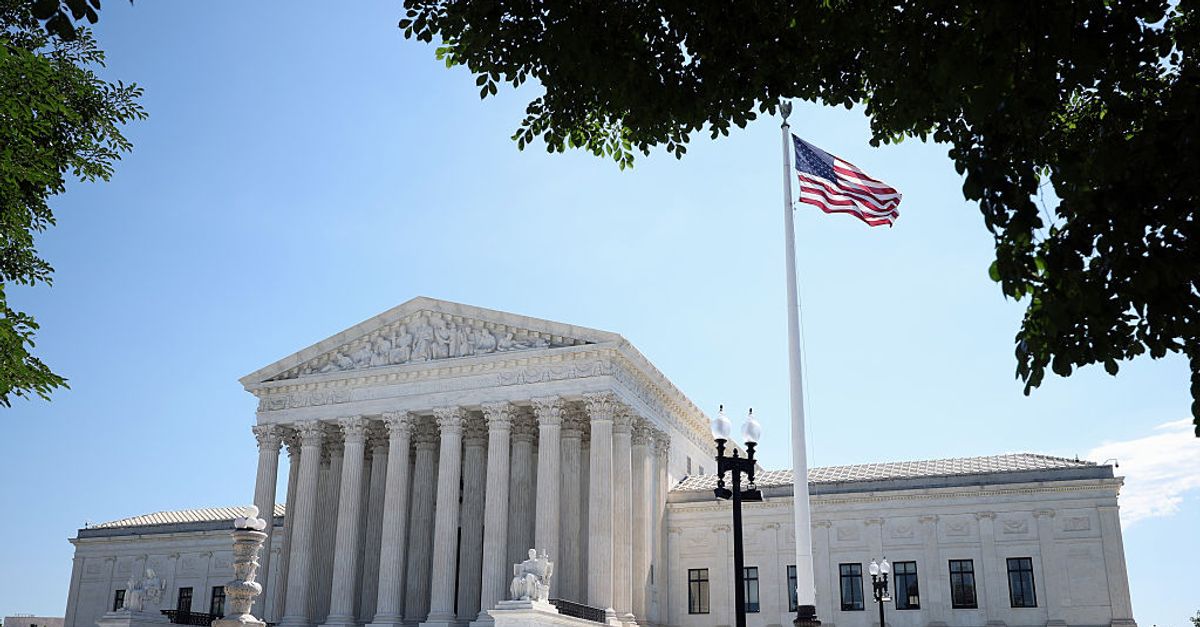
The U.S. Supreme Court, in an 8-1 decision with Justice Clarence Thomas dissenting, has decisively upheld the Federal Communications Commission’s (FCC) authority to impose civil penalties on telecommunications carriers. This landmark ruling rejects challenges from AT&T and Verizon, affirming the FCC’s procedural framework for issuing liability orders and mandating penalty payments without automatically granting a jury trial under the Seventh Amendment. The judgment solidifies the FCC’s administrative enforcement capabilities, establishing a crucial precedent within administrative law for how federal agencies can ensure regulatory compliance amidst rapid technological advancement and intricate data governance issues, particularly concerning consumer location data.
Judicial Precedent and Procedural Options Clear
Central to the carriers’ challenge was the Seventh Amendment right to a jury trial. The Supreme Court clarified the strategic options available to regulated entities: they can pursue review in a federal appeals court under a deferential standard, or they can refuse to pay the fine, compelling the Department of Justice (DOJ) to initiate a lawsuit that would then afford a jury trial. This distinction resolves a significant circuit split, where the 5th Circuit had previously sided with AT&T in overturning its fine, while the 2nd Circuit upheld Verizon’s. Chief Justice John Roberts’ majority opinion emphasized this choice, affirming that a jury trial remains accessible via a specific procedural path, thus balancing governmental efficiency in administrative enforcement with constitutional due process guarantees. This resolution ensures uniformity in federal law application, removing legal uncertainty for telecommunications providers nationwide.
Industry Impact: Financial Imperatives, Governance, and Compliance
The ruling directly impacts the operational risk profiles and financial planning of telecommunications providers. The specific penalties levied against AT&T ($57 million) and Verizon ($47 million) for mishandling confidential customer location data, initially revealed in 2018 and affirmed in 2024, underscore the substantial financial consequences of regulatory non-compliance. This extended timeline from violation discovery to judicial affirmation necessitates robust, long-term legal and compliance strategies. For corporate boards and executive leadership, the decision demands a re-evaluation of internal governance structures, pushing beyond mere technical compliance to proactive risk management. Effective governance now requires not only stringent data protection protocols but also clear decision-making frameworks for navigating regulatory enforcement actions, treating the choice between an appeals court challenge and a jury trial as a high-level strategic imperative. This enhanced regulatory clarity is expected to drive further industry investment in advanced compliance technologies, employee training, and internal audit functions focused on data privacy and security, potentially shifting the competitive landscape to favor firms with superior compliance infrastructure. While immediate financial impacts are absorbed, the long-term market response will reflect how effectively the industry adapts, with investors favoring regulatory certainty and robust risk mitigation.
Broader Regulatory Landscape, Data Privacy, and Future Scrutiny
Beyond the immediate sector, this Supreme Court decision significantly strengthens the regulatory framework for consumer data privacy. The underlying violations—mishandling and unauthorized sale of real-time location data—highlight persistent challenges in the digital economy, with the substantial fines serving as a clear deterrent against similar practices across industries. This outcome reinforces the FCC’s mandate to protect sensitive personal information, empowering consumer advocacy groups and potentially influencing future legislative efforts towards more stringent safeguards. Furthermore, the ruling sets a crucial precedent for other federal agencies, such as the Federal Trade Commission (FTC), Securities and Exchange Commission (SEC), and Environmental Protection Agency (EPA), which employ comparable administrative enforcement mechanisms. The Court’s affirmation provides a blueprint for how these agencies can structure their actions to withstand constitutional challenges, enhancing the overall efficacy of the U.S. administrative state. As technology rapidly advances with 5G, IoT, and AI, increasing the volume and sensitivity of consumer data, this judgment establishes a firm foundation for continued regulatory oversight. Companies developing new data-intensive services must meticulously consider the implications for their compliance frameworks, anticipating heightened scrutiny and evolving regulatory demands.