Strategic Architecture: The FX5 Market Calibration
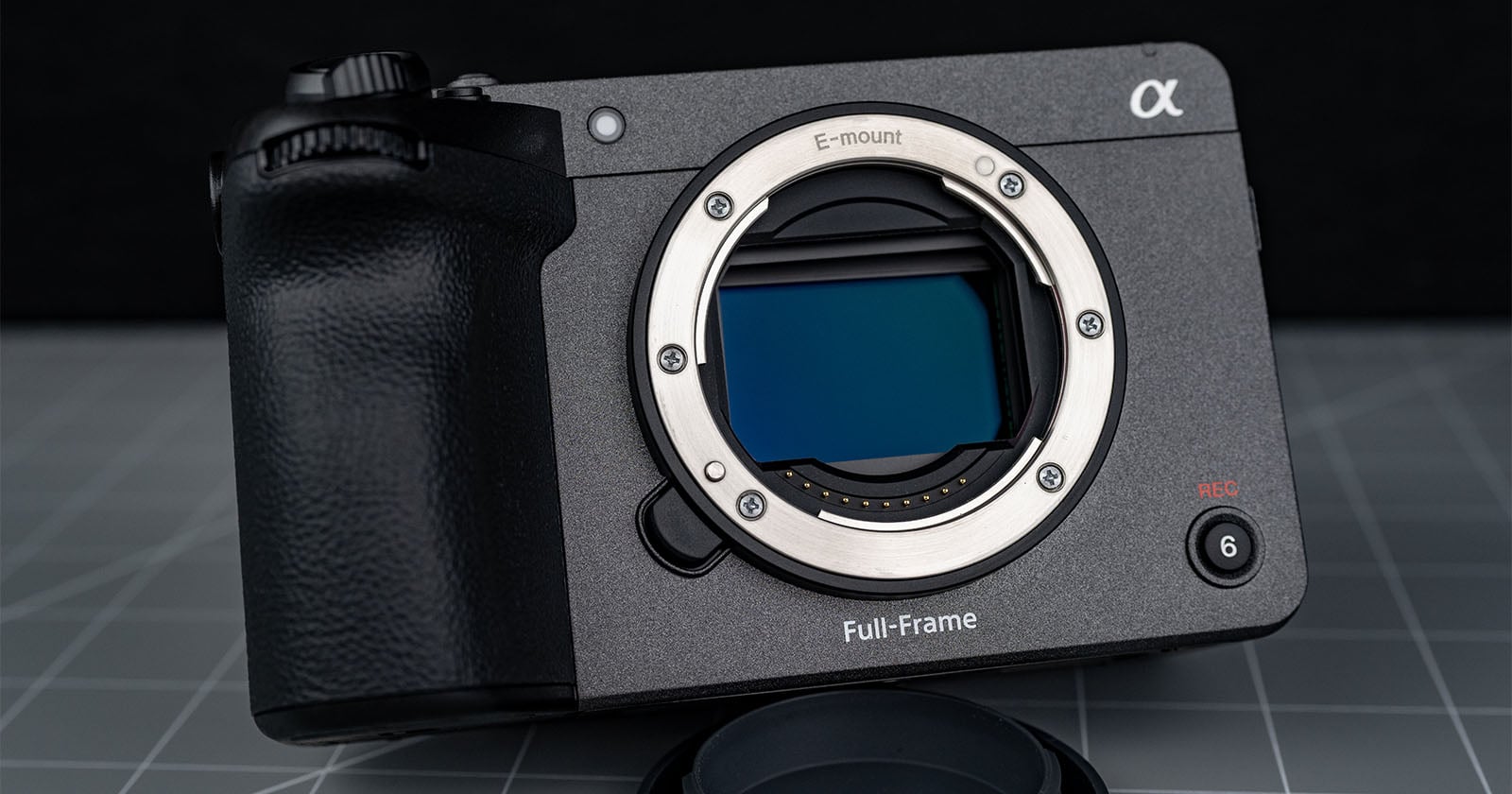
The Sony FX5 emerges as a calculated structural intervention within the Cinema Line, engineered to resolve the operational tension between the FX3’s mobility and the FX6’s broadcast utility. By integrating a 16.6-megapixel fully stacked full-frame Exmor RS sensor, Sony prioritizes high-velocity data readout and negligible rolling shutter—technical benchmarks essential for computational cinematography. This hardware choice, powered by the Bionz XR2 processor, signals a pivot toward specialized imaging pipelines that migrate high-tier performance into a handheld form factor.
Analyzing the sensor’s 16.6MP resolution suggests a refined manufacturing strategy focused on sensor binning and production efficiency. By diverging from the high-resolution hybrid requirements of the Alpha series, the FX5 optimizes signal-to-noise ratios specifically for 4K and 5K acquisition. This specialization eliminates the thermal and processing bottlenecks inherent in multi-purpose systems, providing professional stakeholders with a dedicated tool that prioritizes data integrity over broad consumer utility.
Codec Democratization: Internal 16-bit RAW
The most significant disruption introduced by the FX5 is the inclusion of internal 16-bit RAW recording via X-OCN LT, C1, and C2 formats. Previously, these high-fidelity codecs were gatekept within the Venice ecosystem or required external AXS-R7 recorders. By embedding these capabilities into a 750-gram body, Sony effectively collapses the financial and logistical barriers to entry for high-dynamic-range (HDR) mastering. This shift allows independent productions to access 16 stops of dynamic range without the bulk of external recorders, which often introduce additional points of failure.
Operational Trade-offs and Modular Ergonomics
The FX5’s physical footprint reflects a compromise between thermal management and portability. A 1cm increase in chassis depth compared to the FX3 accommodates the cooling requirements of the stacked sensor and high-bitrate internal recording. Notably, the omission of internal ND filters appears to be a strategic weight-saving measure, reinforcing the camera’s role as a gimbal-optimized and drone-compatible unit where external filtration is the industry standard. The modular €799 external EVF further emphasizes this design philosophy, allowing operators to scale the rig based on specific environmental demands.
Performance Benchmarks: Triple Base ISO and 5K Open Gate
The implementation of a Triple Base ISO (800, 4000, 12800) provides a sophisticated gain-stage architecture that ensures clean signal acquisition across diverse lighting environments. This makes the FX5 a potent tool for documentary and news-gathering sectors where light control is often impossible. Furthermore, the 5K Open Gate 3:2 recording capability addresses the multi-platform content landscape, allowing for high-resolution vertical and widescreen extractions from a single sensor capture, thereby streamlining agency deliverables.
Institutional Impact and Economic Positioning
Priced at approximately €5,399, the FX5 creates a new entry point for the professional rental market, functioning as a high-fidelity B-cam or C-cam that seamlessly matches the color science of the Venice 2. The removal of a dedicated photo mode further clarifies its institutional identity as a pure cinema instrument, reducing software complexity and enhancing OS stability. By utilizing Alpha-series power infrastructure and dual CFexpress Type A slots, Sony ensures ecosystem cohesion, lowering the total cost of ownership for production houses already invested in the Sony framework.