Richards’ Ankle Injury: A Critical Blow to USMNT’s World Cup Defensive Strategy
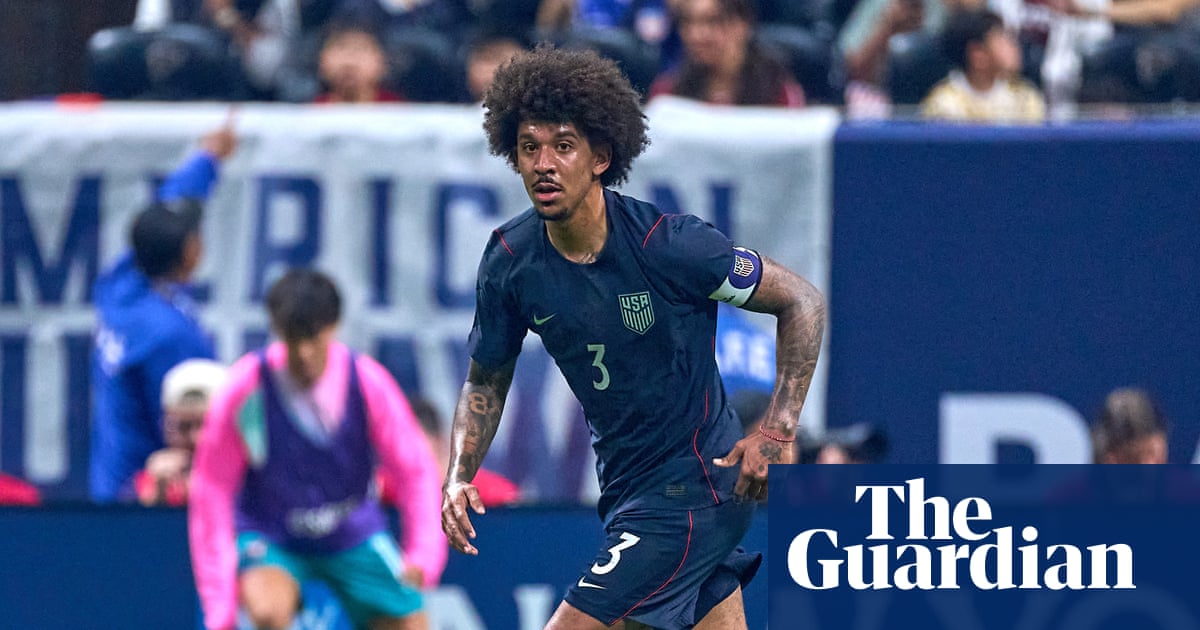
Chris Richards’ torn ankle ligament has cast a significant shadow over the United States Men’s National Team’s final World Cup preparations, directly impacting head coach Mauricio Pochettino’s strategic options and defensive depth. This injury, sidelining a key central defender, forces an urgent re-evaluation of tactical planning and player selection ahead of the crucial tournament, presenting a complex challenge for the USMNT’s aspirations.
The Injury’s Immediate Impact and Player Status
Richards sustained a torn ligament in his ankle during Crystal Palace’s penultimate Premier League fixture against Brentford. This severe injury subsequently ruled him out of the club’s season finale against Arsenal and, notably, the UEFA Conference League final. While initial hopes from Crystal Palace manager Oliver Glasner had suggested a quicker return, the current reality confirms a starkly different outlook.
Pochettino has unequivocally stated Richards is “still not ready to compete and play,” confirming his absence from the USMNT’s vital World Cup tune-up against Germany. This missed opportunity to integrate with the team, fine-tune chemistry, and test defensive strategies against top-tier opposition creates an immediate void in the team’s backline and disrupts critical pre-tournament cohesion.
Strategic Repercussions and Defensive Rethink for Pochettino
The uncertainty surrounding Richards’ fitness directly translates into a significant strategic dilemma for Pochettino. As a player with considerable Premier League experience and a proven track record, his potential absence necessitates a comprehensive reassessment of central defensive pairings and formations. This situation exposes potential vulnerabilities in the USMNT’s defensive solidity, demanding enhanced tactical flexibility from the squad.
Furthermore, Richards’ setback creates a high-stakes opportunity for other USMNT defenders. Their performances in the Germany friendly and subsequent training will be under intense scrutiny, as they vie to demonstrate their capability to fill a critical role at the World Cup. Pochettino must now weigh established partnerships against the potential of emerging talents, all while maintaining the team’s structural integrity.
Broader Dynamics: Club-Country Tension and Player Welfare
Richards’ injury, sustained during club duties, starkly illustrates the perennial tension between club commitments and national team aspirations. The timing, so close to a major international tournament, amplifies concerns about player welfare amidst demanding league schedules. The severity of the injury, which caused him to miss a European final, underscores the physical toll on elite athletes.
The USMNT’s medical staff faces the delicate task of assessing not only the healing of the torn ligament but also Richards’ overall match fitness and readiness to withstand the rigorous physical demands of World Cup competition. Pochettino’s decision to rule him out of the Germany friendly, despite potential progress, reflects a pragmatic and cautious approach, prioritizing the player’s long-term health and maximizing his potential availability for the tournament itself.
Economic and Career Trajectory Implications
For Crystal Palace, Richards’ absence from key competitive matches, including a European final, carries tangible implications for their competitive ambitions and potential financial gains. From a player perspective, a prolonged absence or compromised performance at the World Cup due to injury could impact Richards’ market value, perceived reliability, and long-term career trajectory among scouts and potential future employers.
For the US Soccer Federation, the investment in developing high-caliber players like Richards is substantial. His potential unavailability represents a temporary setback in maximizing the return on that investment on the global stage, affecting the team’s overall competitive leverage and visibility.
Media Narrative, Public Perception, and Institutional Readiness
The narrative surrounding Richards’ injury and his World Cup prospects will significantly shape public perception and media discourse for the USMNT. While reports from national teammates like Weston McKennie have offered cautious optimism, definitive clearance for competitive play remains elusive, creating a storyline of hope tempered by uncertainty.
This situation also highlights the critical role of medical transparency and efficient information flow between clubs and national federations. The US Soccer Federation’s institutional readiness, including its medical support systems and communication protocols, is continuously tested by such high-profile player injuries, influencing confidence among players, staff, and the broader soccer community.
Navigating Uncertainty: USMNT’s Path to the World Cup
The situation surrounding Chris Richards’ ankle injury presents a multifaceted challenge for the USMNT. It underscores the inherent unpredictability of elite sports and the critical importance of player availability. Pochettino and his staff must swiftly adapt their tactical plans, rigorously assess the readiness of their entire defensive unit, and foster collective resilience.
As the team approaches its final preparations, the focus remains on meticulously managing player health, optimizing performance with available resources, and cultivating a cohesive unit capable of navigating disruptions. The coming days will be paramount in determining Richards’ World Cup fate and, by extension, a crucial aspect of the USMNT’s strategic blueprint for the upcoming FIFA World Cup.